
Project management combines processes, methods, skills and experience to achieve defined objectives within agreed constraints. Unlike ongoing operational management, projects have a specific purpose, a defined lifecycle and an expected outcome.
Senior executives do not need to be project-management specialists. However, many leadership roles require the ability to prioritise initiatives, allocate resources, manage risk, align stakeholders and determine whether major projects are actually delivering the value expected from them.
This becomes particularly important in organizations managing multiple strategic initiatives simultaneously, where responsibility for project performance may eventually justify the creation of a dedicated Chief Project Officer (CPO) role.
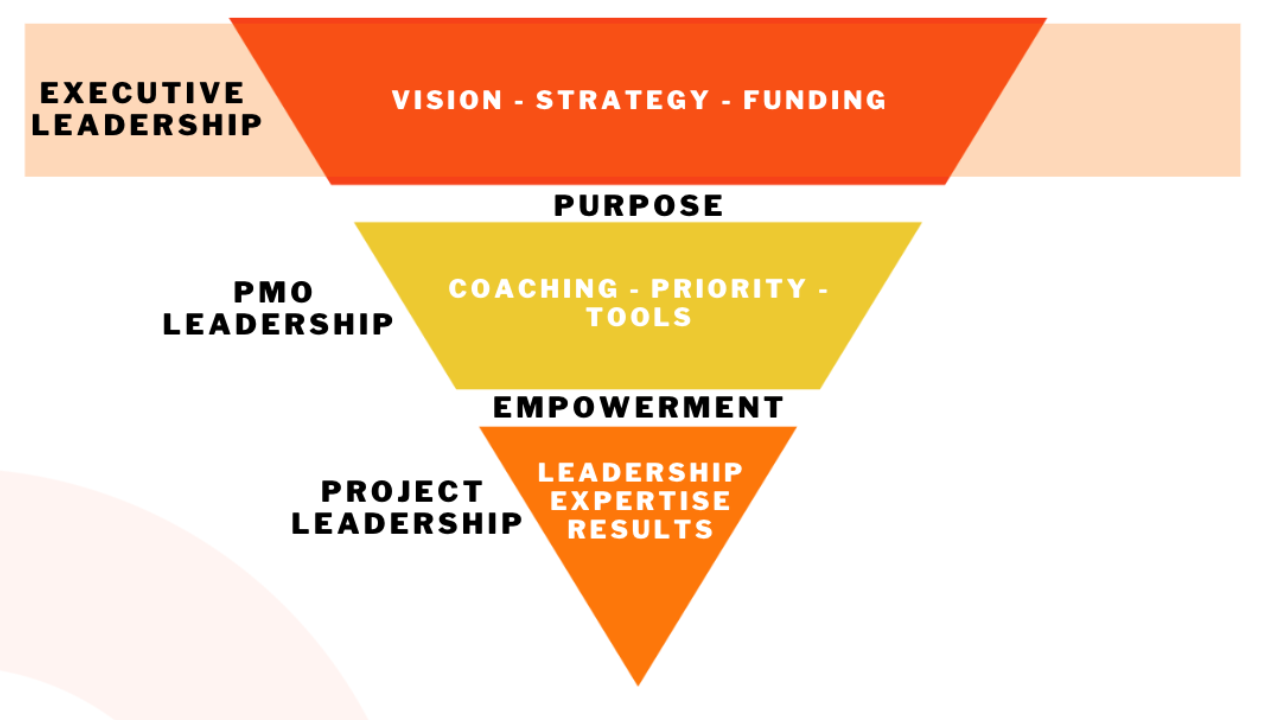
Why Project Management Skills Matter for Executives
Project leadership is increasingly connected to strategic execution. Companies may simultaneously be implementing technology, entering new markets, integrating acquisitions, redesigning operations, launching products or responding to regulatory change.
Each initiative competes for management attention, budget and talent. The executive challenge is therefore not simply ensuring that individual projects progress. Leaders need to determine which projects deserve resources, how they contribute to business priorities and when an initiative should be changed or discontinued.
The Project Management Institute’s Pulse of the Profession 2024 reported an average project performance rate of 73.8% across respondents. Organizations providing three or more project-support enablers, such as mentoring, training and communities of practice, achieved project performance approximately 8.3 percentage points higher than organizations offering none.
Source: Project Management Institute, Pulse of the Profession 2024: The Future of Project Work.
However, project performance should not be measured only through traditional delivery metrics. PMI’s broader research into project success argues that organizations also need to examine whether the initiative generated value that justified its effort and expense.
Using this broader definition of value + execution, PMI found that 48% of projects in its global research were considered successful, 40% fell between clear success and failure, and 12% were considered failures.
Source: Project Management Institute, Maximizing Project Success.
Key Project Management Competencies for Executive Leaders
1. Strategic Alignment
Executives should understand why a project exists and how it contributes to the organization’s wider strategy. Projects that consume resources without a clear connection to strategic priorities can create complexity without generating sufficient value.
2. Value Orientation
Time, budget and scope remain important, but executive leaders should also understand the business value an initiative is expected to create. A technically well-managed project can still represent a poor investment if the final outcome does not support the organization’s objectives.
3. Resource Allocation
Organizations rarely have unlimited capital, talent or management capacity. Executive project leadership therefore involves making trade-offs between initiatives and ensuring that critical projects have sufficient resources to succeed.
4. Effective Communication and Stakeholder Management
Strategic projects usually involve several functions and stakeholder groups. Executives need to establish clear accountability, communicate priorities and resolve conflicts when different teams have competing objectives.
5. Risk Management
Project leadership requires identifying material risks early, understanding their potential business consequences and deciding whether to mitigate, accept or redesign the initiative in response.
6. Adaptability
The strongest methodology is not necessarily the same for every project. PMI’s 2024 research found that predictive, agile and hybrid approaches can achieve similar levels of performance when organizations choose an approach suited to the project’s circumstances.
Source: Project Management Institute, Pulse of the Profession 2024.
7. Decision-Making and Governance
Executives must be prepared to make decisions when projects move away from their original assumptions. This can include reallocating resources, changing scope, delaying an initiative or stopping a project whose expected value no longer justifies continued investment.
What Is a Chief Project Officer?
A Chief Project Officer (CPO) is an executive responsible for providing strategic oversight of an organization’s project portfolio.
The role goes beyond managing individual projects or operating a traditional Project Management Office. A Chief Project Officer can help connect business strategy with portfolio decisions, establish governance, prioritise investments and ensure that major initiatives remain aligned with organizational objectives.
The Project Management Institute describes the CPO role as particularly relevant in organizations that are global, enterprise-oriented, multidisciplinary and responsible for delivering multiple complex projects. Responsibilities can include:
- Participating in business decisions that lead to new projects.
- Strategic project and portfolio planning.
- Prioritising initiatives and negotiating resources.
- Overseeing implementation of strategic projects.
- Establishing enterprise-wide project-management systems and governance.
- Developing project-management capability across the organization.
- Reviewing project performance and determining when projects should be changed or discontinued.
Source: Project Management Institute, Introducing the Chief Project Officer.
When Does a Company Need a Chief Project Officer?
Not every organization requires a dedicated Chief Project Officer.
In many companies, responsibility for project portfolios can remain distributed among the CEO, COO, business-unit leaders and an established PMO. Creating another C-suite position only makes sense when the scale or strategic importance of project activity justifies centralized executive accountability.
A dedicated CPO may become relevant when an organization:
- Runs a large portfolio of strategic projects simultaneously.
- Operates across multiple geographies, functions or business units.
- Has recurring conflicts over project priorities and resources.
- Struggles to translate strategy into implementation.
- Experiences duplicated projects or inconsistent governance across functions.
- Needs stronger accountability for transformation programmes.
- Has a project-based business model where delivery performance directly influences commercial results.
The Chief Project Officer’s Role in Resource Allocation
Resource allocation is one of the most strategic responsibilities associated with the CPO role.
Organizations can easily launch more initiatives than their teams can realistically deliver. Each new project competes for specialist talent, management time, capital and organizational attention.
A Chief Project Officer can provide an enterprise-wide view of these competing demands, helping leadership determine which initiatives should start, which should wait and which no longer justify continued investment.
This requires sufficient authority to challenge project sponsors and business leaders rather than simply reporting the status of initiatives after decisions have already been made.
Modernizing Project Governance and Delivery
Another responsibility of a Chief Project Officer can be strengthening the organization’s ability to deliver projects consistently without forcing every initiative into the same methodology.
This may involve improving portfolio governance, creating clearer decision rights, developing project-management capability, introducing better performance information and helping teams select delivery approaches appropriate to different projects.
The objective is not simply to create more project-management processes. It is to create enough structure for senior leadership to understand whether strategic initiatives remain on course and enough flexibility for teams to execute them effectively.
Executive Search for a Chief Project Officer
An Executive Search for a Chief Project Officer should begin by defining what the organization expects the role to own.
The title can cover very different mandates. One company may need an executive responsible for an enterprise transformation portfolio, another may require stronger governance across capital projects, and another may need a leader to professionalise an existing PMO.
Candidate evaluation should therefore examine evidence such as:
- The size and complexity of portfolios previously managed.
- How projects were prioritised against business strategy.
- How the executive allocated scarce resources across competing initiatives.
- Examples of projects they stopped, redesigned or deprioritised and why.
- How they established governance and accountability across functions.
- Their experience influencing CEOs, boards and business-unit leaders.
- How project performance and business value were measured.
- Evidence of leading teams through uncertainty and transformation.
Zavala Civitas’ Executive Search methodology begins with an in-depth briefing and definition of the responsibilities and critical success factors for the role before the relevant candidate market is mapped.
The process includes direct contact with more than 100 candidates per search, interviews by at least two consultants, quantitative and qualitative evaluation, written candidate assessments and 360º professional reference checks.
For a Chief Project Officer search, this allows candidates to be assessed against the organization’s actual portfolio requirements rather than relying only on project-management qualifications or job titles.
Frequently Asked Questions About Chief Project Officer Executive Search
Is a Chief Project Officer the same as a Chief People Officer?
No. Both roles may use the acronym CPO, but they are fundamentally different. A Chief Project Officer oversees strategic projects, portfolios, governance and project delivery. A Chief People Officer is a senior Human Resources executive responsible for areas such as people strategy, talent, culture and workforce development.
What does a Chief Project Officer do?
A Chief Project Officer provides executive oversight of strategic projects and portfolios. Responsibilities may include portfolio prioritisation, resource allocation, governance, strategic project planning, performance oversight and development of project-management capabilities across the organization.
Does every company need a Chief Project Officer?
No. The role is most relevant where the volume, complexity or strategic importance of projects justifies dedicated C-suite accountability. In other organizations, these responsibilities may remain with the CEO, COO, business leaders or an established PMO.
What competencies should companies assess when hiring a Chief Project Officer?
Relevant competencies include strategic alignment, portfolio prioritisation, resource allocation, stakeholder management, risk management, adaptability, governance, decision-making and the ability to connect project execution with measurable business value.
How should Executive Search evaluate a Chief Project Officer?
Executive Search should examine the projects and portfolios a candidate personally led, the decisions they owned, how resources were prioritised, how they managed governance and stakeholders and whether their initiatives produced the expected business outcomes. Project-management qualifications alone do not demonstrate enterprise-level project leadership.
Learn more about our Executive Search methodology or contact us to discuss a Chief Project Officer or project leadership requirement.