
Talent Shortages in Construction: Executive Search in EPC
Talent shortages have affected engineering, construction and EPC companies for years, but the challenge should be separated into two different

In food and beverage, growth depends on decisions that reach across the business, from pricing and sourcing to quality and shelf life. We identify the executives who can manage those connections.
A new customer contract changes production requirements. A reformulation affects sourcing, quality and shelf life. A pricing decision can protect margins while straining a longstanding customer relationship.
Finding the right executive means understanding how they manage these connections and their effect on margin, quality and customer trust.
Zavala Civitas supports food and beverage manufacturers, branded and private label producers, and ingredient suppliers. Each search is defined around the category, manufacturing process, channel mix and decisions the role will own. With offices in Mexico, Spain, Canada and China, our research reaches leaders across Latin America, Europe, North America and Asia.
A growing order book does not always mean better profitability. Product mix, changeovers, ingredient costs, packaging and customer terms all shape the return on each sale, particularly as retailers and industrial customers push for tighter terms. Leaders must identify where value is lost and align commercial, procurement and operations teams around a workable response.
We examine how candidates have handled pricing decisions, purchasing trade-offs and operational improvements, and what their individual contribution was to the results.
Quality systems depend on the production floor: how teams manage deviations, document decisions and respond when product falls outside specification. Quality leaders need the technical judgement to investigate problems and the authority to act, particularly when delivery commitments are at risk. They must also keep standards consistent across shifts and ensure corrective actions remain effective long after an audit.
We explore how candidates have handled a difficult product-release decision, investigated a recurring issue or worked with production and commercial teams when quality and delivery were in conflict.
According to FAO, an estimated 13.3% of food was lost globally between harvest and retail in 2023, including losses in transport, storage, wholesale and processing. Part of that loss sits within manufacturers’ control. Leaders must improve yields, plan production around demand and shelf life, and tackle the causes of rejected or unsold stock.
For Operations and Supply Chain Directors, we look at how candidates have improved planning, managed inventory and worked with other functions to resolve persistent sources of waste.
A promising product must still work at manufacturing scale, where ingredients, process capability, packaging, shelf life and price decide its success. Leaders need to involve development, production and sales early, test assumptions and know when to revise or stop a project, while protecting the performance of the core range.
We assess how innovation and commercial leaders have brought products to scale, and when they chose to stop a project that was not ready.
Selling a branded product through retail requires different experience from supplying ingredients to manufacturers or managing private label contracts. Purchasing practices, delivery standards and negotiations vary considerably across these value chains, so commercial leadership must match the channel the business serves.
For a leadership search, we clarify the customer base, channel structure and negotiating responsibilities, then assess whether the candidate’s experience matches the commercial model they will be expected to lead.
Each search is defined around the category, the manufacturing process and the commercial model the business actually runs.
Chilled, frozen and ambient food businesses, where the production process, shelf life, customer base and balance between manufacturing and brand development shape the role.
Alcoholic and non-alcoholic beverages, from manufacturing and bottling to distribution, brand positioning and channel development.
Suppliers of ingredients, casings and other solutions to food manufacturers, combining technical understanding and application knowledge with industrial customer management.
Manufacturers of retailer-owned brands, where customer concentration, tender negotiations, service levels, product specifications and multi-contract economics define the role.
The same title can cover very different briefs. A Plant Director at a highly automated facility faces different demands from one leading several labour-intensive lines, and we establish those differences before approaching candidates.
| Area | Relevant leadership roles |
|---|---|
| Executive leadership | CEO, Managing Director, Country Manager |
| Operations | COO, Operations Director, Manufacturing Director, Plant Director |
| Commercial | Commercial Director, Sales Director, Export Director, Marketing Director |
| Quality and technical | Quality and Food Safety Director, Technical Director, Regulatory Affairs Director |
| Innovation | R&D Director, Innovation Director, Product Development Director |
| Supply chain | Supply Chain Director, Procurement Director, Logistics Director |
| Corporate functions | CFO, HR Director |
We start with what the company produces, how it reaches customers and where the new executive must make an impact. The brief considers the category, manufacturing process, quality requirements, channel mix and stage of the business, and establishes which experience is essential and where a candidate from an adjacent category could add value.
Our research combines company mapping with direct approaches to executives who are not actively looking, including leaders within food groups operating plants in several countries. Technical searches weigh experience with particular processes or products, while commercial searches weigh customer relationships, channel knowledge and responsibility for pricing and profitability.
We personally interview candidates about the decisions they owned and how they worked with their teams. For an Operations Director, we examine a production improvement and the changes needed to sustain it. For a Commercial Director, we explore how a major negotiation affected volume, margin and the customer relationship. For a Quality and Food Safety Director, we assess technical judgement alongside the ability to influence decisions across the facility.
Structured assessments, references and, where appropriate, a role-specific business case provide further evidence.
Many manufacturing sites sit outside major cities, so working arrangements, travel, language, relocation and family circumstances are discussed early. This gives candidates a clear view of the opportunity and clients a realistic view of availability. Weekly progress reports keep clients informed of the search, candidate feedback and any issues to resolve.
Whether you are protecting margins, strengthening food safety, launching new products or building leadership for a manufacturing site, contact Zavala Civitas for a confidential discussion about your next food and beverage appointment.
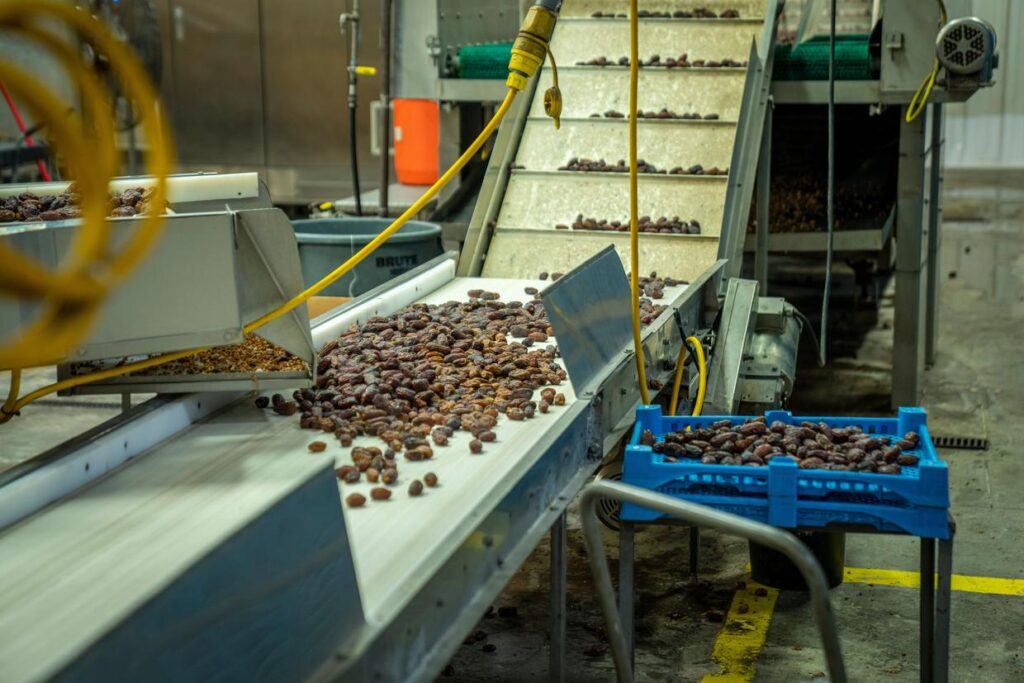
Diagnosis of Situation
A manufacturer supplying the food industry needed a Quality and Food Safety Director for a production facility in a small town outside Spain.
The role combined responsibility for quality systems and food safety with leadership of the local team and close coordination with production. The search had to identify someone with relevant manufacturing experience who could uphold standards, investigate problems and work constructively with plant leadership.
The location added a further challenge. Quality leaders with strong technical records are often reluctant to relocate to smaller towns, and candidates needed to make an informed decision about the working environment and the implications for their families.
Implementation
The search began by clarifying the facility’s processes, customer requirements and the director’s authority. This established the technical experience required and the leadership situations candidates should be able to handle.
International mapping targeted executives from food manufacturing and relevant supplier businesses. Interviews explored how candidates had managed audits, investigated deviations and addressed recurring quality issues.
A key part of the assessment was their relationship with operations. Candidates were asked to describe situations in which they had challenged a production decision, withheld product release or secured support for a corrective action.
Relocation was discussed from the first conversations, covering the site environment, travel expectations and personal circumstances. References examined technical judgement, team leadership and each candidate’s ability to build trust across functions.
Result
The appointment combined relevant quality and food safety expertise, effective plant-level leadership and a considered commitment to the location.
Initial priorities were agreed with the client, including a review of quality systems, an assessment of team capabilities and a plan to address the most significant gaps. Progress was evaluated against defined responsibilities and site-specific milestones.
Talent shortages have affected engineering, construction and EPC companies for years, but the challenge should be separated into two different