
Portugal is emerging as a key center for multinational growth, especially in the areas of technology, renewable energy, and nearshoring. Lisbon and Porto are Portugal’s main cities attracting foreign investments, driven by their skilled workforce, suitable business climate, and access to the European Union.
But success in this market hinges more on leadership than operations. This is where executive search services in Portugal come into play. With the right executive team, costly delays caused by poor alignment between global strategies and local execution can be avoided.
Cultural Fit: The Hidden Factor in Executive Success
Portugal combines Southern European warmth with a strong emphasis on cooperation. Leadership style tends to be both top-down and group-oriented, and these subtleties are invaluable for foreign firms. Trust and relationships drive decision-making. Senior-level employees often prefer to work under a collaborative organizational framework. In most metropolitan areas, English proficiency is high, but within regulatory and commercial spheres, Portuguese remains vital.
Underperformance by expatriate executives in multinational firms is often attributed to poor cultural fit. When hiring for a position, both behavioral compatibility and functional knowledge are essential—and these factors can be effectively assessed by an executive search firm.
Executive Compensation: Context-Sensitive Yet Competitive.
Within the European Union, Portugal’s executive pay rate is competitive but still lags behind the UK and Germany. C-level base salaries range from €90,000 to €180,000 depending on the sector and company size (source: Michael Page Portugal, 2024). Variable compensation and long-term incentive plans (LTIPs) are gaining traction, especially in scale-ups and PE-backed companies. Benefits such as private healthcare, training, and flexible arrangements are expected at senior levels.
Tip: Avoid transplanting HQ packages. Candidates evaluate offers based on total value and lifestyle relevance—not just pay.
Legal & Structural Considerations in Executive Hiring
Portugal has protective labor regulations, particularly for permanent contracts, which are standard at senior levels. Missteps in contract structure or dismissal can be costly. Executive roles must be clearly defined under Portuguese labor law. Non-compete clauses are enforceable only if compensated. Dismissals often require severance, and mutual agreements are common to avoid litigation.
Recommendation: Align your executive search process with legal counsel early to structure offers and manage risks proactively.
Local vs. Expat Talent: A Strategic Choice.
Should you appoint a Portuguese executive or relocate someone from HQ? The answer depends on your priorities.
Local leaders bring immediate market insight and networks, stronger long-term commitment, and cultural fluency that earns credibility with teams and regulators.
Expatriates, on the other hand, offer direct alignment with global strategy, quicker integration with HQ leadership, and prior experience in high-growth rollouts.
Many firms choose a blended model—for example, a local GM with an expat CFO or VP of Strategy during initial phases.
Leadership is often the make-or-break factor when entering a new market. In a relationship-driven environment like Portugal, finding the right executives isn’t just about filling roles—it’s about securing local credibility, performance, and long-term success.
Executive search in Portugal:
It isn’t a transactional process. It’s a strategic investment that defines how you grow, operate, and lead in the market.
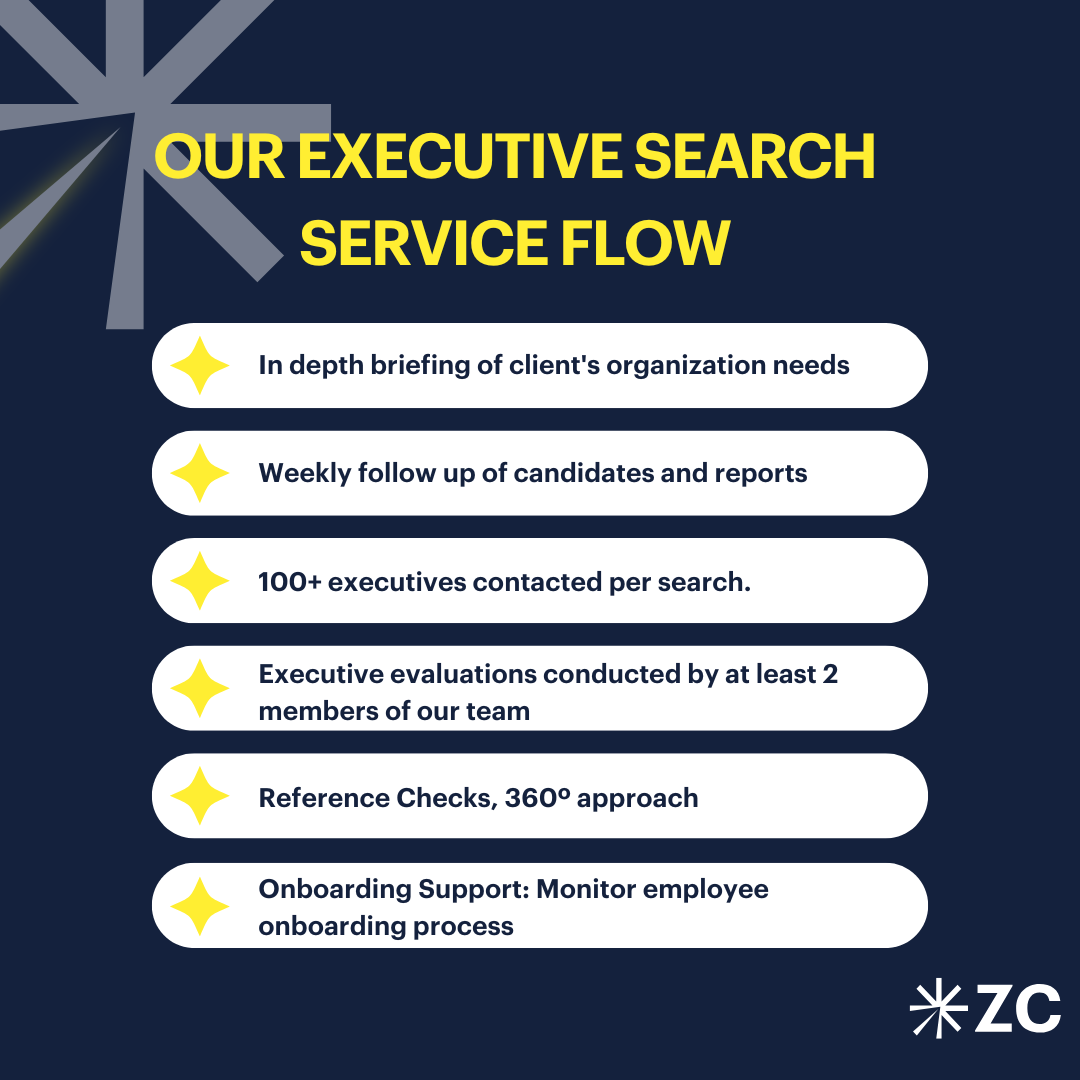
Planning your expansion into Portugal? Let’s explore what kind of leadership your strategy demands.
Executive Search | Zavala Civitas Executive Search – Zavala Civitas