
It is hard to believe that five years have come by since the COVID-19 pandemic and all the changes it brought to the Executive Search & HR panorama. These past few years HR leaders have had to deal with an extremely volatile world economy and the rise of new technologies impacting all aspects of a company including talent.
As we step into 2024, Executive Search & other HR leaders are strategically honing in on a set of key priorities that promise to redefine the dynamics of organizational success. Given the current economic uncertainties, cost pressures, depleted workforce, and shifts in work methodologies, the primary focus of Executive Search and other HR professionals in the coming years will revolve around:
Executive Search in Spain focus:
- Restoring trust between employers and their executive leaders to facilitate the adaptation to new working norms.
- Reimagining organizational culture to create a streamlined workflow suited for the evolving landscape of work.
- Allocating resources to embrace and ready for the influence of emerging HR technologies.
- Revamping external recruitment and internal career pathing strategies to attract and retain essential talent.
As an Executive Search firm we think this will be the priorities for HR leaders in 2025.
Priorities for HR in Spain:
1.Leader and Manager Development:
- Recognize the challenges faced by managers, with a focus on supporting them amidst increased responsibilities.
- Consider evolving the role of managers by resetting expectations, rebuilding pipelines, rewiring habits, and removing process hurdles.
- Address the overwhelming nature of managerial responsibilities.
2.Organizational Culture:
- Acknowledge the impact of remote work and reduced in-person interactions on traditional culture in the organization.
- Work intentionally to align employees with the company´s culture in a hybrid work environment.
3.Recognize that HR Technology:
- Navigate the hype around artificial intelligence (AI) and generative AI, focusing on responsible AI implementation.
- Develop an evaluation framework to assess the adoption of HR technology, considering governance, workforce readiness, risks, and ethics.
- Address the current unpreparedness of most HR functions for effective AI-related initiatives.
4.Change Management:
- Recognize the overwhelming volume and pace of changes affecting employee well-being.
- Plan ahead for change fatigue risks, integrating fatigue management into transformation plans.
5.Career Management and Internal Mobility:
- Adapt traditional career paths to align with both business needs and employees’ larger goals, interests, and skills.
- Acknowledge that traditional career maps no longer meet business requirements or employee expectations.
In the broader context, it is crucial to grasp the evolving nature of HR responsibilities in 2025 and proactively adapt to emerging priorities.
Addressing the intricacies of the employee-employer relationship, there is a need to actively work towards restoring trust and fostering engagement within the workforce. Furthermore, it is essential to acknowledge the pivotal role that HR must play in navigating organizational changes, particularly in the realms of technology, talent management, and elevating the overall employee experience. Embracing these challenges and opportunities positions HR as a strategic partner in shaping a resilient and forward-thinking workplace environment.
Zavala Civitas Executive Search Spain
In Zavala Civitas Executive Search we can help you find the best available executive talent for your company or contribute to tackling HR related issues through organizational consulting services.
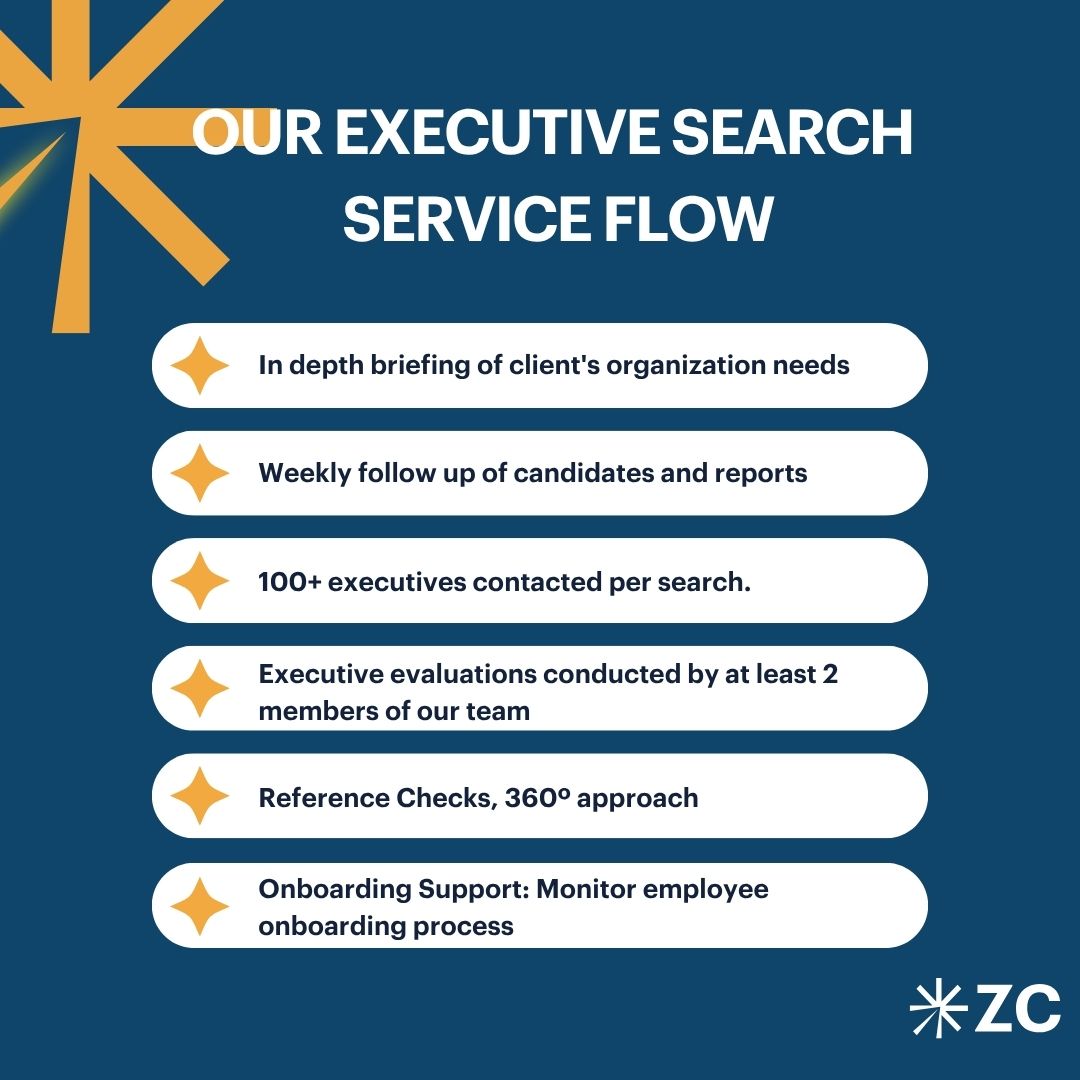 If you are struggling to adapt or find talent , learn about executive search feel free to contact us or directly one of our region leaders on our website.