
Last updated: August 20, 2026
China’s executive search environment has changed significantly since the original publication of this article in 2022. Digitalisation, artificial intelligence, changing business models and increasingly complex cross-border operations continue to reshape how companies identify and assess senior leaders. However, technology has not removed the human dimension of executive search. Understanding how a candidate leads, communicates, builds trust and adapts to a specific organisational environment remains essential.
People Are at the Centre of Executive Search and Cultural Fit
Executive search companies ultimately work with people. Technology can improve market mapping, research and information processing, but executive appointments still require a detailed understanding of the individual, the organisation and the environment in which both will need to operate.
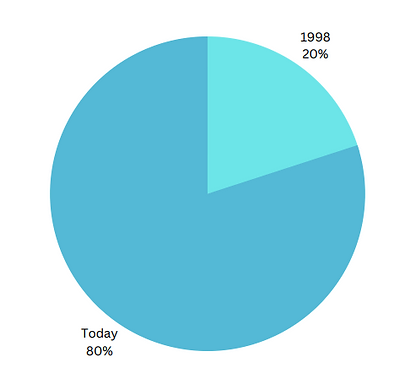
Executive search strategies in China can differ substantially depending on whether the client is a Chinese company, a multinational organisation, a joint venture or a foreign company building its first significant local operation. The relevant candidate pool may include local Chinese executives, internationally experienced Chinese leaders, expatriate executives or professionals returning to China after careers abroad.
The objective should not be to assume that one of these groups is inherently a better cultural fit. Instead, the search should identify the leadership behaviours, market knowledge and stakeholder capabilities required by the organisation and assess candidates consistently against those criteria.
Key Figures at a Glance
| Data point | Finding | Source |
|---|---|---|
| New foreign-invested enterprises established in China, 2025 | 70,392, +19.1% YoY | Ministry of Commerce of China |
| Actual foreign investment used in China, 2025 | RMB 747.69 billion | Ministry of Commerce of China |
| Foreign investment in China’s high-tech industries, 2025 | RMB 241.77 billion | Ministry of Commerce of China |
| Meta-analysis examining cultural intelligence and cross-cultural adjustment | 77 studies, 18,399 participants | Journal of Global Mobility |
What Current Public Data Means for Cultural Fit in China
Cultural Fit in China’s Local and Multinational Business Landscape
When domestic companies in China compete with multinational organisations in sectors such as technology, industrial, financial services or life sciences, executive search firms need to understand the different organisational contexts in which candidates will operate.
A multinational company may need a CEO capable of translating global strategy into the Chinese market while influencing international headquarters. A Chinese company expanding internationally may need a leader capable of building global teams, communicating with foreign investors or customers and adapting local strengths to international markets.
Nationality is not the same as cultural fit
A foreign executive with extensive China experience may understand the local operating environment better than a Chinese executive who has spent most of their career abroad. Equally, a local executive may combine deep market understanding with significant international experience. Nationality alone therefore provides limited information about whether a person can lead effectively in a specific organisation.
Executive search should instead assess observable capabilities such as stakeholder management, communication, adaptability, decision-making, leadership style, local market understanding and the ability to navigate differences between headquarters and local teams.
What Cultural Fit Should Mean in Executive Search
Cultural fit should not mean finding someone who behaves exactly like the current leadership team. Excessive emphasis on similarity can reduce diversity of thought and make companies overlook candidates capable of strengthening the organisation.
A stronger assessment separates the elements that need alignment from the elements where difference may create value.
Areas where alignment may be essential
- Ethical and governance expectations.
- The leadership behaviours required by the role.
- Decision-making responsibilities and accountability.
- Ability to work with the company’s key stakeholders.
- Commitment to the organisation’s strategic objectives.
- Ability to operate effectively within the local business environment.
Areas where difference can strengthen the organisation
- Professional background and previous markets.
- Problem-solving approaches.
- Leadership experiences.
- Industry perspectives.
- Communication style, when the executive can adapt effectively.
- Ideas about how the organisation could evolve.
Technology and the Human Factor in Executive Search in China
Technology now plays a central role in executive search. Research platforms, databases, social networks and AI-enabled tools can improve the speed and breadth of market mapping, particularly in a market as large as China.
However, technology cannot independently determine whether a candidate will build trust with a board, lead a culturally diverse management team or navigate the relationship between a Chinese operation and an international headquarters. These questions require structured conversations, assessment and reference validation.
For roles where cultural and leadership fit are particularly important, Executive Assessment can complement the search process by evaluating behavioural characteristics, leadership competencies and fit with the specific mandate rather than relying primarily on CV experience.
Zavala Civitas Methodology for Assessing Cultural Fit in China
Zavala Civitas integrates cultural and organisational context into the executive search process from the initial definition of the mandate. The objective is not to add cultural fit as a final subjective judgement after candidates have already been selected, but to translate the company’s environment into observable criteria from the beginning of the search.
1. Define the leadership environment
The initial briefing explores the organisation, business objectives, reporting structure, stakeholders and critical success factors of the role.
2. Map the relevant talent market
Candidate mapping can include executives currently operating in China, internationally experienced Chinese executives, regional APAC leaders and relevant global candidates depending on the mandate.
3. Assess leadership and adaptability
Candidates are evaluated against quantitative and qualitative criteria by at least two consultants. The assessment considers previous performance as well as how the executive has adapted their leadership across organisations, markets and stakeholder environments.
4. Validate behaviour through references
360-degree reference checks can provide additional evidence about how finalists communicate, build teams, manage conflict and operate across different organisational environments.
5. Support integration after appointment
Cultural integration does not end when an executive accepts an offer. Zavala Civitas follows the adaptation process after appointment, helping both the client and candidate identify potential integration issues during the first months of the relationship. Learn more about our Executive Search methodology.
Frequently Asked Questions: Cultural Fit and Executive Search in China
Looking for leadership that can succeed in China?
Zavala Civitas helps organisations identify executives who combine proven leadership capability with the adaptability and local understanding required to operate across Chinese and international environments. 92% closing rate.
Executive Search → Executive Search in China → Contact Us →