
Executive Search for Growth in Brazil’s Logistics and Supply Chain Sectors

Key Takeaway: Brazil is the world’s ninth-largest economy and one of the globe’s leading exporters of soybeans, iron ore, beef, and sugar. Its extensive Atlantic coastline and borders shared with almost all South American countries make it the continent’s primary maritime and land-based trade hub. Infrastructure gaps — particularly in roads and port cargo handling capacity — create specific logistics leadership challenges that are simultaneously opportunities for executives who can convert those constraints into competitive operational advantages through strategic planning and technology adoption.

Last updated: August 13, 2026

Brazil is a global trade hub because of its logistics and supply chain sectors — possessing an extensive Atlantic coastline and borders shared with almost all South American countries, making it the primary corridor for both maritime and land-based trade routes across the continent. This has made Brazil one of the world’s leading exporters, particularly of soybeans, iron ore, beef, and sugar, with an economy that ranks ninth globally and logistics and supply chain sectors that are significant GDP contributors. Executive search is how organisations find the executives capable of pushing these sectors forward.

Key Figures at a Glance

Brazil logistics context factor Executive leadership implication
Global economic ranking 9th largest economy globally — logistics and supply chain sectors are significant GDP contributors
Key export commodities Soybeans, iron ore, beef, sugar — among the world’s top exporters in all four categories
Geographic logistics advantage Extensive Atlantic coastline + borders with almost all South American countries — primary continental trade corridor
Key leadership challenge Road network + port cargo handling infrastructure requiring upgrading — simultaneous challenge and opportunity for innovative leadership

The Strategic Role of Executive Search

Brazil’s logistics and supply chain industry can only be steered forward by executives who can navigate complex operations while exhibiting the visionary qualities needed to manoeuver around the varied challenges that the country presents. Specialised executive search services are vital — providing deep market insights and industry knowledge that identify leaders capable of innovating and adapting to a rapidly changing economic landscape.

Brazil’s logistics infrastructure gaps — the road network that requires upgrading, the port cargo handling capacity that needs improvement — are simultaneously the sector’s most cited challenge and its most significant executive leadership opportunity. The logistics executive who can design supply chain networks around Brazil’s infrastructure constraints rather than assuming them away is creating a competitive advantage that the competitor who plans as though Brazil has European road and port infrastructure cannot replicate. Road freight resilience through multi-modal design, port diversification strategy across Santos, Paranaguá, Pecém, and Suape, and inland waterway utilisation through the Tietê-Paraná and São Francisco systems are the specific operational architecture choices that transform Brazilian logistics constraints into competitive differentiation. The executive who has mastered that architecture through operational experience is genuinely difficult to find and genuinely more valuable than the executive who simply understands Brazil’s logistics challenges conceptually.

Challenges and Opportunities in Brazil’s Logistics and Supply Chain

Due to its huge size and sometimes uneven infrastructure, there are unique challenges in terms of logistics in Brazil. Although having many roads across the country, such systems require both upgrading and better management — reducing logistical bottlenecks within road network structures is a significant operational leadership challenge. Cargo handling capacities at ports also need improvement. Nonetheless, these issues create space for growth and innovation opportunities, especially when strategic planners partner with infrastructure optimisation specialists capable of turning potential weaknesses into competitive strengths affecting profitability and operational effectiveness.

Key Skills for Successful Executives in This Sector

  • Innovative problem solving: Ongoing infrastructural and regulatory challenges require resourcefulness — the ability to design logistics solutions that work within Brazil’s specific constraints rather than assuming constraints will be resolved before operational improvement is achievable.
  • Strategic vision and agility: In an economy with constant fluctuations across diverse regional markets, anticipating industry trends and adapting strategies rapidly is essential — particularly as Brazil’s commodity export cycles create demand volatility that requires supply chain design with built-in flexibility.
  • Technological proficiency: AI, blockchain, and IoT are revolutionising logistics globally — and their deployment in Brazil’s specific infrastructure context requires executives who can evaluate which technology investments create genuine operational improvement given Brazil’s connectivity and infrastructure baseline.
  • Stakeholder management: Strong leadership and communication skills are essential for managing teams, negotiating with suppliers, government entities, and international partners in Brazil’s complex and relationship-driven business culture.
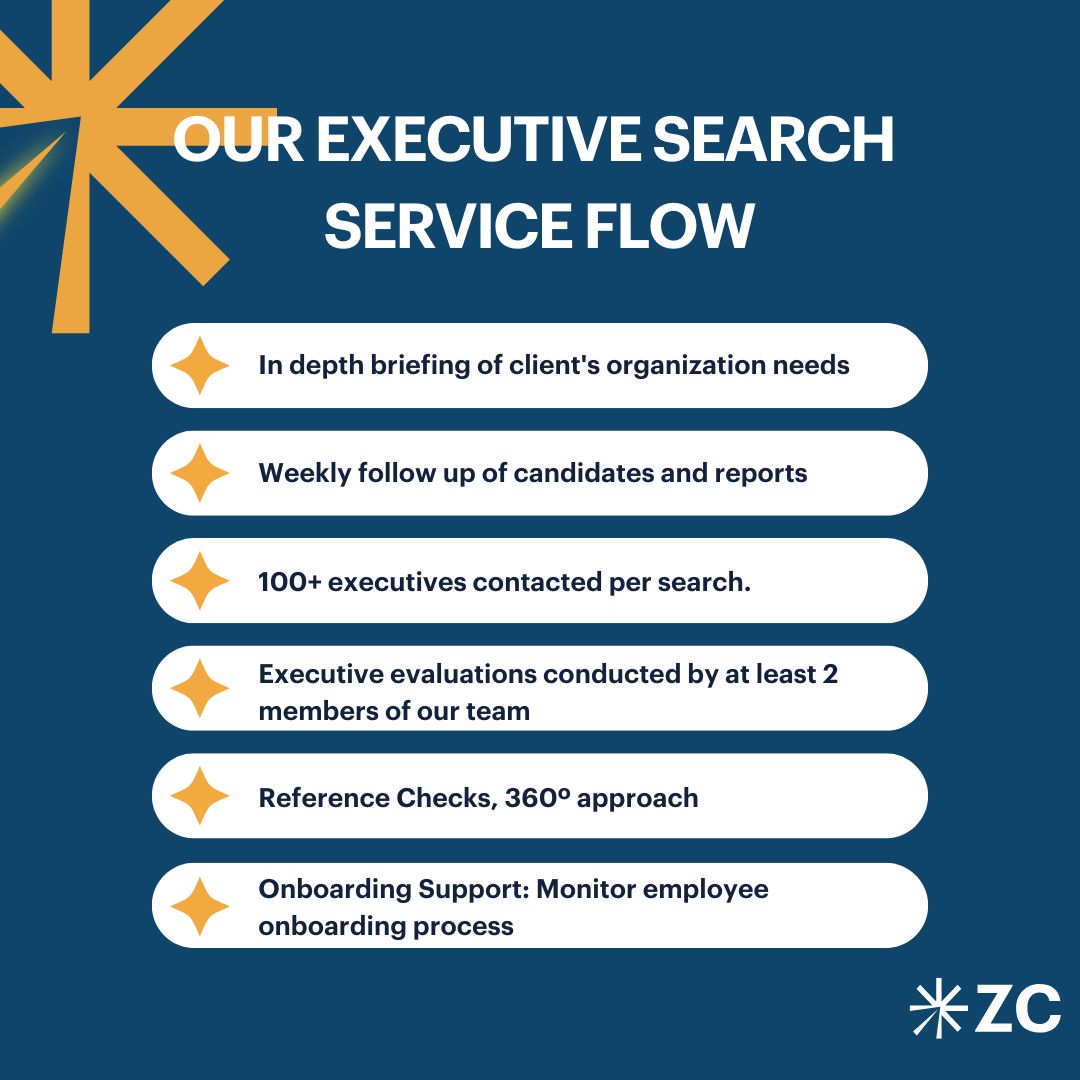
Zavala Civitas executive search approach in Brazil — Zavala Civitas

Through proper leadership, Brazilian businesses can navigate the complexities associated with global market requirements while optimising their operations and creating new benchmarks for efficiency and innovation within logistics and supply chains. Click here to contact with our local leaders.

Frequently Asked Questions: Executive Search in Brazil’s Logistics and Supply Chain

Why do Brazil’s logistics infrastructure gaps represent both the sector’s most cited challenge and its most significant executive leadership opportunity?
Because the logistics executive who can design supply chain networks around Brazil’s infrastructure constraints is creating competitive advantage that competitors who plan as though Brazil has European road and port infrastructure cannot replicate. Road freight resilience through multi-modal design, port diversification across Santos, Paranaguá, Pecém, and Suape, and inland waterway utilisation through the Tietê-Paraná and São Francisco systems transform Brazilian logistics constraints into competitive differentiation. The executive who has mastered that architecture through operational experience is genuinely more valuable than one who only understands the challenges conceptually.
What specific commodity supply chain leadership capability does Brazil’s position as a top global exporter of soybeans, iron ore, beef, and sugar require?
The ability to manage the specific logistics of commodity supply chains — harvest-driven seasonal demand spikes in agricultural commodities, extreme weight and volume requirements for iron ore, cold chain management for beef exports, and the port loading and vessel scheduling that bulk commodity export at global competitive scale requires. The logistics executive who has only managed consumer goods distribution does not have these specific commodity supply chain capabilities — and the Brazilian logistics market’s largest and most consequential export volumes are primarily commodity-driven.
How does Brazil’s geographic position as a continental trade hub create multi-modal logistics leadership requirements beyond road freight management?
Because Brazil’s trade flows include maritime freight through multiple Atlantic ports, inland waterway transport through the Tietê-Paraná and São Francisco systems, rail freight through the limited but significant commodity rail network, and road freight across a vast and unevenly maintained network. The logistics executive who can design multi-modal supply chain configurations that balance cost, reliability, and transport time across these modes — using inland waterways and rail where the infrastructure exists and road where it doesn’t, to reduce dependence on a single mode — is managing Brazil’s logistics geography rather than being constrained by it.
How does Zavala Civitas approach executive search in Brazil’s logistics and supply chain sectors?
Through sector-specific talent mapping assessing multi-modal supply chain design capability in Brazil’s specific infrastructure context, commodity supply chain operational management, government relationship and port authority management, technology deployment calibrated for Brazil’s connectivity baseline, and the regional market diversity management that Brazil’s continental scale and varied economic development creates. From our São Paulo office, with a 92% closing rate.

Finding executive leadership for Brazil’s logistics and supply chain sector?

Zavala Civitas provides sector-specific executive search for Brazil’s logistics organisations. From our São Paulo office. 92% closing rate.

Executive Search →
Operations & Supply Chain →
Contact Us →

Executive Search China: Industrial Sector

Key Takeaway: Beijing has launched a nationwide “anti-involution” (反内卷) campaign to address destructive price wars and overcapacity across multiple industrial sectors at once, not just renewables. Electrical machinery and equipment, communications equipment, and medical products all show 29% to 34% of firms losing money in 2024-25. Goldman Sachs estimates Chinese

Read More

Executive Search in Italy for Industrial

Key Takeaway: Turin’s automotive cluster invested roughly €2.8 billion in electrification between 2024 and 2026. Over the same period, regional automotive employment fell by more than 3,200 positions. Fewer than 20% of local engineering graduates hold the specific battery, power electronics, and embedded software skills employers are actually hiring for.

Read More

Executive Search in Portugal for Financial Services

Key Takeaway: French banking group BPCE is investing €6.4 billion to acquire Novo Banco and building a 20,000 square metre campus in Lisbon, alongside a 2,500-strong tech hub already operating in Porto. This single deal is creating demand for highly specialised roles in risk analytics, structured finance, and digital-asset compliance

Read More

Related posts

Trabajo en remoto en los despachos de abogados

Autora: Beatriz Baker Araujo Senior Advisor, Zavala Civitas El debate sobre el trabajo presencial y remoto en los despachos de abogados lleva años activo, pero no ha madurado. Las posiciones se han endurecido desde 2020, y las conversaciones suelen discurrir entre dos polos: socios que invocan la cultura, el mentoring

Read More

Executive Search China: Industrial Sector

Key Takeaway: Beijing has launched a nationwide “anti-involution” (反内卷) campaign to address destructive price wars and overcapacity across multiple industrial sectors at once, not just renewables. Electrical machinery and equipment, communications equipment, and medical products all show 29% to 34% of firms losing money in 2024-25. Goldman Sachs estimates Chinese

Read More
Financial services building in Germany

Executive Search in Brazil for Financial Services

Key Takeaway: The White House targeted Brazil’s Pix payment system in April 2026, calling it a barrier to US payment companies. Brazil’s Central Bank fired back, defending Pix as a matter of payments sovereignty. At the same time, the collapse of Banco Master, the largest banking fraud in Brazilian history,

Read More
law leaders working

Executive Search in Mexico for Legal and Professional Services

Key Takeaway: Mexico’s 2024 judicial reform introduced popular election of judges and magistrates, with implementation beginning in 2025. This has accelerated a shift toward arbitration as the preferred dispute-resolution method in commercial contracts, as companies seek predictability an elected judiciary cannot yet guarantee. Combined with nearshoring-driven M&A activity and the

Read More

Executive Search in Italy for Industrial

Key Takeaway: Turin’s automotive cluster invested roughly €2.8 billion in electrification between 2024 and 2026. Over the same period, regional automotive employment fell by more than 3,200 positions. Fewer than 20% of local engineering graduates hold the specific battery, power electronics, and embedded software skills employers are actually hiring for.

Read More

Executive Search in Portugal for Financial Services

Key Takeaway: French banking group BPCE is investing €6.4 billion to acquire Novo Banco and building a 20,000 square metre campus in Lisbon, alongside a 2,500-strong tech hub already operating in Porto. This single deal is creating demand for highly specialised roles in risk analytics, structured finance, and digital-asset compliance

Read More