Key Takeaway: Brazil’s technology market is projected to surpass $100 billion, with a demand for 530,000 tech professionals by 2025 against only 53,000 annual graduates — a structural gap of nearly 10:1. In December 2024, the Brazilian Senate approved a national AI regulatory framework, positioning Brazil as the first major Latin American economy with comprehensive AI governance legislation. The executives who can simultaneously scale technology operations, navigate AI regulation, and close the talent gap are the most consequential and scarcest appointments in Brazilian technology today.
Last updated: August 13, 2026
Brazil’s technology sector is on a significant growth trajectory, with projections indicating the market will surpass $100 billion. This expansion is fuelled by rapid digital transformation and increased adoption of emerging technologies. However, the sector faces a notable challenge: an estimated demand for 530,000 tech professionals against only 53,000 annual tech graduates — making executive search indispensable for technology firms that need leadership capable of managing growth at a scale the domestic talent pipeline cannot sustain alone.
Key Figures at a Glance
| Data point |
Finding |
Source |
| Brazil tech market size projection |
+$100 billion |
Brazil technology market analysis |
| Tech professional demand vs. annual graduates |
530,000 demand / 53,000 graduates — structural 10:1 gap |
Brazil tech workforce data |
| New tech jobs emerging in Brazil |
~420,000 by 2025 — demand growing faster than pipeline |
Brazil digital economy projections |
| Brazil AI regulatory framework |
Approved December 2024 — first major Latin American AI governance legislation |
Brazilian Senate, December 2024 |
Current Landscape and Challenges of the Technology Sector
The Brazilian government has been proactive in addressing technological advancements, particularly in artificial intelligence. In December 2024, the Senate approved a bill establishing a national regulatory framework for AI development and governance — positioning Brazil as a forward-thinking nation, but also introducing compliance complexities for tech companies striving to align with new regulations whose implementation details are still being defined.
Political and economic uncertainties have also impacted the business environment. Discussions around implementing a global minimum tax of 15% on multinational corporations have emerged as part of efforts to meet fiscal goals — potentially influencing investment strategies and executive compensation structures within the tech sector, particularly for the multinational subsidiaries and international venture capital-backed startups that represent a significant portion of Brazil’s technology market.
Brazil’s December 2024 AI regulatory framework is the most consequential new executive leadership requirement the technology sector has faced since the introduction of the LGPD data protection law in 2020. The CTO or Chief AI Officer who can design AI systems that satisfy Brazil’s new governance requirements — including explainability, non-discrimination, and human oversight standards — while also satisfying the technical and commercial performance expectations of the product or service they are building, is not the same profile as the engineer who built the AI system before the regulation. That profile requires genuinely bifocal capability: technical depth and regulatory literacy simultaneously. It does not emerge naturally from the domestic engineering talent pipeline. Finding it requires active international executive search in addition to domestic mapping.
Opportunities for Executive Search Firms
The pressing talent shortage presents a significant opportunity for executive search firms specialising in the technology sector. With an estimated 420,000 new tech jobs emerging and only 53,000 tech graduates annually, the gap is structural — and the scarcity is most acute at the executive level, where the combination of technical depth, business leadership capability, and Brazil-specific market knowledge is rarest.
Executive search firms play a pivotal role in bridging this divide — leveraging global networks to source skilled professionals and leaders adept at navigating Brazil’s unique market dynamics, including for the internationally located Brazilian technology executives who combine global scale experience with local market fluency.
Strategic Insights on Executive Search
- Global talent acquisition: Tapping into international talent pools mitigates local shortages. Executive search firms identify professionals with the requisite expertise willing to relocate or work within Brazil’s time zone and cultural context — including the diaspora of Brazilian technology executives who have built careers at scale in Silicon Valley, London, and Berlin and bring governance experience the domestic pool cannot provide at the required density.
- Regulatory navigation: Understanding and anticipating the implications of Brazil’s AI framework and LGPD data governance is crucial. Firms guide clients in recruiting leaders who are not only tech-savvy but proficient in compliance and regulatory affairs — executives who can build products that satisfy Brazilian regulatory requirements from the design stage rather than retrofitting compliance after the fact.
- Diversity and inclusion: Promoting diverse leadership teams fosters innovation and reflects a global customer base. Executive search firms advocate for and implement diversity strategies in their recruitment processes — particularly important in Brazil’s technology sector, where diversity in leadership is both a performance driver and an increasingly explicit investor and client expectation.
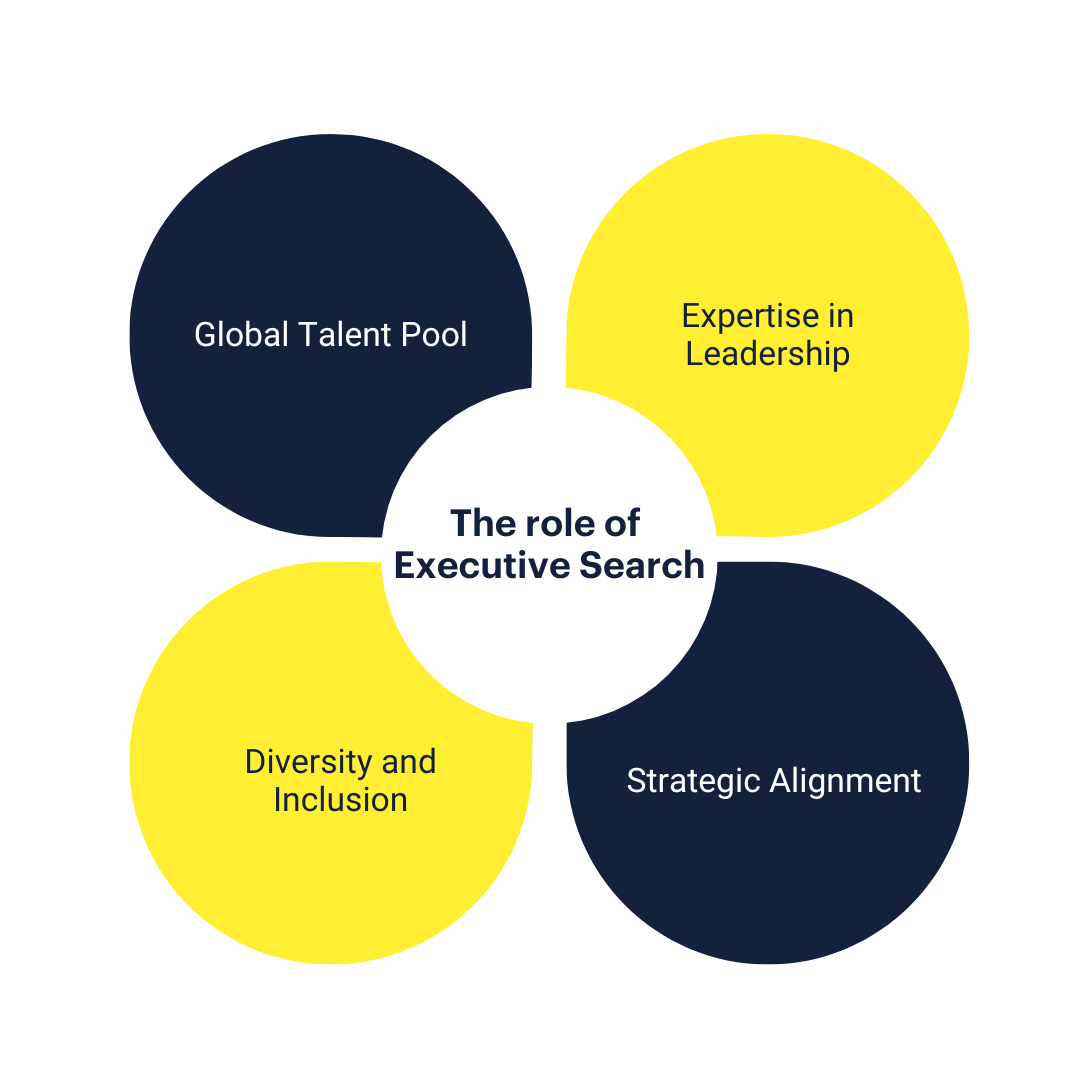
The 10:1 ratio between tech professional demand and annual graduate output in Brazil is not a problem that hiring fixes — it is a problem that leadership strategy determines. The technology executive who can build an organisation capable of delivering at scale with the talent available — through automation, offshore partnerships, AI-augmented workflows, and structured development pipelines for the junior talent the market can supply — is a fundamentally different profile from the executive who was managing technology teams when the talent supply was adequate. That problem-solving orientation at the organisational level — not just the technical level — is the leadership capability that Brazil’s technology sector most needs and that most executive search briefings least explicitly assess.
Brazil’s technology sector stands at a crossroads, with immense growth potential tempered by significant challenges. The talent shortage requires innovative leadership solutions, not just recruitment volume. Executive search firms have a unique opportunity to influence the sector’s trajectory by sourcing and placing leaders who can drive transformation, ensure compliance, and foster inclusive growth — contributing to the sustainable development of Brazil’s burgeoning technology industry.
Click here to get in contact with us.
Frequently Asked Questions: Executive Search in Brazil’s Technology Sector
What executive profile does Brazil’s December 2024 AI regulatory framework specifically create demand for?
A CTO or Chief AI Officer who can design AI systems satisfying Brazil’s new governance requirements — explainability, non-discrimination, human oversight standards — while also satisfying technical and commercial performance expectations. That profile requires genuinely bifocal capability: technical depth and regulatory literacy simultaneously. It does not emerge naturally from the domestic engineering pipeline and requires active international executive search in addition to domestic mapping.
Why does the 10:1 demand-to-graduate ratio require a leadership strategy response rather than a recruitment response?
Because the ratio cannot be closed by hiring faster — the pipeline is structurally constrained. The technology executive who can build organisations delivering at scale with available talent — through automation, AI-augmented workflows, offshore partnerships, and structured junior development pipelines — is the executive who solves the problem. That organisational problem-solving capability at scale is what executive search should be assessing, and what most briefings least explicitly specify.
How does Brazil’s LGPD data protection law specifically affect technology executive search profile requirements?
By making LGPD compliance a product design requirement, not a post-hoc legal review. The technology executive who can build products with LGPD compliance designed in from the architecture stage — not added after the product is built — reduces liability, accelerates regulatory approval, and creates a more trustworthy customer proposition. That capability requires both technical and legal literacy at the product governance level, and is a specific assessment criterion that sector-specific executive search addresses explicitly.
Why is the Brazilian technology diaspora a strategic executive search target?
Because Brazilian technology executives who have built careers in Silicon Valley, London, and Berlin have scaled technology organisations through growth cycles that the domestic market has not yet experienced at the same intensity — giving them governance capability at scale that the domestic pool cannot provide at the required density. Combined with Portuguese fluency, cultural credibility, and often strong existing networks in Brazil’s startup and corporate technology ecosystems, they represent the most productive non-domestic talent pool for senior Brazilian technology mandates.
How does Zavala Civitas approach executive search in Brazil’s technology sector?
Through sector-specific talent mapping that assesses AI governance capability under Brazil’s new regulatory framework, LGPD product compliance experience, talent scarcity management at scale, and the specific technical-commercial integration capability that Brazil’s technology growth phase requires. We access both domestic Brazilian technology executives and the international Brazilian technology diaspora. From our São Paulo office, with a 92% closing rate across completed executive search mandates.
Finding executive leadership for Brazil’s technology sector?
Zavala Civitas provides sector-specific executive search for technology firms in Brazil — AI governance, LGPD compliance, talent scarcity management. 92% closing rate.
Executive Search →
Technology & Digital →
Contact Us →