
Infrastructure and energy sectors are the mainstay of the German economy, which supports its industrial power as well as environmental protection. All the same, like any other global industries that matter quite a lot they experience aging technology, energy transition and innovation needs.
Executive search firms play a significant role in finding leaders capable of safely navigating their companies through an ever-changing business environment with long-term growth and stability objectives.
Current Economic Landscape of Germany
Germany is experiencing a major shift in its infrastructural and power supply systems. It, however, has some ambitious objectives for infrastructure modernization and carbon neutrality by 2045. This encompasses enhancement of renewable energy capabilities, improvement of obsolete electricity networks as well as development of a robust hydrogen economy. Nevertheless, the struggle to reach these goals is constrained by financial challenges, intricate regulations and massive sums to be invested.
For example, in order to achieve its transition objectives in the energy sector, Germany will have to channel about €600 billion towards expanding its electricity grids alone by 2030. (Global Law Firm | DLA Piper S&P Global).
Energy leadership Germany
- Market Size: Germany, Europe’s biggest energy market with annual power around 625 TWh per year. The infrastructure sector also requires huge investments with grid expansion that requires over €183 billion up to 2037 (GTAI – Invest in Germany).
- Employment Trends: The construction and engineering professions, infrastructure-related jobs are important for overall employment in Germany aside from more than 200,000 direct employees of the energy sector alone.
- Investment Needs: Capital requirements for energy transition are enormous, for instance high voltage grid expansion alone would require over €35 billion (DW).
In other words, these numbers show how large this industry is and how it is currently transforming itself; hence the need for strong leadership that can lead to this change.
Challenges for the Infrastructure and Energy Sectors
- Old Infrastructure: Germany must modernize its infrastructure especially in transport. According to DW, 4,500 highway bridges and major sections of the rail network are in critical condition.
- Energy Transition: To make the change from fossil fuels to renewable energy would require huge amounts of available funds. Additionally, such a transition calls for creativity aimed at incorporating sustainable power sources into electricity networks while gradually doing away with reliance on such substances (S&P Global).
- Regulatory Environment: This is difficult due to Germany’s stringent regulatory landscape that involves European Union rules on carbon emissions as well as national energy policies and hence needs experienced leadership according to Global Law Firm | DLA Piper.
Opportunities for the Infrastructure and Energy Sectors
- Renewable Energy Expansion: The ongoing development of wind, solar, and hydrogen infrastructure presents substantial growth opportunities, with Germany already leading in offshore wind capacity.
- Technological Innovation: German infrastructure needs to modernize and become more efficient through digitalization and smart grids (GTAI – Invest in Germany).
- Private Investment: Opportunities exist for strategic partnerships, innovation and private sector participation in infrastructural projects because of the limited public funding available (DW).
The Importance of Executive Search for renewable energy C-level recruitment Germany
Executive search firms play a major role in identifying the leaders who will take these sectors forward. The complexity of these challenges requires leaders with strong expertise on regulatory compliance, technology innovation as well as strategic management. Executive search firms add value through:
- Identifying Skill Gaps: They know where specific leadership capabilities are lacking and fill those gaps with top level talents.
- Ensuring Cultural Fit: It is crucial for them to make certain that new leaders align with the organizational culture as well as values which are essential ingredients for successful project implementation.
- Accessing Global Talent: They leverage global networks to bring in leaders who have experience required to manage complex large-scale infrastructure as well as energy projects.
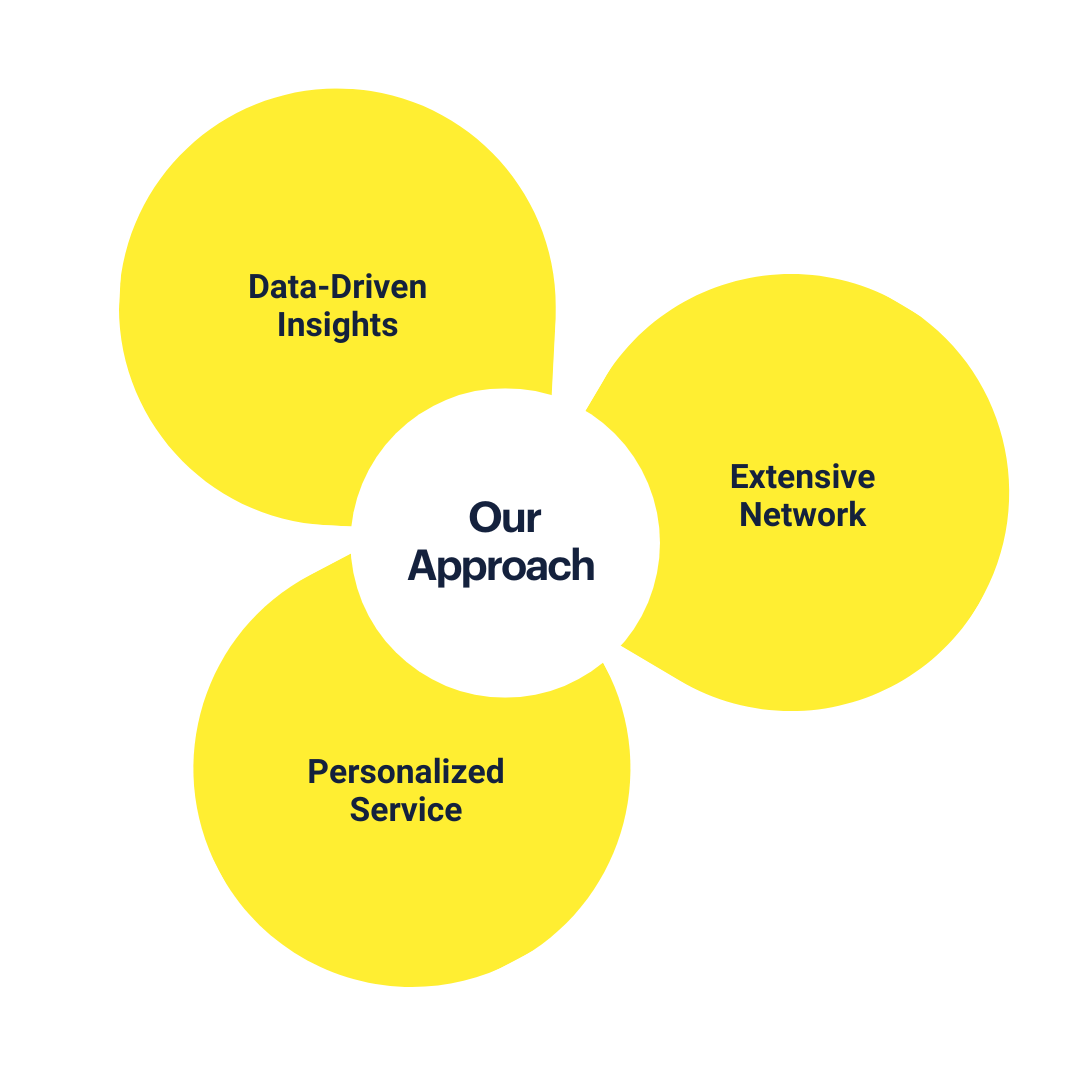
While Germany grapples with modernization and the shift to renewable energy, the significance of executive search companies is rising dramatically. Organizations that wish to keep pace with changing times must provide executive search services as part of their strategies.