
Last updated: August 13, 2026
Portugal’s industrial and automation sector has developed significantly. The industry spans robotics, production, engineering, and smart manufacturing — and is clearly the leader in operational efficiency within the country’s export-driven economy. With the international market becoming more competitive and technology evolving rapidly, the sector requires competent executive leadership capable of directing businesses towards innovation, disciplined management, and sustained growth. Executive search plays a pivotal role in identifying those leaders.
Key Figures at a Glance
| Data point | Finding | Source |
|---|---|---|
| Portugal industrial exports share of GDP (2023) | 45% of GDP | AICEP Portugal Global, 2023 |
| Automation technology adoption growth (2020–2023) | +23% | Portugal industrial automation market analysis |
| Portuguese industrial firms planning Industry 4.0 investment within 2 years | 60%+ | Portugal industrial sector survey, 2023 |
| Portugal ranking in European renewable energy production | Top 10 — creating automation demand in clean energy manufacturing | REN / IRENA, 2023 |
The Evolution of Portugal’s Industrial and Automation Sector
Portugal’s industrial sector has steadily grown, benefiting from investments in smart manufacturing, renewable energy, and Industry 4.0 technologies. According to data from AICEP Portugal Global, industrial exports accounted for nearly 45% of the country’s GDP in 2023, reflecting the sector’s importance. Automation has emerged as the key driver of productivity — minimising supplementary costs while advancing the global sustainability objectives that both European regulation and customer expectations now require. New opportunities have arrived simultaneously with the requirement for experienced executives who can direct businesses towards fresh innovation, adept management, and perpetual growth.
Key Challenges in Executive Search for Industrial and Automation
- Technological complexity and Industry 4.0: The shift to Industry 4.0 requires leaders with expertise in IoT, AI, robotics, and data-driven decision-making. Finding executives with both technical knowledge and strategic acumen is a significant challenge — the profile that can evaluate a robotics investment proposal with genuine engineering credibility AND manage the commercial and operational consequences of that investment is substantially rarer than either capability alone.
- Talent shortages in specialised roles: Portugal faces a shortage of experienced professionals in automation engineering, robotics, and smart manufacturing. This is compounded by high demand for these skills across Europe, leading to fierce competition for top talent — including from Spanish, German, and Dutch industrial organisations that can offer higher compensation packages than Portuguese domestic firms can easily match.
- Sustainability and ESG compliance: As businesses adopt greener practices, executives must integrate sustainability into operational models without sacrificing efficiency or profitability. Leaders who can balance environmental requirements — including the EU Taxonomy for sustainable activities and the CSRD reporting obligations that Portuguese industrial firms increasingly face — with market demands are a specific search requirement.
- Global competition and market uncertainty: Industrial companies in Portugal are increasingly competing on a global scale. Economic fluctuations, geopolitical instability, and supply chain disruptions necessitate agile leaders capable of responding to these pressures — with the specific supply chain resilience experience that the post-pandemic industrial environment has made a primary leadership competency.
- Cultural adaptation and talent retention: Many industrial firms in Portugal are part of multinational networks, requiring leaders who can align local operations with global corporate strategies while fostering a strong organisational culture that retains the technical talent the sector needs most.
How Executive Search Firms Address These Challenges
- Access to specialised talent networks: Executive search firms leverage global and local networks to identify candidates with the right mix of technical expertise and leadership skills — including the internationally located Portuguese industrial executives who have built Industry 4.0 implementation experience in Germany, the Netherlands, and Sweden that the Portuguese domestic market needs at scale.
- Tailored assessments for strategic alignment: Beyond technical skills, executive search firms evaluate candidates’ ability to drive innovation, manage cross-functional teams, and align with a company’s long-term goals. This ensures placement of leaders who can thrive in complex industrial environments — assessing change management capability alongside technical depth and commercial acumen.
- Focus on sustainability expertise: Search firms actively identify executives with a proven track record in implementing ESG initiatives, fostering operational efficiency while meeting regulatory and consumer demands — including the specific EU Green Deal compliance capability that industrial firms in Portugal need to access the EU funding and policy support the sector’s growth requires.
Opportunities for Growth in Portugal’s Industrial and Automation Sector
- Expansion of renewable energy projects: Portugal’s commitment to renewable energy opens avenues for innovation in automation systems for solar, wind, and hydroelectric projects — creating executive leadership demand at the intersection of industrial automation and clean energy that is specific to Portugal’s energy transition trajectory.
- Growth in smart manufacturing: Investments in digital twins, predictive maintenance, and autonomous systems are transforming the manufacturing landscape — requiring executives who have managed these specific implementations, not executives who are familiar with the concepts.
- R&D and collaboration opportunities: Portugal’s industrial parks and innovation hubs encourage collaboration between academia, startups, and established firms — requiring executives who can manage public-private partnerships and EU-funded R&D programmes alongside commercial production operations.
- European Green Deal: Companies aligned with EU sustainability goals can leverage funding and policy support for growth — requiring executives with specific EU funding application and compliance management experience alongside the technical and operational capability to deliver the projects that funding supports.
Key Industry Statistics
- Portugal’s industrial exports contributed 45% to GDP in 2023 — underlining the sector’s central importance to national economic performance and the consequential nature of executive leadership quality within it.
- Automation technology adoption grew by 23% between 2020 and 2023, reflecting the accelerating pace of Industry 4.0 investment that is creating sustained executive leadership demand for implementation-experienced profiles.
- Over 60% of industrial firms in Portugal are planning investments in Industry 4.0 technologies within the next two years — creating an immediate and sustained pipeline of executive leadership requirements for change management capability at production scale.
- Portugal ranks among the top 10 European nations for renewable energy production — a position that creates specific executive demand at the intersection of industrial automation and clean energy operations.
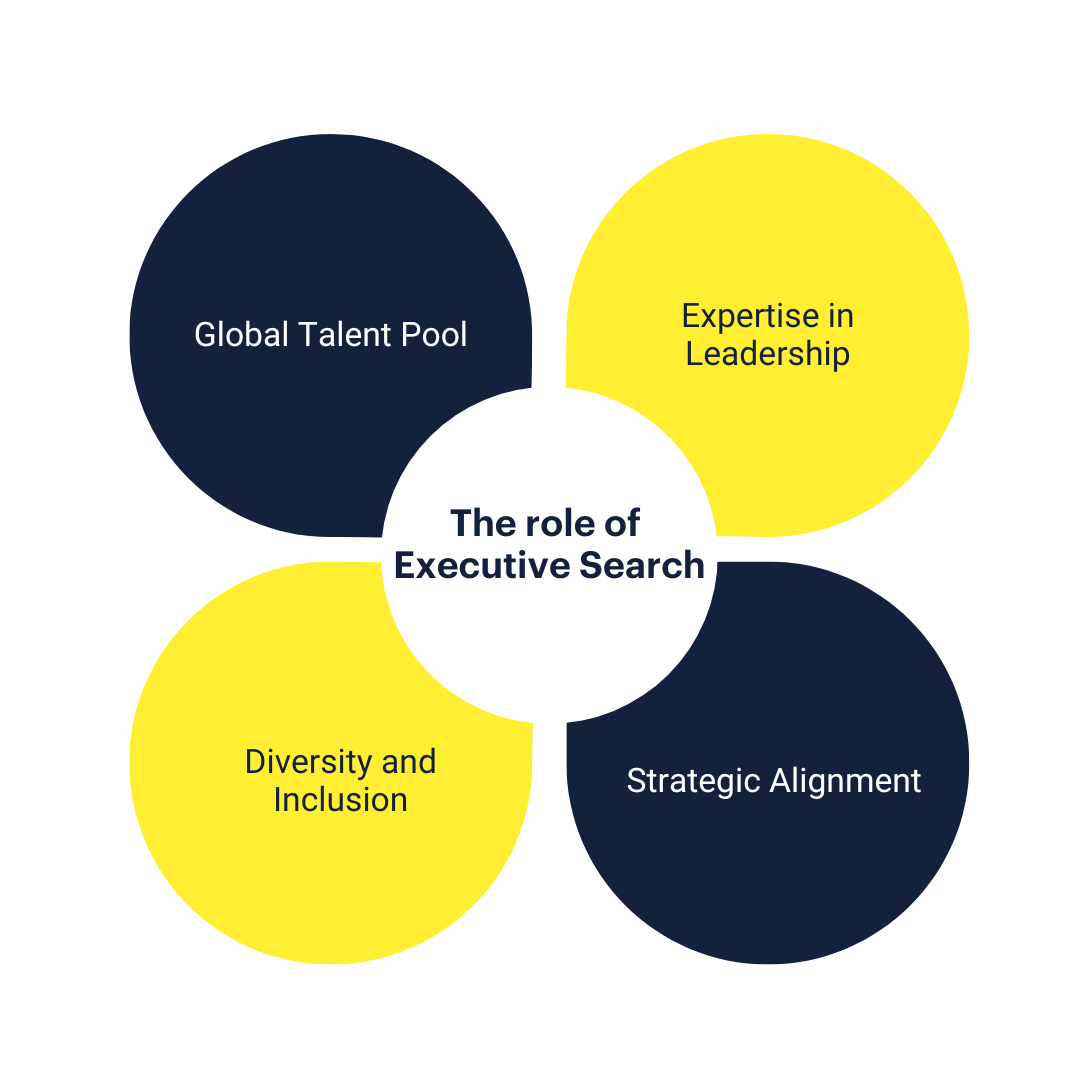
Portugal’s industrial and automation sector stands at a crossroads of innovation and transformation. The role of executive search firms is pivotal in identifying and attracting leaders who can embrace cutting-edge technologies, drive sustainable growth, and navigate the complexities of the global market. By aligning leadership capabilities with industry demands, these firms ensure that organisations remain competitive and resilient in the face of change.
Click here to get in contact with us.
Frequently Asked Questions: Executive Search in Portugal’s Industrial and Automation Sector
Finding executive leadership for Portugal’s industrial and automation sector?
Zavala Civitas provides sector-specific executive search for Portuguese industrial firms — Industry 4.0 change management, automation governance, and renewable energy intersection expertise. 92% closing rate.