China has become a very popular market for investors around the world, and truth be told, there are undeniable factors that make the Chinese market a very interesting option for foreign investors and, more specifically, western companies.
WHY IS CHINA SUCH AN ATTRACTIVE MARKET FOR FOREIGN INVESTORS?
- China has become the second-largest economy following the United States.
- It represents a considerably strong economy with an 8.44% growth in GDP in 2021 despite the Covid pandemic.
- China has started to ease its economic policies and is setting a friendlier environment for foreign investments
- The urban middle class in China is expected to reach 70 % of its population by 2030, which translates to an estimated 550 million people.
- A technological innovative landscape is reflected in China’s 2021-2025 five-year plan.
Chinese market is increasingly attractive for investors. However, it is also very complex, this is the main reason why most companies think twice before invest in China. We present you with a series of highlights of what we consider a successful strategy to enter the Chinese market should contain.
Strategies to enter the China Market
1. Conduct thorough market research.
China is the most populous country in the world with more than 1448 472 400 people and four different economic macro-regions, being the coastal parts in Eastern China the most developed. Each economical region has its own peculiarities varying in geographical position economical level of the population, human resources, and specialized agents and distributors who often specialized in a particular location or consumer. Due to these differences, we propose a regional approach to leverage the efforts and make more accurate decisions. The most popular regions, because of their industrial orientation, are Beijing, Shandong, Jiangsu, Shanghai, and Zhejiang.
When conducting thorough market research in China, we should end up with a clear idea of what the market opportunities, competitors, and legal frames are.
2. Which investment vehicles are to use.
One of the major difficulties when entering the Chinese market are the laws and its corporate governance’s structures requirements, which have continuously been changing over the years.
The good news is that in the past few years there has been a tendency from the Chinese government of easing policies and create a friendlier environment for foreign investors. We present you the most common investment vehicles for entering the Chinese market:
Representative office (RO)
A RO is an entity that operates on behalf of a foreign company. It is commonly used by small and medium-sized companies specialized in nonprofit activities, marketing, sales representative, or similar. This is a very simple way of investing in China because you do it as a non-legal entity but it has several limitations that may not work for companies centered on other activities.
Joint Venture (JV)
Another way of investing in China is the Joint Venture (JV): companies with foreign and Chinese investors, in which the foreign part invests more, and the Chinese offers the lands, the staff, the structure, and knowledge of the local market.
There are two types of JV in China: Equity Joint Ventures (EJV), where the losses are distributed between the parties according to the contract agreement on their respective equity, and Cooperative Joint Venture (CJV), which shows one difference compared to the first one: there is a minimum of placed capital, which makes it riskier. It offers more flexibility but it is the less used of the two options.
Wholly Owned Enterprises
The Wholly Owned Enterprises aims to give the foreign investors full control of their activity and investments if they are not on the list of non-authorized or restricted entities. The process of establishing a WFOE takes longer than other investment vehicles and is also more expensive.
Develop an Intellectual Property Rights strategy
It is also very important to develop a very strong Intellectual Property Rights strategy. It is recommended to do it before investing or doing any transactions to not incur any violation and to protect our assets. This can be a complex process so it is recommended to be assessed by a professional.
Hiring the right staff, managers, and officers.
The quality of human resources is a key factor to determine the success of any company but hiring the right people gains extra relevance mostly due to cultural differences when searching for candidates in China. Another important factor to take into account is the lack of local relations when first entering the Chinese market which must be heavily considered when hiring management positions.
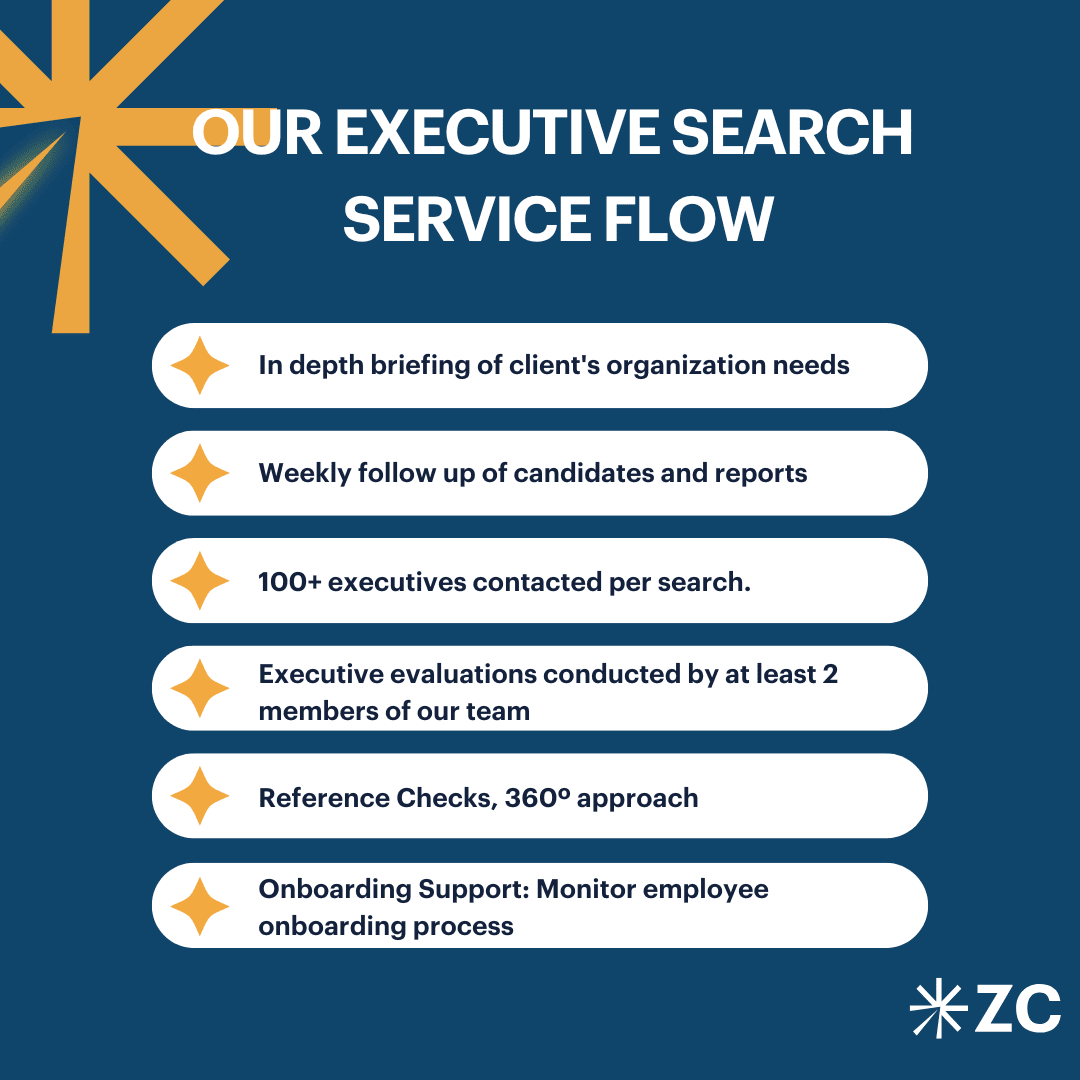
Hiring the right candidate for executive positions when entering a complex market like China is also a key factor to the success of the company. That is why it is highly recommended to hire an Executive Search firm with vast experience in the market.
Zavala Civitas Executive Search in China
In Zavala Civitas we specialize in the search of executives in China and, for more than two decades, we have walked alongside our clients supporting them in matters ranging, from Executive Search to broader Organizational Consulting. If you have already decided to move to the Chinese market we are ready to be your Talent and Organizational partner in China & East Asia. Click here to get in contact with us.