
Last updated: August 20, 2026
China remains one of the world’s most important luxury markets, but the leadership challenge is very different from the environment that shaped the sector during the pandemic.
The sharp domestic sales growth created by travel restrictions has normalised. Chinese luxury consumers are again travelling internationally, domestic purchasing is more selective and brands face greater pressure to justify premium pricing through product, service and emotional connection.
At the same time, China remains a major long-term growth market. McKinsey estimates China’s high-end market at approximately US$60 billion and expects it to expand by as much as 6% annually through 2030.
For Executive Search, the implication is important. The next generation of luxury leaders in China will need to manage recovery and transformation rather than simply replicate the expansion playbooks of the previous decade.
China’s Luxury Market in 2026: From Correction to Selective Recovery
Understanding the current market requires separating the exceptional pandemic period from the structural opportunity that remains.
Bain estimated that the mainland Chinese personal luxury goods market declined by 18%-20% in 2024, reflecting weaker consumer confidence and a return of luxury spending to international destinations.
That correction followed the artificial boost created when international travel restrictions redirected Chinese luxury expenditure towards the domestic market.
By 2026, the outlook is more balanced. McKinsey describes China as one of the luxury industry’s most important growth markets and estimates that its approximately US$60 billion high-end market could expand by as much as 6% annually through 2030.
Key Figures at a Glance
| Luxury Market Indicator | Latest Context | Source | Executive Search Implication |
|---|---|---|---|
| Mainland China personal luxury market correction | -18% to -20% in 2024 | Bain & Company | Leaders need experience managing selective consumers and resetting growth strategies rather than assuming continuous expansion. |
| China high-end market value | Approx. US$60bn | McKinsey, 2026 | China remains strategically material even after the post-pandemic market correction. |
| Potential China luxury growth through 2030 | Up to 6% annually | McKinsey, 2026 | The leadership challenge is to capture renewed growth without returning to indiscriminate expansion. |
| Hainan offshore duty-free sales, January-July 2026 | RMB21.6bn, +17.9% | Hainan Provincial Government | Domestic luxury purchasing remains linked to tourism, travel retail and experience-led consumption. |
The Pandemic Luxury Boom Should No Longer Define China Strategy
The original version of this article reflected an unusual period in China’s luxury market.
Travel restrictions redirected spending that Chinese consumers would previously have made in Paris, Milan, London, Tokyo or other international destinations towards mainland boutiques and domestic duty-free channels.
Those conditions generated exceptional domestic growth but were not a permanent structural feature of the market.
The historical chart from the original article is retained below as context for that period. It should be read as a representation of the pandemic-era market, not as a description of current luxury growth.
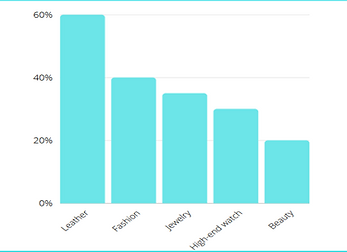
Bain’s later analysis confirms the extent of that transition. The mainland market’s 18%-20% decline in 2024 brought it back towards earlier levels as overseas spending recovered.
Executive Search should therefore avoid overvaluing candidates whose strongest achievements were produced mainly by pandemic-era market conditions without understanding what they personally changed as the environment normalised.
Chinese Luxury Consumers Are Becoming More Selective
Luxury demand in China is not disappearing. What consumers expect from luxury is changing.
McKinsey’s 2026 research, based on a survey of more than 2,000 luxury clients across China and the United States, found that emotional connection has become a leading driver of desirability.
For Chinese consumers, established luxury houses continue to benefit from trust, recognition and brand authority. However, high prices and heritage alone are not sufficient to create desire.
Consumers increasingly expect brands to make them feel recognised through personal service, relevant experiences and relationships that extend beyond the transaction.
This changes what companies should look for in senior commercial and general-management executives. Managing a prestigious brand is not enough. Leaders need evidence of understanding why consumers choose it and how that desirability can be protected as expectations change.
Physical Stores Still Matter in China’s Luxury Market
Earlier digitalisation forecasts sometimes implied that luxury retail would increasingly migrate away from physical stores.
The current consumer journey is more complex.
McKinsey’s 2026 research finds that physical stores remain a major source of luxury inspiration for Chinese consumers.
Private shopping, knowledgeable advisers, personalised service and the physical environment can all contribute to the emotional connection consumers associate with a brand.
This means senior retail executives should not be assessed simply on store expansion or sales productivity. Relevant experience increasingly includes clienteling, CRM, adviser capability, service design and the ability to understand the role each boutique plays in the wider customer relationship.
Digital Discovery and AI Are Reshaping Luxury Customer Journeys in China
Digital channels remain essential, but their role extends beyond e-commerce.
Luxury consumers increasingly discover, research and compare products across digital platforms before entering a boutique or making a purchase.
McKinsey reports that Chinese luxury consumers are already using AI tools during the exploration phase to compare specifications, assess quality and obtain product recommendations.
For luxury leadership, the strategic challenge is not to replace human interaction with automation. It is to determine where AI and digital technology improve discovery and confidence while preserving the personal relationship that creates premium value.
Hainan Duty-Free Is Again Relevant to China’s Luxury Strategy
Hainan was one of the largest beneficiaries of domestic luxury repatriation during the pandemic and subsequently experienced a significant correction as international travel resumed.
The latest data show renewed momentum.
From January to July 2026, Hainan offshore duty-free sales reached RMB21.6 billion, increasing 17.9% year-on-year.
The number of duty-free shoppers reached 3.11 million, up 11.9%.
The current strategy increasingly connects duty-free retail with tourism, events, entertainment and premium experiences.
For luxury companies, this reinforces the need for executives who understand travel retail as an ecosystem rather than simply another point of sale.
Which Luxury Leadership Profiles Are Becoming More Important in China?
The changing market affects several senior leadership functions.
China CEO or General Manager
The mandate increasingly requires balancing global brand governance with local consumer insight, P&L discipline and decisions about which channels, cities and customer segments deserve investment.
Retail Director
Store leadership now extends beyond footprint management. Clienteling, adviser quality, productivity, local activations and the ability to convert boutiques into differentiated brand experiences are increasingly important.
CRM and Client Development Leadership
As exclusivity becomes more closely connected to recognition and personalised attention, organisations need leaders capable of using customer intelligence without reducing the relationship to automated marketing.
Digital and Omnichannel Leadership
The strongest digital executives increasingly need to understand how content, social commerce, AI discovery, e-commerce, CRM and stores interact rather than optimise each platform independently.
Merchandising and Commercial Leadership
A more selective market places greater pressure on assortment, pricing, allocation and inventory decisions. Leaders need to protect desirability while responding to changing local demand.
Executive Search Should Distinguish Brand Exposure from Transformation Ownership
Luxury resumes can be particularly difficult to interpret because the reputation of the employer can easily overshadow the individual’s contribution.
An executive who worked for a rapidly growing maison during a favourable market cycle may appear stronger on paper than someone who successfully repositioned a smaller business during more difficult conditions.
Executive Search should therefore investigate questions such as:
- Did the candidate inherit growth or create it?
- Did they redesign the store network or simply operate it?
- Did they change the clienteling model or inherit an established CRM system?
- Did they personally decide how digital and physical channels should interact?
- How did they respond when demand slowed?
- Did they protect brand equity when short-term sales opportunities conflicted with long-term positioning?
- What level of autonomy did they actually hold within the global organisation?
These questions produce significantly more useful evidence than relying on brand name, title or tenure alone.
How Executive Search for Luxury Leaders in China Should Be Structured
The search should begin with the commercial and brand transformation rather than a list of competitor companies.
For example, the company may need to recover growth, improve boutique productivity, strengthen clienteling, enter lower-tier cities, rebuild digital engagement or reconnect Chinese operations with global brand strategy.
Each situation creates a different candidate universe.
Relevant talent may sit within direct competitors, but also within premium retail, beauty, hospitality, travel retail or other sectors where executives have managed comparable high-value customer experiences.
Our related analysis of Executive Search for CEOs in China’s Consumer, Retail & Luxury sector explores the CEO mandate in greater detail.
Zavala Civitas Executive Search in China’s Luxury Market
Zavala Civitas supports luxury, retail and consumer organisations in identifying senior leaders across China and international markets.
Our Consumer, Luxury & Retail Executive Search practice focuses on leadership mandates where brand stewardship, commercial performance, consumer understanding and organisational transformation need to operate together.
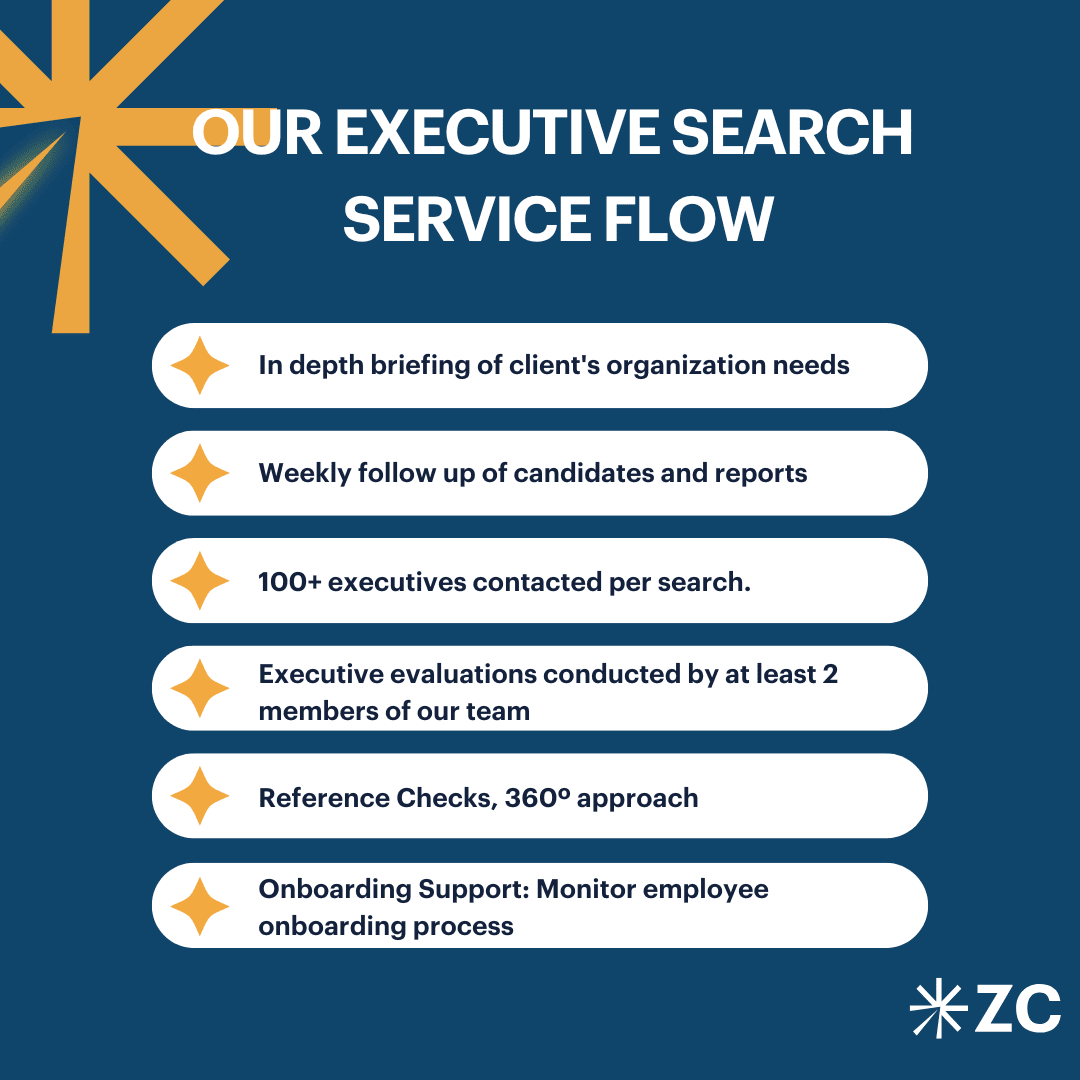
The broader Executive Search methodology begins by defining the role and critical success factors, mapping the relevant market, directly identifying candidates, conducting structured assessment and validating finalists through references.
Frequently Asked Questions: Luxury Market and Executive Search in China
China’s luxury opportunity remains significant, but the leadership playbook has changed.
Zavala Civitas supports luxury, retail and consumer organisations in identifying executives capable of protecting brand value while building the next phase of growth in China.
Executive Search → Consumer, Luxury & Retail → Contact Us →