
Last updated: August 20, 2026
China remains one of the world’s most strategically important consumer markets, but the leadership challenge has changed considerably from the high-growth assumptions that shaped the sector a few years ago.
Growth is now more uneven across categories and channels. Consumers are moving between physical stores, digital platforms, experiences and services, while premium and luxury brands face greater pressure to justify desirability, exclusivity and value.
For Executive Search, this means the ideal CEO profile should not be defined only by years of retail or luxury experience. The relevant question is whether the executive has successfully led a comparable consumer, channel and brand transformation.
Executive Search for CEOs in China’s Consumer, Retail & Luxury Market
China’s consumer market continues to expand, but at different speeds across goods, services and online channels.
In the first half of 2026, total retail sales of consumer goods reached RMB 24.8722 trillion, up 1.3% year-on-year.
During the same period, online retail sales of goods and services reached RMB 10.0715 trillion, increasing 5.2%, while retail sales of services rose by 5.3%.
This creates a more complex CEO mandate than a simple market-growth story. Leaders need to understand where consumption is accelerating, where consumers are becoming more selective and which capabilities should receive investment.
Key Figures at a Glance
| China Consumer Indicator | Latest Data | Source | CEO Implication |
|---|---|---|---|
| Total retail sales of consumer goods, H1 2026 | RMB 24.8722tn, +1.3% | National Bureau of Statistics | CEOs need disciplined portfolio and category decisions rather than assuming uniform market growth. |
| Online retail sales of goods and services, H1 2026 | RMB 10.0715tn, +5.2% | National Bureau of Statistics | Digital commerce remains a faster-moving channel and requires strong omnichannel and data capabilities. |
| Retail sales of services, H1 2026 | +5.3% | National Bureau of Statistics | Experience-led consumption is becoming more relevant to how retail and luxury leaders allocate resources. |
| Forecast annual growth of China’s luxury market through 2030 | Approx. 4%-6% | McKinsey, 2026 | Luxury growth opportunities remain significant, but CEOs need to manage a more selective and experience-driven consumer. |
China’s Luxury Consumer Is Redefining What Creates Brand Value
Luxury leadership in China is also changing because the consumer definition of desirability is evolving.
McKinsey’s 2026 research, based on a survey of more than 2,000 luxury clients in China and the United States, found that emotional connection is becoming a leading driver of brand desirability.
For Chinese luxury consumers specifically, established brands still benefit from trust, recognition and brand authority, but exclusivity is increasingly connected to high-touch service, personalised attention and relationships rather than scarcity alone.
The physical store therefore remains strategically important. McKinsey describes stores as a major source of luxury inspiration in China and emphasises the role of private shopping, knowledgeable advisers and personalised service in creating emotional connection.
For CEO assessment, this creates a useful question: has the executive managed a business where stores were treated simply as distribution points, or as part of the brand and client experience?
Omnichannel Leadership Is More Important Than E-Commerce Experience Alone
The original debate around Chinese retail often focused on whether online commerce would replace physical stores.
That distinction is now too simple.
Digital channels influence discovery, comparison, engagement and purchasing, while physical stores can remain crucial for service, trust, storytelling and conversion.
China’s online retail sales of goods and services increased by 5.2% in the first half of 2026, demonstrating continued digital momentum.
The CEO challenge is therefore to integrate the channels rather than choose between them.
AI Is Becoming Part of Consumer Discovery in China
Artificial intelligence is beginning to change how consumers discover and evaluate products.
McKinsey’s 2026 luxury research found that consumers in China are already using AI tools to compare product specifications, assess quality and receive recommendations during the exploration phase of the purchasing journey.
Chinese policy is also encouraging this direction. In June 2026, authorities released 17 measures to accelerate “AI plus consumption”, including smart retail, AI-enabled e-commerce and new consumer experiences.
For CEOs, the issue is not whether the company uses AI. It is where AI improves conversion, personalisation, customer understanding or operating efficiency without damaging the human experience that may still define the brand.
What Executive Search Should Assess in a Consumer, Retail or Luxury CEO in China
Brand Stewardship
In premium and luxury businesses, CEOs need to protect long-term brand equity while still delivering commercial performance.
Candidates should be able to explain where they resisted short-term volume opportunities because those decisions would have weakened pricing, positioning or desirability.
Consumer Insight
The CEO should understand how consumer behaviour differs by category, city, generation and spending level rather than relying on a single description of the Chinese consumer.
Omnichannel Execution
Relevant experience includes integrating stores, digital commerce, social platforms, CRM and clienteling into one coherent customer journey.
P&L and Portfolio Discipline
The leader needs to distinguish which products, formats, locations and consumer segments are creating value and where capital or operating resources should be reduced.
Digital and AI Judgement
CEOs do not need to be technology specialists, but they increasingly need enough digital understanding to challenge investment cases, interpret customer data and determine how AI should alter marketing, discovery and service.
Local Execution and Global Brand Governance
For international brands, the China CEO often needs to adapt global strategy to local consumer realities while preserving the identity, standards and governance expected by headquarters.
China’s Consumer Strategy Is Also Shifting Towards Experiences and Services
China’s national consumption strategy reinforces the importance of looking beyond physical goods.
The country’s first dedicated five-year consumption plan targets approximately RMB 60 trillion in total retail sales of consumer goods by 2030.
The plan also places explicit emphasis on services, digital consumption, green consumption, tourism, experiences and new consumption scenarios.
For consumer and retail CEOs, this reinforces the need to think about the brand as part of a wider ecosystem of products, experiences and services rather than a collection of standalone transactions.
How to Executive Search for the Right CEO in China’s Consumer, Retail & Luxury Sector
A CEO search should begin by defining the commercial transformation rather than starting with a list of famous brands where candidates should have worked.
Boards should first clarify:
- Is the business focused on market entry, growth, turnaround or brand repositioning?
- Does the CEO need to increase store productivity, digital growth or both?
- How important are luxury clienteling and high-touch service to the business model?
- Which consumer segments currently create the greatest value?
- What level of local autonomy does the China CEO have?
- Does the organisation need a brand custodian, transformation leader or a combination of both?
Once that mandate is defined, candidate mapping can extend beyond exact-brand matches to executives who have led comparable channel, consumer or brand transformations.
Zavala Civitas Executive Search for Consumer, Luxury & Retail in China
Zavala Civitas supports organisations in identifying senior executives across consumer, retail and luxury businesses.
Our Consumer, Luxury & Retail Executive Search practice focuses on leadership mandates where commercial performance needs to be combined with brand, consumer and organisational understanding.
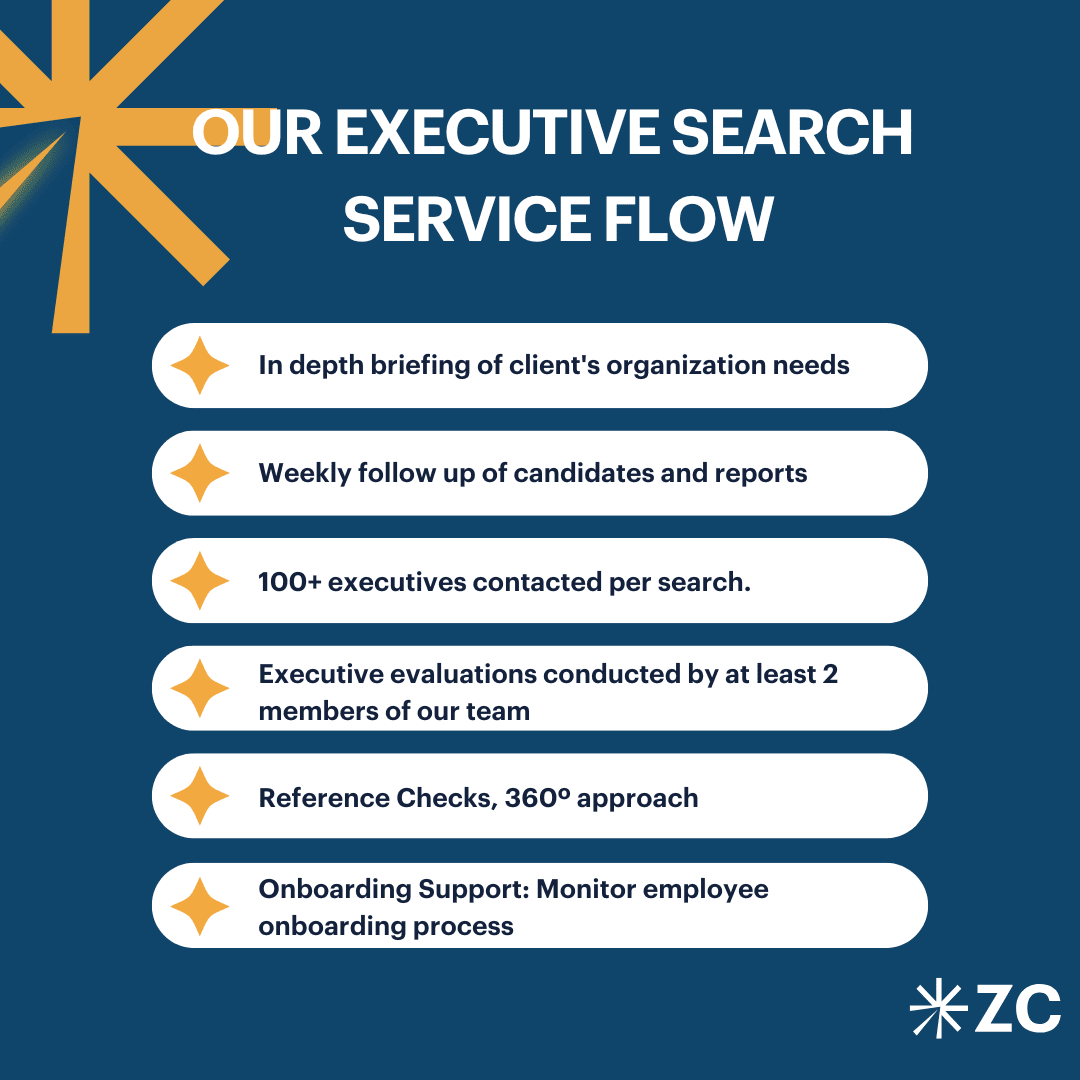
The broader Executive Search methodology begins by defining the role and critical success factors, mapping the relevant market, directly identifying candidates, conducting structured assessment and validating finalists through references.
Frequently Asked Questions: CEO Executive Search in China’s Consumer, Retail & Luxury Sector
China’s consumer market does not need one growth playbook. It needs leaders who know where growth is actually coming from.
Zavala Civitas supports organisations in identifying CEOs and senior leaders capable of combining brand stewardship, omnichannel execution and commercial performance in China.
Executive Search → Consumer, Luxury & Retail → Contact Us →