
Last updated: August 20, 2026
Legal, Risk & Compliance leadership in China has become substantially more complex. The country’s legal profession has expanded rapidly, while organisations are simultaneously facing greater requirements around data protection, anti-money laundering, cybersecurity, cross-border activity and corporate governance.
China currently has 830,000 lawyers and approximately 45,000 law firms, according to the Ministry of Justice. This is significantly larger than the legal market described when this article was originally written.
However, a larger legal profession does not automatically make senior Legal, Risk & Compliance appointments easier. Executive roles often require a specific combination of technical expertise, commercial judgement, leadership capability and experience operating within increasingly interconnected regulatory frameworks.
For Executive Search, the relevant question is therefore not simply whether a candidate understands Chinese law. It is whether that executive can translate regulation into practical business decisions while maintaining appropriate governance and risk control.
Legal, Risk & Compliance Leadership in China
China’s legal services market has continued to professionalise and internationalise. The Ministry of Justice reported in 2025 that Chinese law firms had established 207 overseas branches across 37 countries and regions.
This matters for executive appointments because legal and compliance leadership increasingly sits at the intersection of domestic regulation and international business.
A General Counsel, Chief Compliance Officer or senior risk executive in China may need to manage domestic regulatory obligations while also responding to headquarters requirements, international transactions, cross-border data flows and governance expectations from boards and investors.
Key Figures at a Glance
| Indicator | Current Position | Source | Leadership Implication |
|---|---|---|---|
| Lawyers in China | 830,000 | Ministry of Justice, 2025 | The legal talent market is large, but specialised senior combinations of legal, regulatory and leadership experience remain much narrower. |
| Law firms in China | 45,000 | Ministry of Justice, 2025 | Market mapping needs to go beyond a small set of international firms and consider a much broader professional ecosystem. |
| Chinese law firm branches overseas | 207 branches in 37 countries and regions | Ministry of Justice, 2025 | Cross-border legal and regulatory capability is becoming increasingly valuable in senior leadership profiles. |
| Revised Anti-Money Laundering Law | Effective 1 January 2025 | National People’s Congress | Compliance leadership increasingly needs to translate evolving regulatory obligations into controls, governance and operational processes. |
Why Legal and Compliance Roles Are Becoming More Strategic in China
Legal functions have traditionally been associated with contracts, disputes and regulatory interpretation. Those responsibilities remain important, but senior legal leadership increasingly contributes directly to strategic decision-making.
Zavala Civitas’ Legal, Risk & Compliance practice reflects this evolution: the function increasingly covers corporate governance, risk management, compliance programmes, data privacy, anti-bribery, anti-money laundering and emerging regulatory risk.
This creates a broader leadership mandate. The strongest legal executive is not necessarily the person who knows the greatest number of regulations. Senior leaders need to understand how those regulations affect investment, operations, technology, transactions and reputation.
Data Protection Is Now a Core Compliance Capability
Data governance has become particularly important for organisations operating in China.
China’s Personal Information Protection Law regulates the collection, storage, use, transmission, provision and deletion of personal information and also includes provisions relating to cross-border processing.
The Data Security Law separately establishes obligations around data processing, data classification, security management and risk controls.
For legal and compliance leaders, the challenge is therefore increasingly operational. They may need to work closely with IT, cybersecurity, HR, commercial teams and headquarters to determine what information can be collected, where it can be stored, how it is shared and which controls are necessary.
Anti-Money Laundering Responsibilities Have Also Expanded
China’s revised Anti-Money Laundering Law was adopted in November 2024 and came into force on 1 January 2025.
The law is particularly relevant to compliance leadership because it reinforces a risk-based anti-money laundering framework and defines obligations for financial institutions as well as certain designated non-financial institutions.
The legislation specifically includes law firms, accounting firms and notarial institutions when they perform certain specified transactions for clients, including activities involving real estate, management of assets or accounts and the establishment or operation of business entities.
This illustrates why compliance expertise increasingly needs to be evaluated as a practical leadership capability rather than simply familiarity with legal texts.
Confidentiality in Legal, Risk & Compliance Executive Search
Confidentiality is particularly important when recruiting senior legal, risk and compliance executives.
Candidates may have access to investigations, litigation, regulatory correspondence, board discussions, internal controls, personal information or commercially sensitive transactions. A search process should therefore avoid requesting or circulating information that candidates are not entitled to disclose.
Confidentiality also applies to candidate information itself. Under China’s Personal Information Protection Law, personal information processing must follow principles including legality, necessity and appropriate purpose. The law protects information relating to identified or identifiable natural persons and governs activities including collection, storage, use, transmission and disclosure.
Executive Search firms therefore need disciplined processes around candidate information, consent, access and cross-border data handling.
What to Assess in Legal, Risk & Compliance Executives in China
Technical Regulatory Expertise
Candidates need sufficient expertise in the regulations relevant to the organisation’s sector, including the ability to identify where specialist external legal advice is required.
Business Judgement
Strong legal leaders need to understand the commercial consequences of their advice. The goal is not simply to identify risk, but to help decision-makers understand which risks can be mitigated, which can be accepted and which require a different course of action.
Data and Technology Governance
Data protection and cybersecurity increasingly require collaboration between Legal, Compliance, Technology and Human Resources. Executives need to be able to operate across those functions rather than treating data governance as a purely legal issue.
Cross-Border Capability
Multinational organisations may need executives who can explain Chinese regulatory requirements to international headquarters while also translating global governance standards into workable local processes.
Influence and Independence
Legal and compliance executives need sufficient independence to challenge senior decision-makers while maintaining the relationships necessary to influence them. This balance becomes particularly important when commercial pressure conflicts with regulatory or reputational risk.
Executive Search Strategies for Legal, Risk & Compliance in China
Executive Search in this function should begin by defining the regulatory and business environment surrounding the role rather than simply producing a list of legal qualifications.
Relevant questions can include:
- Which regulatory exposures create the greatest business risk?
- Does the executive need to lead a legal function, compliance function, risk function or a combination?
- How much interaction will the position have with the board and international headquarters?
- Does the mandate involve investigations, data governance, M&A, litigation or regulatory transformation?
- What decisions must the executive be able to influence across the organisation?
This definition allows market mapping to focus on professionals who have already operated within comparable regulatory and organisational complexity.
Our Legal, Risk & Compliance Executive Search practice focuses on leaders who combine technical expertise with strategic vision, governance capability and ethical leadership.
Executive Search for Legal, Risk & Compliance Leadership in China
At Zavala Civitas, the search begins with the business and regulatory mandate behind the appointment.
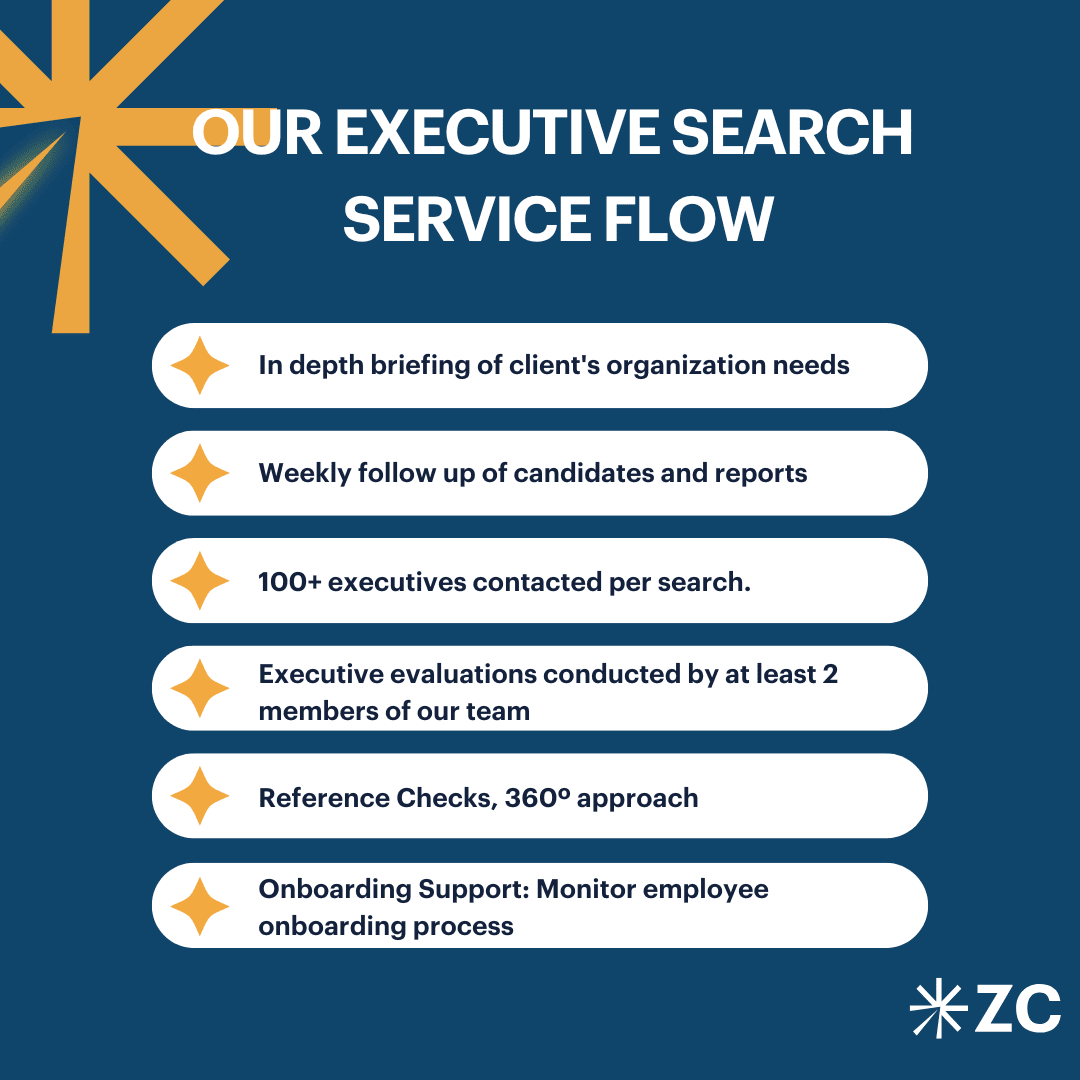
Our Executive Search methodology combines market mapping, direct candidate identification, structured assessment, reference validation and support throughout the appointment process.
For Legal, Risk & Compliance positions, candidate assessment needs to test both technical expertise and the executive’s ability to influence business decisions, manage sensitive information and operate effectively across complex stakeholder environments.
Frequently Asked Questions: Legal, Risk & Compliance Executive Search in China
Legal and regulatory complexity requires leaders who can protect the business without disconnecting from it.
Zavala Civitas supports organisations in identifying and assessing senior Legal, Risk & Compliance leaders for complex mandates in China.
Executive Search → Legal, Risk & Compliance → Contact Us →