
The term “Executive Search” was first used between soldiers. Recruitment or ‘executive search’ began immediately following World War Two, when troops were allowed to recommend other soldiers with specific skill sets. Executive search has complexified itself since, as there are now companies only dedicated to finding executives who will contribute to the success of various companies, big and small. China is a hub for technology and innovation which has an inevitable effect on all sectors and jobs including the executive search industry. Major events in society have affected executive search ranging from COVID19 to AI. Executive search partners in China need to look at the new innovative ways of recruiting and how to maximise the tools the new generation has handed us all.
COVID in China as well as the rest of the world created a virtual barrier between clients and executive search companies, which was a drastic change. Less formal meetings in restaurants or in coffee shops, where Executive search partners could create a relationship with candidates and clients beyond just a service was made impossible and many people struggled to adapt to meeting through a screen.
Nevertheless, people have since learnt to use this unfortunate period as a learning curve and it has since revolutionised business and the way they function with the help of technology and innovative solutions to some of the problems faced.
Landscape in China
- Virtual meetings
Everyone in China who had a job that involved weekly meetings had to shift to some form of video conference, something that was used before the pandemic but nowhere near as much. After the virus, many people still continue to use this and it can be used for Executive search partners who will be looking for talent all over the world, many people are not available to always meet face to face, able to travel and spend time out of their day to have a meeting somewhere other than the office. Even if this has its peaks, executive search companies in China can now maximise their success by having meetings back-to-back in the office or even in their own home. This is a positive for the Executive search partners who can therefore meet with a larger number of people, but it is also good for the client and the companies involved as they will have a higher number of candidates with thorough background checks in a shorter amount of time.
- Work from home
Work from home was a consequence of lockdown in China, experiencing a much more difficult lockdown compared to other countries. Empty offices all over the world made it look like the business world had become non-existent, it was predicted that work culture would be lost and a sense of community too. Nevertheless, society pulled through and work from home remained after COVID, as of June 2022, around 460.7 million Chinese employees had used online services to work from home, accounting for approximately 43.8 percent of the Chinese internet user base. After two years of on-and-off lockdowns due to the coronavirus outbreak, China’s appetite for remote working remains strong. It can be helpful to families with young children, it helps with sickness as well as many other factors. Specific to executive search it aids people to be in a relaxed setting, if there is a confidentiality clause involved in an executive search it is a lot easier for a candidate to have a meeting in the safety of their own home in order to have a truly honest call and not be in their current office.
- Social media
Another progression in executive search in China that has changed in the recent years is the use of media platforms to look into candidates and make efficient background checks. The use of platforms like Maimai and Xing that have been compared to Linkedin have changed the face of executive search, it has made important information about clients and candidates available to Executive search partners before initial interviews and saves both parties a lot of time. Some executive search companies who do not find the relative information on platforms such as these may look into more personal platform for a picture or other minor information.
dri
- AI (Artificial Intelligence)
Executive search has also been affected by AI, nothing compares to the human component of executive search, yet for smaller roles that do not fall under “executive search” there are certain websites that use AI to help people who are looking for jobs. This was never the case before but it helps companies not waste time on smaller roles and it is also easier for the candidates to be able to prove themself first to a computer in the first round so no parties lose time in their respected searches.
Executive Search Services in China
In conclusion, unpredictable disasters such as COVID19 have had an unprecedented effect on the working world, but thankfully companies were able to maximise the consequences to their most efficient potential. On the other hand, technology such as media platforms and AI have revolutionised the way we communicate between us and beforehand how we communicate our image to others.
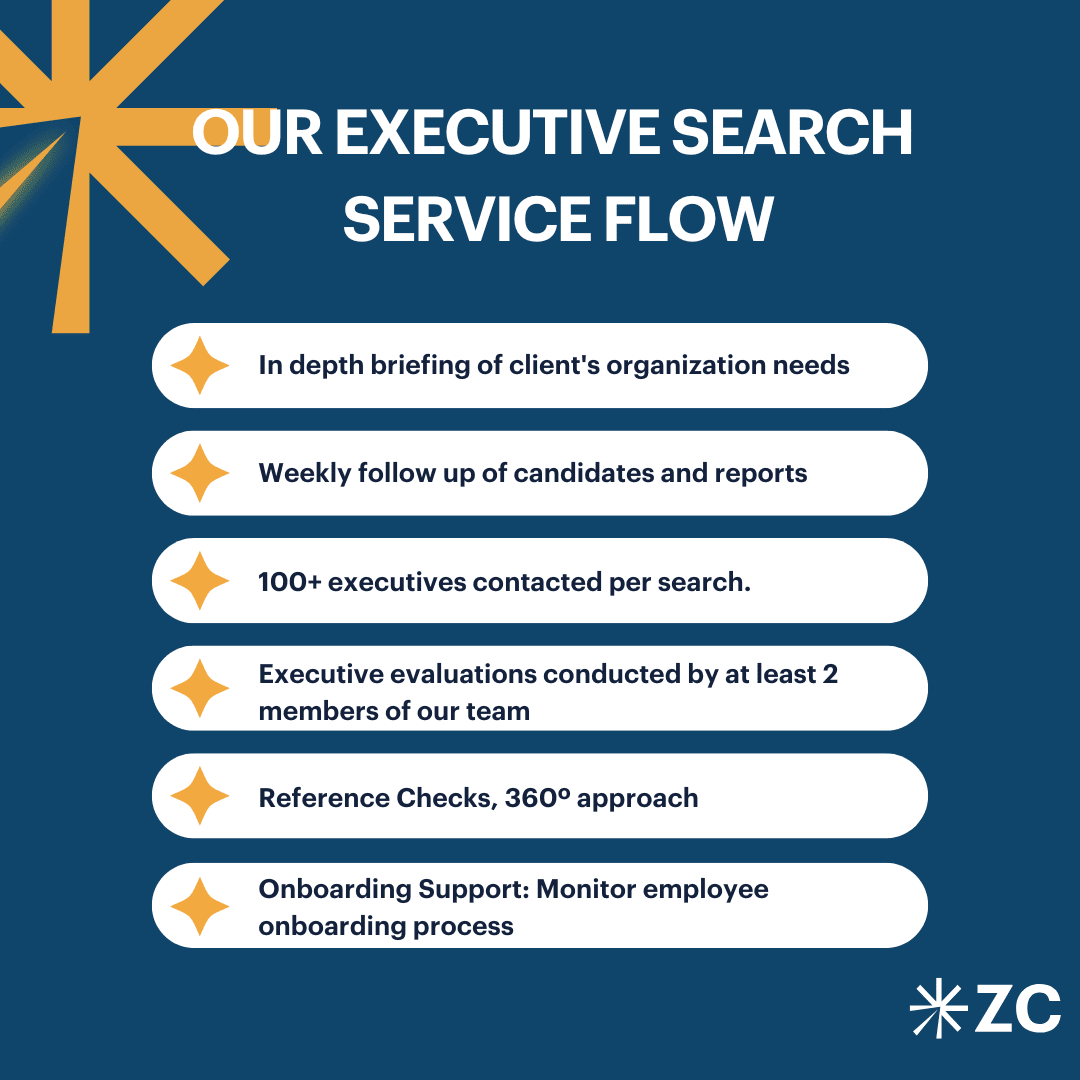
If your organisation is rethinking how leadership is identified, assessed and developed, our Executive Search team can support you through innovative, data-driven and insight-led approaches. Contact us to discuss how executive search can evolve alongside your strategic priorities