Key Takeaway: Environmental performance in China has become increasingly relevant to corporate governance, compliance and leadership decision-making. Environmental disclosure obligations apply to specific categories of companies, while the national carbon market expanded significantly in 2025 to include steel, cement and aluminium smelting alongside power generation. By the end of 2025, 3,378 key emitters were covered by carbon quota management. For executive search, this means environmental knowledge can be increasingly relevant when assessing leaders in regulated, industrial and carbon-intensive sectors.
Last updated: August 13, 2026
China has been working to become an ecological civilization for almost 20 years now. This has a direct impact on business, with specific categories of companies required to disclose environmental information under China’s environmental information disclosure framework.
Companies in China that are not updated on this matter or do not follow these measures may have problems.
Environmental status of companies in China executive search
The information to be disclosed includes:
- “Environmental administrative licenses”.
- Information on environmental taxes and environmental credit ratings.
- Carbon emissions data.
- Provisional disclosures of significant market and time-sensitive data.
China’s environmental disclosure framework is more specific than a general obligation applying identically to every company. Under the
Ministry of Ecology and Environment’s disclosure measures, covered entities include key pollutant-discharging units, companies subject to mandatory clean production audits and certain listed or bond-issuing companies. Required annual information can include environmental permits, environmental protection tax, pollutant emissions, carbon emissions, emergency information and environmental violations.
Throughout these regulatory requirements, it would be easier for companies in China to follow these rules by having a clear, practical guidance and for executive search firms to have standardized ways of measuring it. This subject concerns Chinese executive search firms because it is important that transparency is provided to all candidates, as well as related information on how this may or may not affect the future of the company.
Executive Search in China
As an executive search firm with over 7 years in China, we find out that knowing the company’s good sustainability status helps you not only to know if there might be some legal problems in the future but also is a sign of health in many areas of the company.
Sustainability and environmental health in companies:
- Improve trust and engagement between staff, investors, customers, and other stakeholders.
- Attracts and retains employees.
- Builds credibility, improves relationships, and enhances brand awareness.
- Reinforces Community Relationships.
- Encourages innovation that benefits other measures.
- Provide better understanding of customers.
Environmental performance is also becoming more operationally relevant as China’s carbon market expands. Steel, cement and aluminium smelting were added to the national carbon market in 2025, and by year-end
3,378 key emitters were subject to carbon quota management. China intends to extend the market to all major industrial sectors by 2027. For executive search, environmental competence may therefore become increasingly relevant for CEOs, COOs, CFOs, sustainability leaders and operational executives responsible for investment, compliance and industrial transformation.
We are Zavala Civitas Executive Search. We have walked alongside our clients, supporting them in matters ranging from Executive Search to broader Organizational Consulting. We are ready to be your talent and Organizational partner in China & East Asia. We are ready to tackle new challenges and risks with your firm. Click here to get in contact with us.
Frequently Asked Questions: Environmental Status and Executive Search in China
Do all companies in China have the same environmental disclosure obligations?
No. China’s environmental information disclosure rules identify specific categories of companies that must disclose information under the national framework. These include key pollutant-discharging entities, enterprises subject to mandatory clean production audits and certain listed or bond-issuing companies that meet defined conditions.
What environmental information may covered companies need to disclose in China?
Required annual information can include environmental administrative permits, environmental protection tax, environmental credit information, pollutant generation and emissions, carbon emissions, environmental emergency information and environmental violations. Additional requirements depend on the type of company and its regulatory status.
How large is China’s national carbon market?
In 2025, 3,378 key emitters were included in carbon quota management. Carbon allowance trading reached 235 million tonnes during the year, with total turnover of RMB 14.63 billion.
Why does environmental performance matter when recruiting executives in China?
Environmental regulation can affect operating costs, investment decisions, industrial strategy, corporate reputation and compliance risk. In regulated or carbon-intensive industries, companies may therefore need executives who can integrate environmental requirements with operational, financial and strategic decision-making.
How does Zavala Civitas assess executives for environmentally sensitive sectors in China?
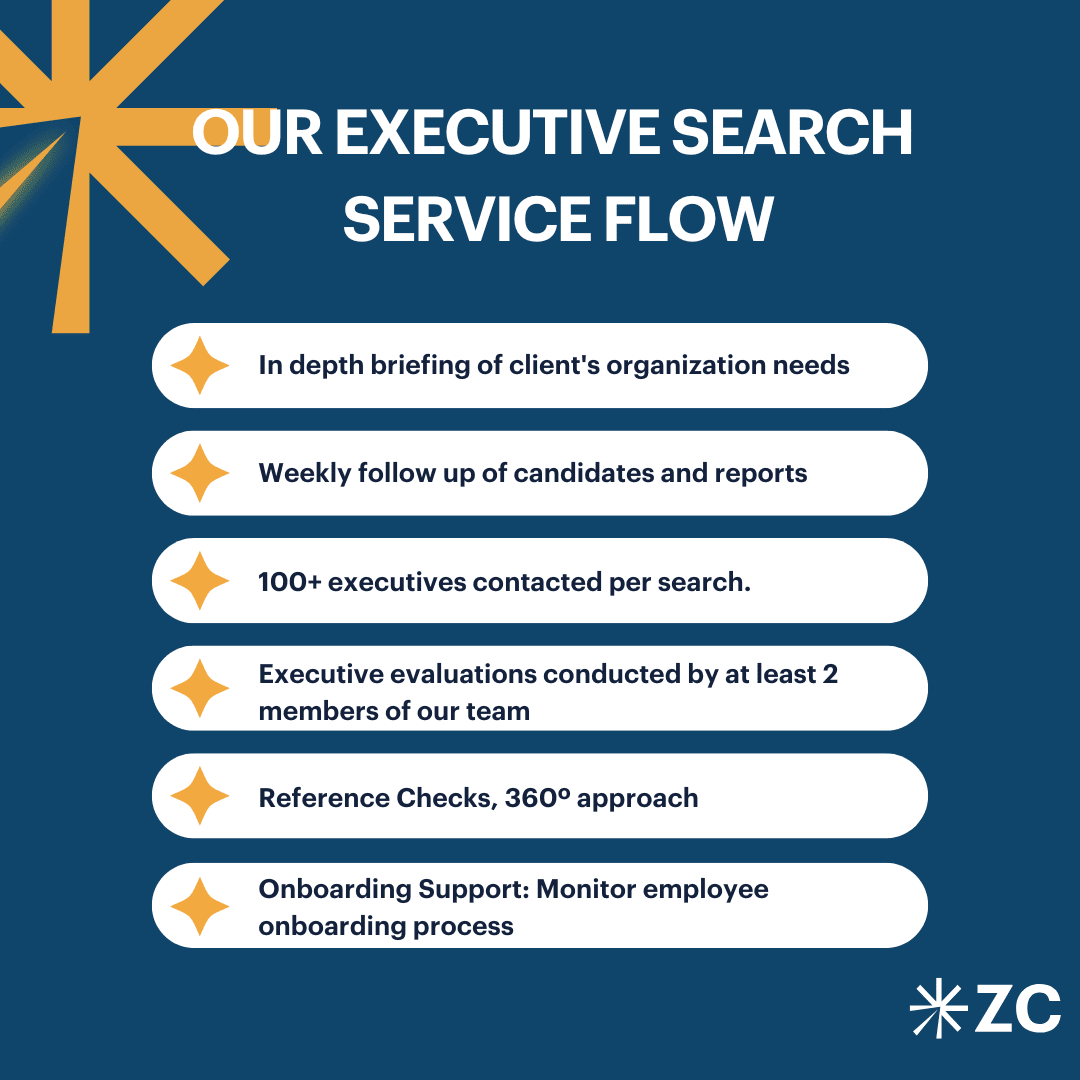
Zavala Civitas defines the leadership mandate according to the company’s sector, strategy and regulatory environment before mapping and assessing relevant executives. The process can evaluate sector expertise, operational leadership, compliance awareness, transformation capability and organisational fit. Zavala Civitas has a 92% executive search closing rate.
Looking for leaders who can navigate China’s changing environmental landscape?
Zavala Civitas helps organisations identify and assess senior executives capable of combining business performance, regulatory awareness and organisational transformation in China. 92% closing rate.
Executive Search → Executive Search in China → Contact Us →