China’s automotive industry has expanded dramatically in recent years, becoming the world’s largest market in both vehicle production and sales. This rapid growth, driven by technological innovation, electrification, and global expansion, has significantly increased demand for experienced executive talent. As competition intensifies, executive search has emerged as a critical strategy for automotive companies seeking to secure senior leaders capable of navigating complexity and transformation.
This article explores the role of executive search in China’s automotive industry, highlighting the key drivers behind its growth, current talent challenges, and emerging market trends.
The Growth of China’s Automotive Industry and Its Impact on Executive Search
China’s automotive sector continues to evolve at an unprecedented pace. Advances in electric vehicles (EVs), autonomous driving technologies, digitalization, and supply-chain optimization have reshaped leadership requirements across manufacturers, suppliers, and mobility players.
As innovation accelerates, companies increasingly require executives who combine technical expertise with strategic vision and operational discipline. This shift has elevated executive search from a transactional hiring tool to a strategic leadership acquisition mechanism within the industry.
What Executive Search Means in the Chinese Automotive Context
Executive search is a proactive and targeted approach to identifying and recruiting highly qualified senior leaders for critical roles. Unlike traditional recruitment methods, executive search focuses on mapping the market, assessing leadership capability, and discreetly engaging executives with the experience and judgment required for high-impact positions.
In China’s automotive industry, executive search plays a particularly important role due to the sector’s speed, scale, and increasing global integration.
Why Executive Search Is Becoming Essential in China’s Automotive Industry
In a highly competitive talent environment, automotive companies can no longer rely solely on internal pipelines or reactive hiring strategies. Executive search enables organizations to access a broader and deeper pool of senior talent, including leaders with experience in advanced manufacturing, new mobility, digital transformation, and international operations.
As a result, executive search has become a crucial tool for automotive companies aiming to strengthen leadership teams and sustain long-term competitiveness.
Key Drivers Behind the Rising Demand for Executive Search
Growing Demand for Specialized Talent
China’s automotive transformation is being driven by electrification, intelligent vehicles, and data-driven technologies. This evolution has increased demand for executives with expertise in areas such as EV engineering, artificial intelligence, data analytics, and complex supply-chain management.
Shortage of Qualified Automotive Executives
Despite strong demand, the industry faces a shortage of experienced senior leaders with the required combination of technical knowledge, leadership maturity, and global exposure. This scarcity has intensified competition for talent and significantly increased executive search activity across the sector.
The Importance of International Experience in Automotive
As Chinese automotive companies expand beyond domestic markets, there is a growing emphasis on hiring executives with international experience. Leaders with cross-cultural competence, global governance exposure, and experience managing multinational operations are increasingly sought after.
Executive search firms play a key role in identifying executives capable of operating effectively across borders and managing the complexity of global automotive value chains.
Executive Search Market Growth and Industry Data in China
The growing importance of executive search is reflected in market data. In China, the number of executive search firms specializing in the automotive industry has increased by more than 30% over the past two years, signaling rising demand for specialized leadership recruitment services.
Additionally, approximately 45% of Chinese automotive companies now rely on executive search firms to fill senior-level positions, underscoring the strategic value of this approach in securing high-impact executive talent.
Challenges in Automotive Executive Search: Cultural Fit and Leadership Alignment
While executive search firms excel at identifying candidates with the required skills and experience, assessing cultural fit remains a critical challenge. Automotive organizations must ensure that executives align with corporate values, leadership style, and governance expectations to foster sustainable performance and a healthy organizational culture.
A rigorous executive search process therefore combines capability assessment with cultural and behavioral evaluation.
Conclusion: The Strategic Role of Executive Search in China’s Automotive Future
In China’s rapidly evolving automotive industry, executive search has become an indispensable strategy for identifying, attracting, and securing senior leadership talent. As technological disruption accelerates and competition for qualified executives intensifies, the role of executive search is expected to grow further.
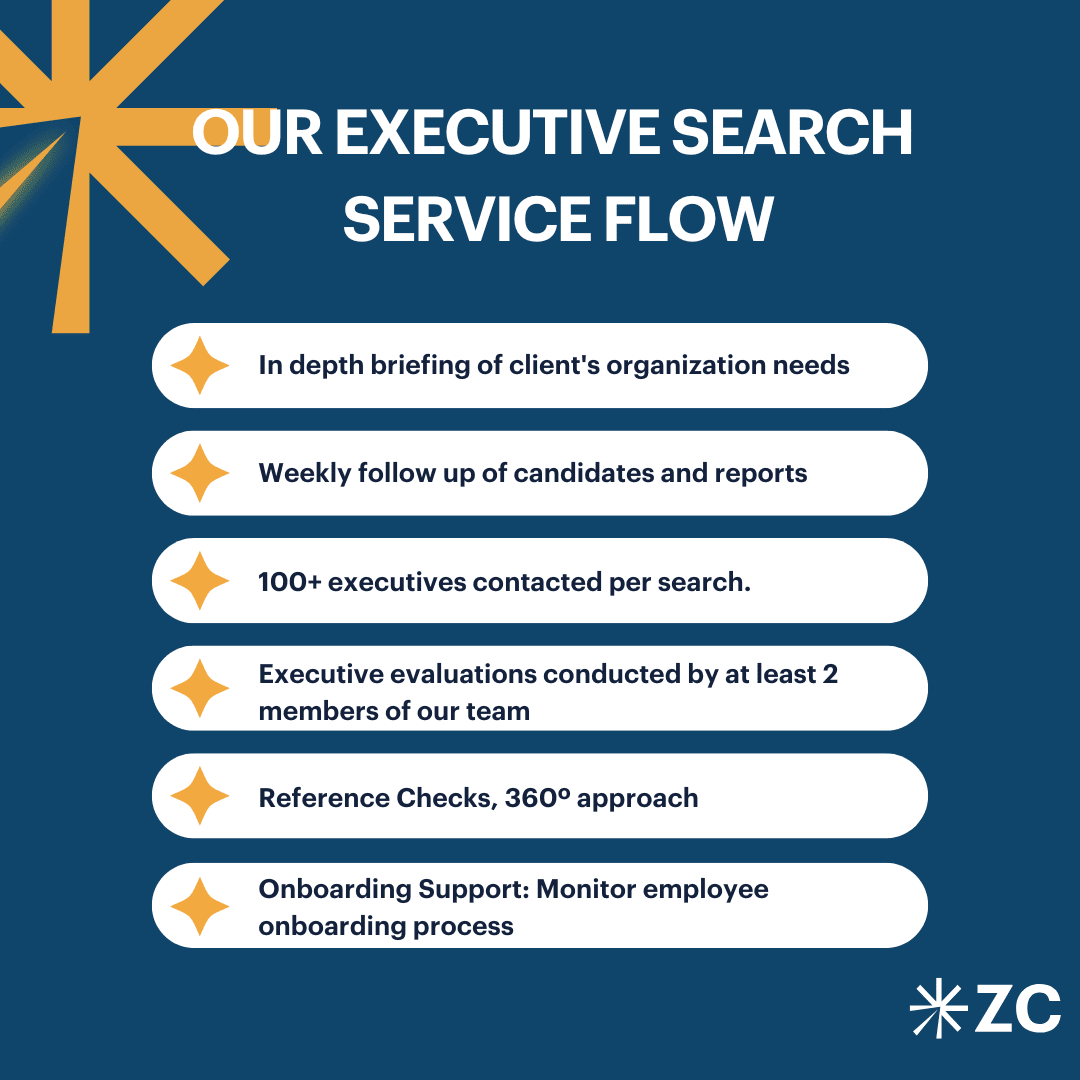
By supporting automotive companies in addressing leadership shortages and succession risks, executive search firms are helping shape the executive talent landscape that will drive China’s future mobility and industrial transformation. Click here to learn more about our services.