
Executive Search in Brazil: Education & Nonprofit Sectors 

Key Takeaway: Brazil’s education sector has 47.3 million students and over 2,500 higher education institutions; online enrolment grew 44% in 2023. Its nonprofit sector has 820,000 registered organisations — doubled over two decades — with 78% of large Brazilian companies now engaged in CSR initiatives. In both sectors, the leadership constraint is not strategy or capital. It is the scarcity of executives who combine sector mission literacy with the commercial governance capability that scale and institutional partnership now require.

Last updated: August 13, 2026

Brazil’s education and nonprofit sectors play a crucial role in shaping the country’s social and economic landscape. Nevertheless, challenges persist — education gaps, insufficient funding, bureaucratic procedures, and leadership deficits. Proper leadership that embraces innovation strategy and resource management is crucial for organisations whose missions depend on performance at scale, not merely on intention.

Key Figures at a Glance

Data point Finding Source
Brazil primary & secondary students / higher education institutions 47.3 million students / 2,500+ institutions Brazil Ministry of Education (MEC)
Online enrolment growth in Brazil (2023) +44% Brazilian EdTech market analysis, 2023
Registered nonprofits in Brazil 820,000+ — doubled over the last two decades Brazilian nonprofit sector data
Large Brazilian companies engaged in CSR initiatives (2024) 78% — creating corporate partnership opportunities for nonprofits Brazilian Business Institute, 2024

Challenges Facing Brazil’s Education Sector

1. Educational Inequality and Funding Issues

Despite being the largest education system in Latin America, Brazil continues to struggle with quality and access disparities. Schools in the public sector, particularly in low-income areas, are budget constrained, while private sectors are increasingly competitive and the student population is diversifying.

Key challenges include unequal access to quality between urban and rural areas, insufficient government funding for public schools and universities, and the gap between higher education and job market needs — a gap that requires educational leaders who can navigate both the policy environment and the labour market simultaneously.

2. The Rise of Digital Learning and EdTech

Technology is reshaping education worldwide, and Brazil is no exception. The pandemic accelerated digital adoption, pushing universities, schools, and training institutions to embrace e-learning, hybrid models, and AI-driven platforms. Online enrolment in Brazil grew 44% in 2023 — reflecting an increased demand for EdTech solutions that requires leadership capable of managing the implementation, not just the vision.

Many organisations still lack leaders with the digital competency to implement these innovations effectively. Educational institutions require executives with digital skills to supervise transformation while ensuring quality and accessibility — a combination that standard academic leadership profiles rarely provide.

3. The Need for Policy and Reform Leaders

With changing government policies affecting the sector, institutions require leaders who understand public policy and regulatory frameworks. Executive search firms help identify candidates who can navigate these changes and advocate for progressive policies — combining the institutional credibility to engage government stakeholders with the operational leadership capability to implement what the policy environment makes possible.

The 44% growth in Brazilian online enrolment in 2023 is not primarily a technology adoption story — it is a leadership capability story. The universities and schools that successfully scaled digital learning did not do so because they had better technology than their peers. They did so because they had educational leaders who could manage the organisational change that digital adoption produces: the faculty resistance, the quality assurance challenges, the student experience gaps, and the financial model transformation that moving from physical to hybrid or digital delivery requires. Executive search that assesses those change management capabilities alongside digital fluency is the search that produces the leader who can sustain a 44% growth trajectory rather than simply initiating one.

Challenges Facing Brazil’s Nonprofit Sector

1. Funding and Financial Sustainability

Brazil’s nonprofit sector consists of more than 820,000 registered organisations, covering causes such as poverty alleviation, environmental conservation, and healthcare. However, many nonprofits struggle with financial sustainability due to reduced public and private funding in economic downturns, heavy reliance on international donors rather than local funding, and a lack of experienced leaders to develop financial sustainability strategies — the specific capability that converts a cause-driven organisation into an institution capable of delivering impact at scale.

2. Navigating Bureaucracy and Regulatory Compliance

Brazil’s complex legal framework for nonprofit organisations makes compliance challenging. Leaders must understand tax exemptions, grant management, and government partnerships to operate effectively. Nonprofits need executives with experience in policy advocacy, fundraising, and financial management — and specifically with the CLT labour law fluency that governs how nonprofit organisations employ and manage their teams.

3. Growing Demand for Social Innovation Leaders

With more corporations prioritising Environmental, Social, and Governance (ESG) initiatives, nonprofits have the opportunity to partner with businesses and drive impact through innovative social programmes. With 78% of large Brazilian companies engaged in CSR initiatives in 2024, the demand for nonprofit leaders who can negotiate, structure, and deliver corporate partnership programmes — combining the mission literacy of the social sector with the commercial accountability language that corporate partners require — has never been higher.

The 820,000 registered nonprofits in Brazil that have doubled over two decades represent a sector that has grown in volume without proportional growth in leadership infrastructure. Most of the organisations in that population were founded by passionate individuals who had deep expertise in their cause — education, environmental conservation, healthcare, poverty alleviation — but were not trained in the governance, financial management, fundraising, and stakeholder accountability that scaling a nonprofit requires. The executive search challenge in Brazil’s nonprofit sector is not finding leaders who care about the cause. It is finding leaders who care about the cause and can run the organisation at the scale the cause’s ambitions require. That combination is where the scarcity lies.

How Executive Search Firms Can Help

Given these sector-specific challenges, organisations need leaders with a unique mix of experience, strategic thinking, and adaptability. Executive search firms play a key role in connecting education and nonprofit institutions with visionary leaders who can tackle these issues head-on.

1. Identifying visionary leaders: Recruiting University Presidents and Education Directors with expertise in policy reform and digital transformation; Nonprofit CEOs and Fundraising Directors skilled in sustainability planning, donor relations, and impact measurement — who can bridge the credibility requirements of the social sector with the accountability requirements of institutional partners.

2. Filling the digital skills gap: Prioritising leaders who understand hybrid and online learning models, can leverage AI and data analytics for social impact, and have experience scaling digital platforms for wider outreach — not as technology enthusiasts, but as operational leaders who have managed the organisational change that digital scaling produces.

3. Sourcing local and global talent: Universities and schools need leaders familiar with Brazil’s education policies but also international best practices in learning models. Nonprofits need executives who understand Brazil’s social challenges while also leveraging global fundraising and partnership strategies — including the internationally located Brazilian executives who bring both dimensions simultaneously.
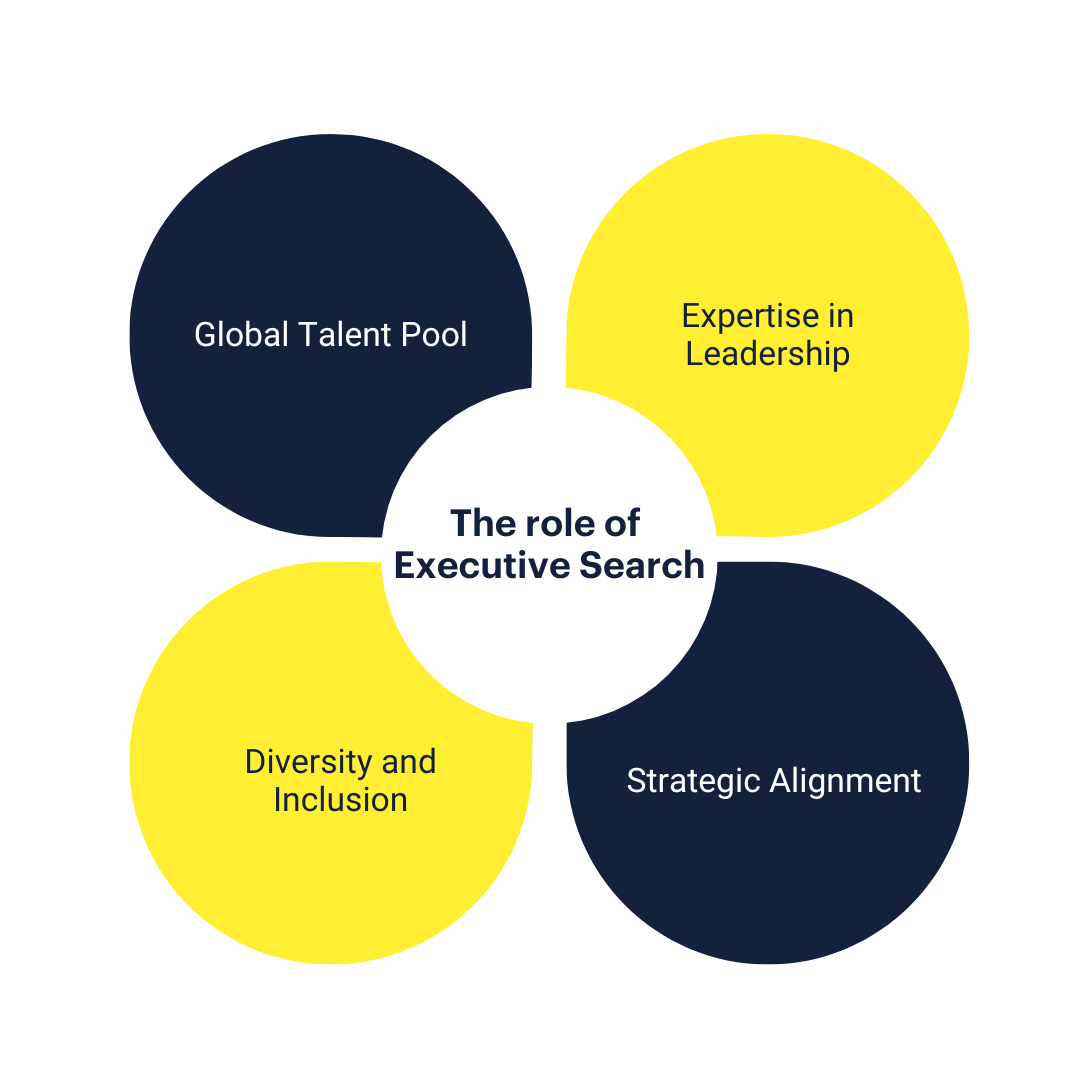
Zavala Civitas executive search: the role of the service in education and nonprofit organisations in Brazil

As education and nonprofit organisations evolve to meet new challenges, strong leadership is the defining factor in their success. Whether driving digital transformation in universities or securing funding for a social impact initiative, the right executive talent makes all the difference.

Click here to contact us.

Frequently Asked Questions: Executive Search in Brazil’s Education and Nonprofit Sectors

Why is the leadership challenge in Brazil’s education and nonprofit sectors specifically different from the corporate sector?
Because the executive profile required must bridge two capability sets that rarely appear together in the same individual: deep sector credibility — the knowledge, relationships, and values alignment that makes a leader trustworthy to the institutions they lead — and commercial governance capability, including financial sustainability management, corporate partnership structuring, and stakeholder accountability. The education or nonprofit leader who has only the mission credentials is trusted but cannot scale. The one who has only the commercial credentials is effective but not trusted. Executive search must find the bridge profile.
What does Brazil’s 44% online enrolment growth demand specifically from education leadership?
Change management capability above digital fluency. The universities and schools that successfully scaled digital learning did not succeed because they had better technology. They succeeded because they had leaders who could manage faculty resistance, quality assurance challenges, student experience gaps, and financial model transformation simultaneously. Executive search assessing those change management capabilities alongside digital knowledge is the search that produces a leader who can sustain that growth trajectory.
Why does the doubling of Brazil’s nonprofit sector over two decades create a leadership problem rather than just a capacity opportunity?
Because the sector grew in volume without proportional growth in leadership infrastructure. Most organisations were founded by individuals with deep cause expertise but not trained in the governance, financial management, and stakeholder accountability that scaling requires. The search challenge is not finding leaders who care about the cause — it is finding leaders who care about the cause and can run the organisation at the scale the cause requires. That combination is where the scarcity lies.
How does the 78% CSR engagement by large Brazilian companies specifically create nonprofit executive search demand?
Because corporate CSR partnerships require nonprofit leaders who can speak the corporate accountability language — KPIs, impact measurement, reporting frameworks, partnership governance — while maintaining the mission credibility that makes them trustworthy to their beneficiary communities. The nonprofit CEO who can negotiate, structure, and deliver a corporate partnership programme, and can report outcomes in the language that a corporate CSR committee requires, is the specific profile that the 78% CSR engagement statistic creates demand for.
How does Zavala Civitas approach executive search in Brazil’s education and nonprofit sectors?
Through sector-specific talent mapping that assesses mission literacy and commercial governance capability simultaneously — not treating them as alternative qualities but as jointly required capabilities in the same profile. We assess digital transformation change management alongside EdTech knowledge. We assess financial sustainability expertise alongside fundraising credentials. We access both domestic Brazilian education and nonprofit leaders and internationally located Brazilians who bring global best practices in digital learning and impact measurement. From our São Paulo office, with a 92% closing rate.

Finding visionary leaders for education or nonprofit organisations in Brazil?

Zavala Civitas connects education and nonprofit organisations in Brazil with executives who bridge mission credibility and commercial governance capability. 92% closing rate.

Executive Search →
Education & Nonprofit →
Contact Us →

Executive Search in Portugal for Education and Non-Profit

Portugal’s non-profit sector runs on a funding model that looks almost nothing like its European neighbours. Own-generated revenue, service fees and membership dues, accounts for 49% of sector funding, government support 40%, and philanthropy just 11%, according to the Diagnóstico das ONG em Portugal 2015-2024 report published by Fundação Calouste

Read More
Education

Executive Search in Canada for Education and Non-Profit

Canada’s non-profit sector is not a niche employer. It is the country’s largest one, employing 2.7 million people, equivalent to 12.7% of the total national labour force, according to Imagine Canada’s People First report on the Canadian non-profit workforce. That scale is running ahead of the sector’s own governance capacity

Read More
middle east in geolopotical crisis and how executive leadership sustains

Executive Leadership in a Middle East Crisis

During the recent escalation across the region, I found myself having a series of conversations with CEOs, investors, and board directors facing the same uncomfortable reality. Despite having more information than ever before, many still felt uncertain about what to do next. What struck me was that the challenge was

Read More

Related posts

Trabajo en remoto en los despachos de abogados

Autora: Beatriz Baker Araujo Senior Advisor, Zavala Civitas El debate sobre el trabajo presencial y remoto en los despachos de abogados lleva años activo, pero no ha madurado. Las posiciones se han endurecido desde 2020, y las conversaciones suelen discurrir entre dos polos: socios que invocan la cultura, el mentoring

Read More

Executive Search China: Industrial Sector

Key Takeaway: Beijing has launched a nationwide “anti-involution” (反内卷) campaign to address destructive price wars and overcapacity across multiple industrial sectors at once, not just renewables. Electrical machinery and equipment, communications equipment, and medical products all show 29% to 34% of firms losing money in 2024-25. Goldman Sachs estimates Chinese

Read More
Financial services building in Germany

Executive Search in Brazil for Financial Services

Key Takeaway: The White House targeted Brazil’s Pix payment system in April 2026, calling it a barrier to US payment companies. Brazil’s Central Bank fired back, defending Pix as a matter of payments sovereignty. At the same time, the collapse of Banco Master, the largest banking fraud in Brazilian history,

Read More
law leaders working

Executive Search in Mexico for Legal and Professional Services

Key Takeaway: Mexico’s 2024 judicial reform introduced popular election of judges and magistrates, with implementation beginning in 2025. This has accelerated a shift toward arbitration as the preferred dispute-resolution method in commercial contracts, as companies seek predictability an elected judiciary cannot yet guarantee. Combined with nearshoring-driven M&A activity and the

Read More

Executive Search in Italy for Industrial

Key Takeaway: Turin’s automotive cluster invested roughly €2.8 billion in electrification between 2024 and 2026. Over the same period, regional automotive employment fell by more than 3,200 positions. Fewer than 20% of local engineering graduates hold the specific battery, power electronics, and embedded software skills employers are actually hiring for.

Read More

Executive Search in Portugal for Financial Services

Key Takeaway: French banking group BPCE is investing €6.4 billion to acquire Novo Banco and building a 20,000 square metre campus in Lisbon, alongside a 2,500-strong tech hub already operating in Porto. This single deal is creating demand for highly specialised roles in risk analytics, structured finance, and digital-asset compliance

Read More