
China’s asset and wealth management market has moved well beyond the reopening narrative that defined the immediate post-pandemic period. The strategic question for financial institutions in 2026 is no longer how to capture a short-term reopening opportunity, but how to build leadership capable of operating in a large, increasingly sophisticated and progressively international financial market.
By the end of 2025, total assets held in China’s asset management products reached RMB 119.9 trillion, increasing 13.1% year on year. This included public funds, bank wealth management products, asset management trusts and products managed by insurers, securities firms, fund managers and other financial institutions.
Source: State Council Information Office, 2026 briefing on monetary and financial policies.
| China Asset & Wealth Management Signal | Leadership Implication |
|---|---|
| RMB 119.9 trillion | Total assets in China’s asset management products at the end of 2025, illustrating the scale of the market. |
| RMB 33.29 trillion | Outstanding bank wealth management market at the end of 2025, up 11.15% from the beginning of the year. |
| 143 million investors | Growing participation increases the importance of product strategy, client segmentation and risk management. |
| US$1tn+ foreign holdings | Foreign holdings of China’s onshore stocks and bonds exceeded US$1 trillion by the end of 2025, reinforcing the need for cross-border leadership capability. |
Executive Search Priorities in China’s Asset and Wealth Management Market
The scale of China’s financial sector creates opportunities for both domestic and international asset and wealth managers, but it also makes executive hiring more specialised.
The strongest candidate is not necessarily the executive with the longest career in financial services. The mandate may require a specific combination of local market experience, regulatory understanding, investment expertise, product development and the ability to communicate effectively with regional or global headquarters.
1. Local Market Knowledge
China’s asset and wealth management ecosystem has its own investor behaviour, distribution channels, regulatory framework and competitive dynamics.
Executives responsible for the Chinese market therefore need more than general experience in Asian financial services. They should understand how products are distributed locally, how different investor segments behave and how decisions are made within Chinese financial institutions.
2. Regulatory and Compliance Expertise
Regulatory knowledge remains particularly important for asset managers, wealth managers and international financial institutions operating in China.
China has progressively opened parts of its financial sector to foreign institutions. Restrictions on foreign ownership in securities, fund management and futures companies were removed in 2020, while current government policy continues to emphasise high-standard financial opening and attracting long-term foreign capital.
Source: State Council of the People’s Republic of China, Foreign Investment Guide.
For Executive Search, regulatory experience should therefore be evaluated against the actual licence, product, investment and operating model of the client rather than treated as a generic financial-services competency.
3. Investment and Product Expertise
China’s bank wealth management market alone reached RMB 33.29 trillion at the end of 2025, up 11.15% from the beginning of the year. The number of investors holding wealth management products increased to 143 million.
A larger investor base creates a greater need for executives capable of understanding product positioning, portfolio construction, distribution and the changing expectations of different customer segments.
For senior product or investment positions, Executive Search should assess not only investment performance but also the candidate’s ability to translate an investment proposition into a scalable product that fits the firm’s commercial strategy and regulatory environment.
4. Risk and Governance
Growth in asset management also increases the importance of risk, governance and accountability.
Senior leaders may need to balance commercial growth with investment controls, regulatory requirements and the governance standards expected by shareholders or international headquarters.
For multinational firms, this can create a dual requirement: an executive must understand what is acceptable and commercially effective in China while remaining aligned with global risk policies and governance frameworks.
5. Language and Cross-Cultural Leadership
For roles involving significant interaction with local clients, regulators or financial institutions, Mandarin and deep familiarity with the Chinese business environment can remain important.
However, multinational organizations often require something more difficult to assess: the ability to explain local realities to international stakeholders and translate global strategy into decisions that make sense inside China.
This type of cross-cultural leadership can be particularly relevant for Country Heads, CEOs, CIOs, investment leaders, distribution executives and senior compliance or risk positions.
China’s Financial Opening Creates a Cross-Border Leadership Challenge
China’s financial opening has increased the interaction between domestic and international capital markets.
By the end of 2025, foreign holdings of Chinese onshore stocks and bonds had exceeded US$1 trillion. China’s external portfolio investment assets, excluding reserves, simultaneously reached almost US$2 trillion.
Sources: State Council, foreign participation in China’s financial markets and State Administration of Foreign Exchange, China’s External Portfolio Investment Assets 2025.
For international asset managers, this creates leadership roles in which local and global responsibilities increasingly overlap.
An executive may need to manage Chinese institutional relationships, local teams and regulatory requirements while also participating in global investment committees, reporting to overseas headquarters and ensuring that the China operation fits the firm’s broader risk and product strategy.
How Executive Search Supports Asset and Wealth Management in China
Executive Search is particularly relevant when a role requires a combination of experience that is unlikely to be found through active applicants alone.
For asset and wealth management assignments, the candidate map may need to include executives from:
- Domestic fund managers and securities firms.
- Bank wealth management companies.
- International asset managers operating in China.
- Private banking and wealth-management businesses.
- Insurance and institutional-investment organizations.
- Fintech and digital-investment platforms where relevant to the mandate.
- Chinese executives currently working in regional or global positions outside the mainland.
The appropriate talent pool depends on the business problem. A Country Head search should not automatically use the same target companies as a CIO, Head of Distribution, Chief Risk Officer or Head of Product assignment.
Executive Search for Multinational Asset Managers in China
Multinational asset managers face an additional challenge when recruiting leadership in China: the strongest local candidate must often operate simultaneously in two organizational environments.
The executive needs enough local authority and credibility to build relationships, respond to regulation and adapt products to the Chinese market, while also being able to work within global investment, compliance and governance frameworks.
This means candidate evaluation should examine:
- Experience reporting to regional or global headquarters.
- Ability to influence stakeholders outside China.
- Knowledge of local regulation and market structure.
- Experience translating global products or strategies into local propositions.
- Investment, product or distribution expertise relevant to the mandate.
- Risk and governance judgment.
- Ability to lead local teams in an international organization.
How Zavala Civitas Approaches Executive Search in China’s Financial Sector
Zavala Civitas has operated in China for more than a decade and currently maintains its APAC head office in Shanghai.
For specialised financial-services assignments, the search begins by defining the business context, responsibilities and critical success factors before identifying the relevant candidate universe.
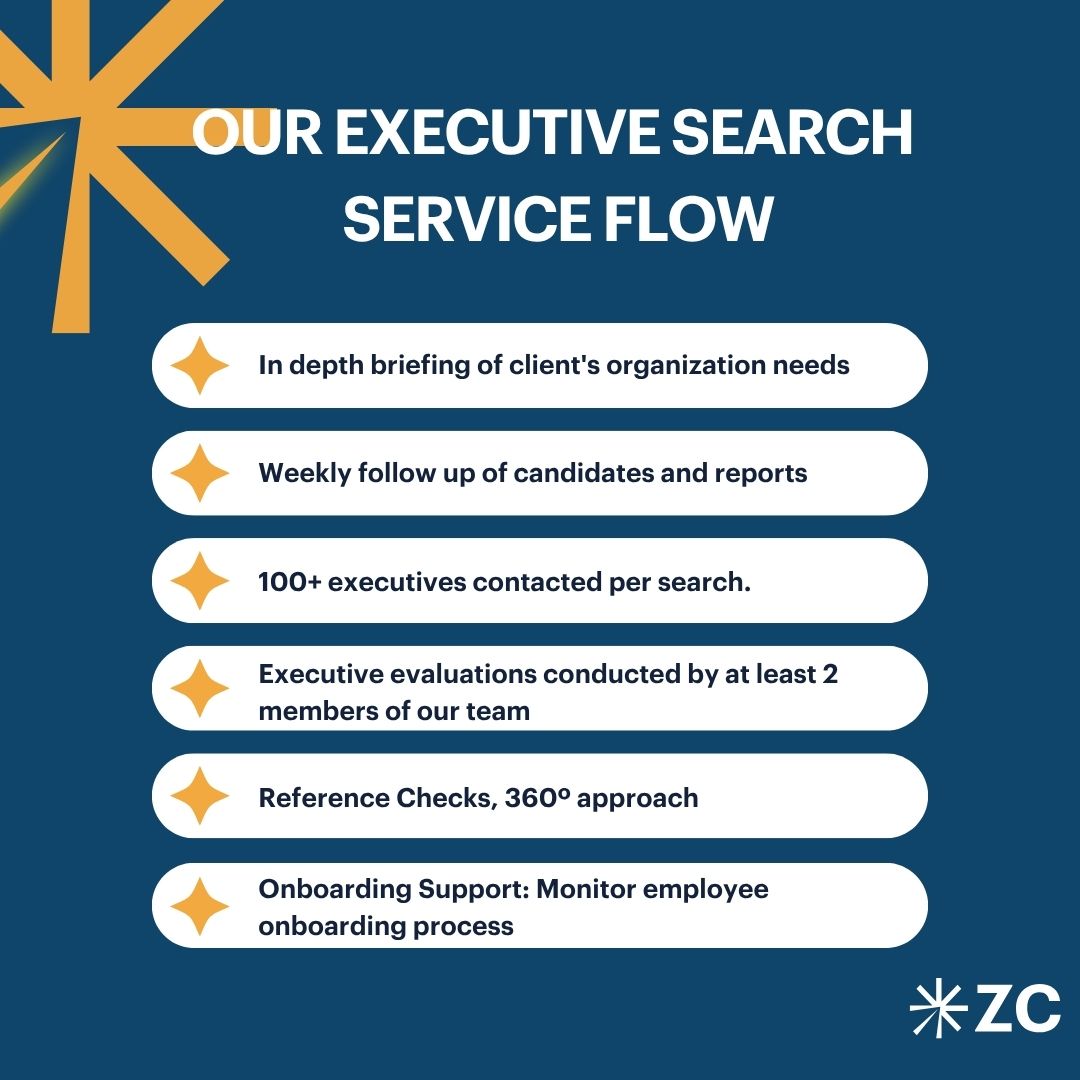
Our Executive Search methodology includes:
- In-depth definition of the mandate and business environment.
- Market mapping across direct competitors and relevant adjacent sectors.
- Direct contact with 100+ executives per search.
- Weekly candidate and market reporting.
- Structured executive evaluation and written assessments.
- 360º professional reference checks and optional psychometric assessment.
- Support during negotiation and onboarding.
- Follow-up during the executive’s first 180 days.
For cross-border financial roles, this process helps evaluate candidates against both the local Chinese mandate and the wider governance expectations of the organization.
Frequently Asked Questions About Executive Search in China’s Asset and Wealth Management Market
How large is China’s asset and wealth management market?
Total assets in China’s asset management products reached RMB 119.9 trillion at the end of 2025. The bank wealth management market alone had RMB 33.29 trillion in outstanding products and 143 million investors.
What executive capabilities are important in China’s asset management sector?
Requirements vary by position, but relevant capabilities can include local market knowledge, investment expertise, product strategy, regulatory understanding, risk management, distribution experience and the ability to operate between Chinese teams and global headquarters.
Can foreign asset managers operate in China?
China has progressively opened its financial sector to foreign participation. Restrictions on foreign ownership in securities, fund management and futures companies were removed in 2020, although firms remain subject to applicable licensing and regulatory requirements.
Why is cross-cultural leadership important for financial executives in China?
Executives in multinational financial institutions often need to manage local regulators, investors and teams while also reporting to regional or global leadership. Strong candidates can translate local market realities into decisions that international stakeholders can understand and support.
How does Zavala Civitas conduct Executive Search in China’s financial sector?
Zavala Civitas begins by defining the mandate and critical success factors before mapping direct competitors and relevant adjacent talent pools. The process includes direct contact with more than 100 executives per search, weekly market reporting, structured assessment, 360º reference checks and onboarding support.
Learn more about our Executive Search methodology or contact us to discuss an asset or wealth management leadership requirement in China.