
Last updated: August 20, 2026
The Chief Human Resources Officer has become increasingly important to companies operating in China. Workforce strategy is being shaped by technological change, evolving employment models, skills requirements, demographic change and increasingly sophisticated regulation around recruitment and employee information.
This means Executive Search for a CHRO should go beyond identifying candidates with extensive HR experience. The role increasingly requires an executive who can translate business strategy into decisions about organisational capability, leadership, workforce structure, development and technology.
For multinational organisations, there is another layer of complexity: the CHRO may also need to connect local China workforce realities with regional or global talent strategies, governance standards and headquarters expectations.
Executive Search for CHROs in China: Why the Role Is Changing
China’s workforce should not be described simply as either abundant or scarce. The overall talent pipeline is extremely large, but availability differs significantly by capability, geography, sector and seniority.
China expects approximately 12.7 million college graduates in 2026. At the same time, organisations in specialist areas continue to compete intensely for particular technical and leadership capabilities.
The workforce structure itself is also changing. A State Council report presented to the National People’s Congress estimated that China has more than 200 million people engaged in flexible employment.
These conditions make workforce architecture increasingly strategic. CHROs need to determine which capabilities should be built internally, which can be sourced externally and how organisations maintain accountability, culture and knowledge across different employment models.
Key Figures at a Glance
| China Workforce Indicator | Latest Data | Source | CHRO Implication |
|---|---|---|---|
| College graduates expected in 2026 | 12.7 million | Ministry of Education | Large talent supply increases the importance of segmentation by skills and future potential rather than volume alone. |
| People engaged in flexible employment | 200 million+ | State Council / NPC | CHROs increasingly need workforce strategies that extend beyond permanent employment structures. |
| Subsidised vocational training opportunities targeted for 2026-2030 | 50 million+ | China Human Resources & Social Security Plan | Capability development and reskilling are becoming structural workforce priorities. |
| AI + HR model application scenarios targeted in 2026 | Around 20 | National Data Administration, 2026 | HR leaders increasingly need to understand how AI can improve workforce decisions while maintaining appropriate governance. |
1. The Right CHRO in China Needs Strategic Workforce Planning Capability
A CHRO should understand where the organisation’s future capabilities will come from.
That requires connecting the business plan with questions about recruitment, internal development, succession, workforce location and external talent.
For example, an organisation expanding into AI-enabled products may need to identify which new capabilities must be recruited externally, which existing employees can be reskilled and which leadership positions need to change as the operating model evolves.
The CHRO therefore needs enough commercial understanding to distinguish a genuine capability gap from a headcount request.
2. Employment Regulation and Employee Data Governance Matter
HR leadership in China also operates within a significant legal and regulatory environment.
A CHRO does not replace specialist employment counsel, but the executive should understand the implications of labour contracts, working arrangements, compensation, employee relations and workforce restructuring sufficiently to identify risks and involve appropriate advisers.
Employee information has become another important area of responsibility. China’s Personal Information Protection Law establishes requirements around the collection, use, storage, transfer and protection of personal information.
For multinational companies, this can require close collaboration between Human Resources, Legal, Cybersecurity and headquarters when employee information is processed across different systems or jurisdictions.
3. CHROs Need to Build Organisational Capability, Not Simply Culture
Culture matters, but it should not be reduced to broad assumptions about Chinese or Western management styles.
A multinational subsidiary, private Chinese technology company, industrial group and state-owned enterprise can have very different decision structures, incentives and leadership environments.
The relevant CHRO capability is therefore organisational diagnosis: understanding which behaviours support the strategy, where accountability is unclear and whether leadership structures allow the organisation to execute effectively.
For multinational organisations, the CHRO may also need to mediate between local expectations and global HR frameworks without assuming that either approach should automatically prevail.
4. Skills Development Is Becoming a Core CHRO Responsibility in China
China’s human resources strategy for 2026-2030 places significant emphasis on workforce capability.
Authorities aim to provide more than 50 million subsidised vocational training opportunities and issue 14 million professional qualification certificates during the period.
Those figures concern China’s wider workforce rather than corporate executives specifically, but they demonstrate the scale of the broader shift towards continuous capability development.
For CHROs, development strategy needs to identify which capabilities are becoming obsolete, which are emerging and which roles should be redesigned rather than simply refilled.
The same principle applies at executive level. Executive Assessment and Leadership Development can help organisations determine whether existing leaders are prepared for future responsibilities or need targeted development.
5. AI Is Changing the CHRO Mandate in China
Artificial intelligence is increasingly entering recruitment, workforce analysis and employment services.
Chinese authorities issued guidance in 2026 supporting applications including intelligent job matching, talent-demand maps, remote recruitment, smart interviews and workforce trend analysis.
For CHROs, AI creates both opportunity and responsibility.
Technology can improve workforce planning, automate repetitive processes and help identify patterns across large amounts of HR information. But senior HR leaders also need to question data quality, bias, privacy, decision accountability and whether automation is genuinely improving workforce outcomes.
What Executive Search Should Assess in a CHRO Candidate in China
The assessment criteria should reflect the specific mandate, but several areas are particularly relevant.
Business and Workforce Strategy
Can the executive translate commercial priorities into a practical workforce strategy rather than treating HR as a parallel function?
Organisational Transformation
Has the candidate personally redesigned structures, clarified accountability, integrated teams or changed the operating model?
Succession and Leadership Development
Can the CHRO identify critical leadership roles, evaluate internal successors and build development pathways before vacancies become urgent?
Data and Technology Judgement
Does the executive understand how technology can improve HR decisions while retaining appropriate controls around employee information and automated decision-making?
Influence with Senior Stakeholders
A CHRO increasingly needs to challenge CEOs, business leaders and boards on organisation and leadership questions while maintaining sufficient credibility to influence the decisions that follow.
How to Executive Search for the Right CHRO in China
The process should begin by defining the business mandate rather than producing a generic CHRO job description.
Relevant questions include:
- What workforce transformation must the CHRO lead?
- Is the priority growth, restructuring, localisation, succession, integration or digitalisation?
- Which capabilities are currently missing from the organisation?
- How much authority will the CHRO have over organisational design and leadership decisions?
- What relationship will the role have with the CEO, board and international headquarters?
The candidate market can then be mapped around evidence of comparable transformation rather than relying only on title, company size or sector.
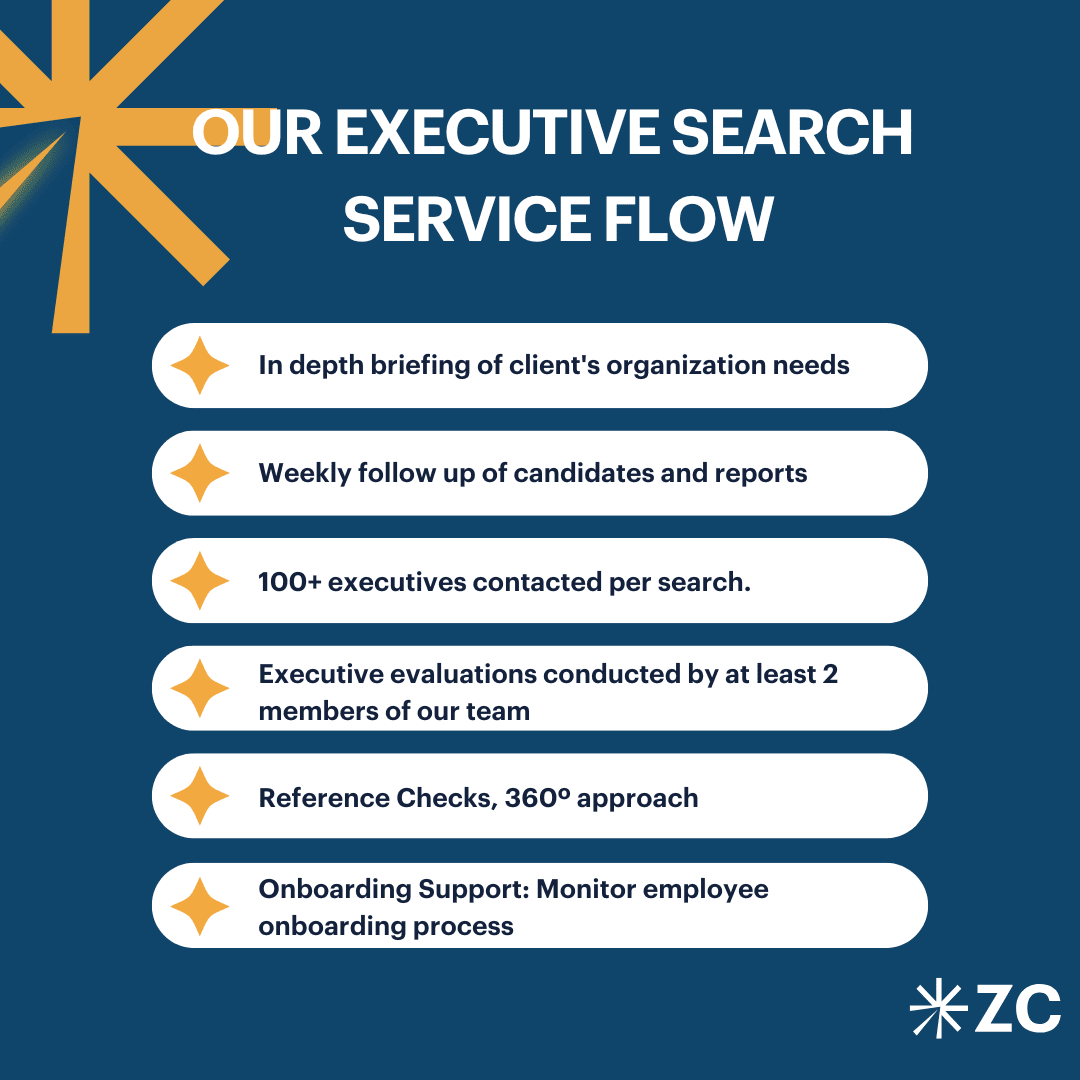
A structured search should combine direct candidate identification, competency-based assessment and references to understand not only where candidates have worked, but what organisational changes they personally led.
Executive Search Services for CHRO Leadership in China
At Zavala Civitas, Executive Search begins with understanding the organisation, the leadership mandate and the critical success factors for the appointment.
For CHRO roles, this means defining which organisational and workforce changes the executive needs to deliver before mapping relevant leadership talent.
Candidates can then be assessed against the actual transformation ahead rather than a generic interpretation of HR experience.
Frequently Asked Questions: CHRO Executive Search in China
The right CHRO does more than manage HR. They build the workforce the strategy requires.
Zavala Civitas supports organisations in identifying and assessing CHROs capable of leading workforce and organisational transformation in China.
Executive Search → Executive Search in China → Contact Us →