As an Executive Search firm, we have specialists in diverse sectors. We in Zavala Civitas specialize in China and its markets, and today we want to share with you an update on the Chinese luxury market.
The luxury market in China has become very important and the numbers that prove it are impressive. In this article, we will see the reality of today’s luxury market in China, the trends that are shaping it and the previsions for the future.
The actuality of the luxury market in China:
Despite mounting social and economic challenges globally, China’s luxury goods market finished 2021 with a strong double-digit growth overall, with some brands exceeding a 70% increase.
We could observe a 48% increase in China’s domestic sales of personal luxury goods in 2020 and a 36% increase in 2021, totaling nearly RMB 471 billion, due to mainland consumption resulting from travel restrictions.
Globally, mainland China’s share of the luxury market grew from about 20% in 2020 to approximately 21% in 2021
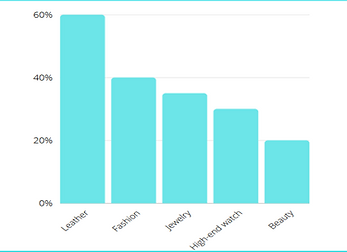
Growth of Luxury Brands by type:
Zavala Civitas, as an Executive Search firm specialized in the Chinese market, has seen reflected in the day to day work major changes in the way companies operate and the priorities they have, and the luxury market is not an exception.
Zavala Civitas as an Executive Search firm specialized in Chinese market has seing reflected in the day to day work mayor changes in the way companies operate and its priorities, and the luxury market is not the exception.
China’s luxury market changes during the covid pandemic:
- The luxury market in China and the luxury market in general went through structural changes that have been coming for some time and became imminent during the pandemic. The structures became more vertical and, with the strengthening of the e-commerce, stores are expected to close or adopt aggressive discount policies.
- Travel restrictions made it necessary to find an effective way of attracting local consumers to buy luxury goods
- Luxury Brands also had to get creative for replacing the live shows and direct relationship building with the clients, very common in luxury brands. This makes them look for partners in new places that help them leverage in the digital world and look for new ways of reaching clients.
As an executive firm specialist in the Chinese market, we are always aware of this market, especially during the COVID-19 pandemic.
The challenges and changes that the luxury market in China went through during this period helped to reinvigorate China’s economy, which is expected to recover fast and rebound after the pandemic and has brought a new range of profiles when it comes to executive search firm searches.
Future trends expected to shape the luxury market in China
- Growth through offshore duty-free shopping.
In 2021 duty-free sales reach nearly RMB 60 billion, with an increase of 90% in Hainan, one of the pricing disruptors that has affected shopping habits in China.
- More digitalization
In 2021, China’s luxury sales grew faster online by 56% than offline, with a 30% of growth. This has provoked a drastic change in the roles that these companies look for and has increased the competition for certain roles. In these situations, executive search partners have been essential.
- Increased mainland consumption
In 2021, continued repatriation contributed to increased Chinese global luxury purchases, growing by more than 90% (by repatriation we refer to the conversion or exchange of foreign currency into someone’s home currency. In the financial industry, it involves moving money back after someone returns home after living or working abroad).
Other previsions for the future of the luxury market in China:
According to Bain & Company, China is on track to become the largest luxury goods market by 2025.
The Economist Intelligence Unit specialists expect China’s domestic duty-free market to reach 258 billion yuan between 2021 and 2025 with the help of the new governmental policies. These nearly quadruple what they have now.
The luxury market is experiencing a moment of evolution and in the need of new professionals. With the help of the right executive search partner it is easier to get the advantage, especially in China where there is a great competition to find and retain talent.
Digital Marketing specialist is one of the most demanded profiles in luxury brands around the world. When your executive search partner looks for a perfect fit for your company, it considers many factors. These are the most requested specifications:
- Speaks English
- More than 10 years or more of experience
- Having worked with budgets of 7 million or higher
As an executive search firm, we have identified the most demanded profiles in the luxury market and want to share it with you:
- Luxury Brand Manager
- Digital Marketing Specialist
As we can see, the luxury market in China has gone through some important changes and it is a very promising and growing market. If your company is considering entering the luxury Chinese market in China or providing services for luxury companies, we will be glad to be your Executive Search and Consultant partner.
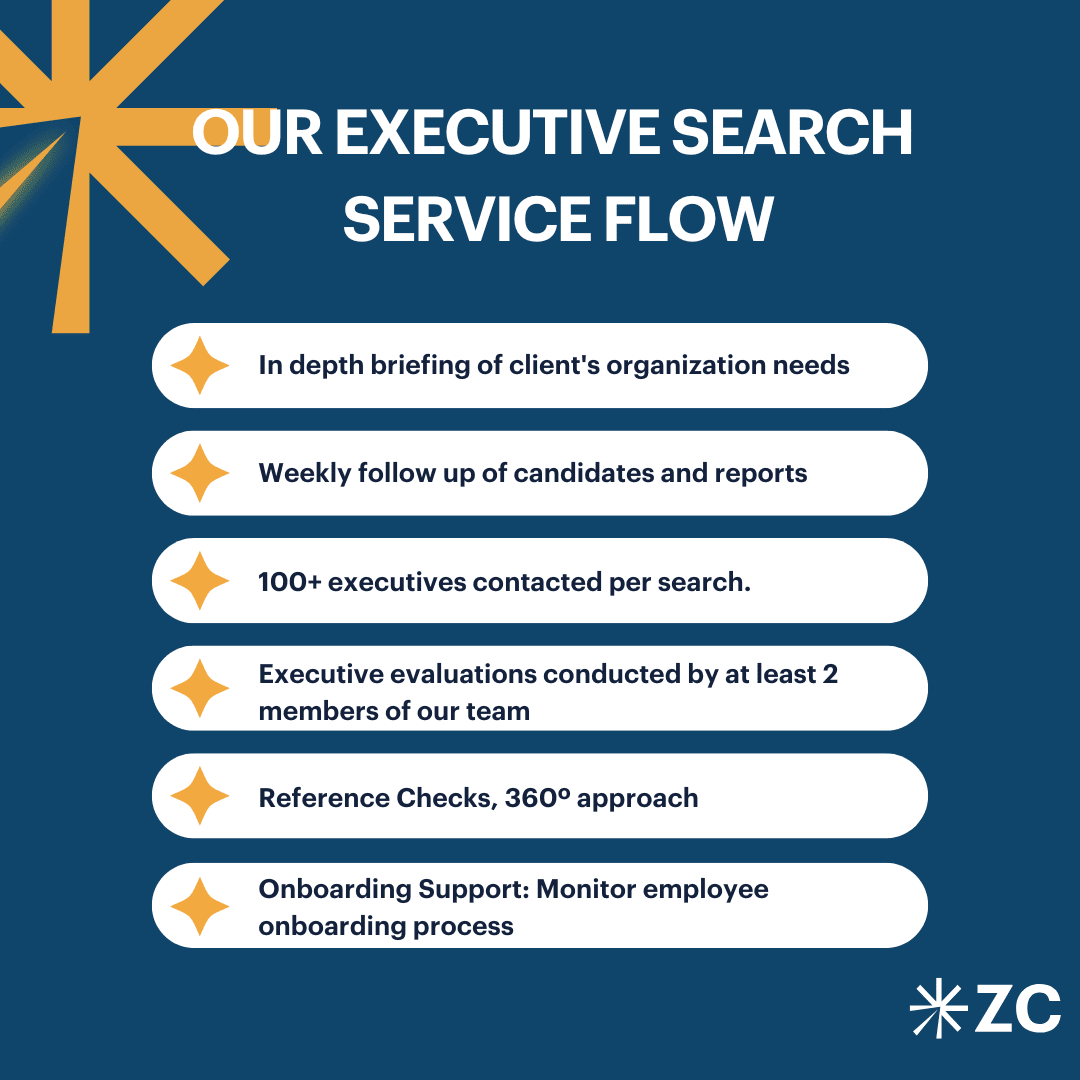
Executive Search Services
We are Zavala Civitas. We have walked alongside our clients supporting them in matters ranging from Executive Search to broader Organizational Consulting. We are ready to be your talented and Organizational partner in China & East Asia. We are ready to tackle new challenges and risks with your firm.