
Brazil’s life sciences and healthcare industry is the largest in Latin America, making up 9.47% of the country’s GDP and totaling an annual expenditure of 1 billion.
The country has more than 214 million citizens which leads to a continuous increase in demand for healthcare services.
However, this demand brings with them numerous challenges which include growing costs, regulatory changes, and digital transformation.
As companies in pharmaceuticals, medical devices, and services try to keep up, the need for strong leadership has never been greater. It’s very important to find executives with experience and vision as they will help companies expand and evolve in this complicated environment. That’s where executive search firms come in.
Key Challenges in Brazil’s Healthcare and Life Sciences Sector
- Rising Healthcare Costs and Industry Pressures
Over the last few years, the cost of this industry in Brazil is higher than before, ultimately having a negative impact on the country’s hospitals, insurers, and service providers. Companies are struggling to find the balance between patient care and related expenses because the ratios are constantly on the rise. This is making things increasingly difficult.
Businesses require skilled executives that can help the company optimize and improve cost management in addition to operational efficiency, while utilizing technology, in order to remain competitive.
- Regulatory Shifts and Compliance Challenges
In 2024, Brazil introduced major regulatory changes impacting pharmaceuticals, medical devices, and healthcare providers. A new legal framework for clinical research was passed, along with incentives for public-private partnerships in life sciences.
This means companies need leaders who understand compliance, market access, and government relations—executives who can ensure their business stays ahead of new regulations while continuing to innovate.
- The Shift to Value-Based Healthcare
Brazil is moving away from a volume-driven model (where providers are paid per service) to a value-based system (where quality and outcomes determine revenue). While this is a step in the right direction, many companies struggle to collect and use data effectively to measure patient outcomes.
Hiring leaders with expertise in data analytics, patient-centric care, and innovative reimbursement models will be key to making this transition successful.
How Executive Search Firms Can Help
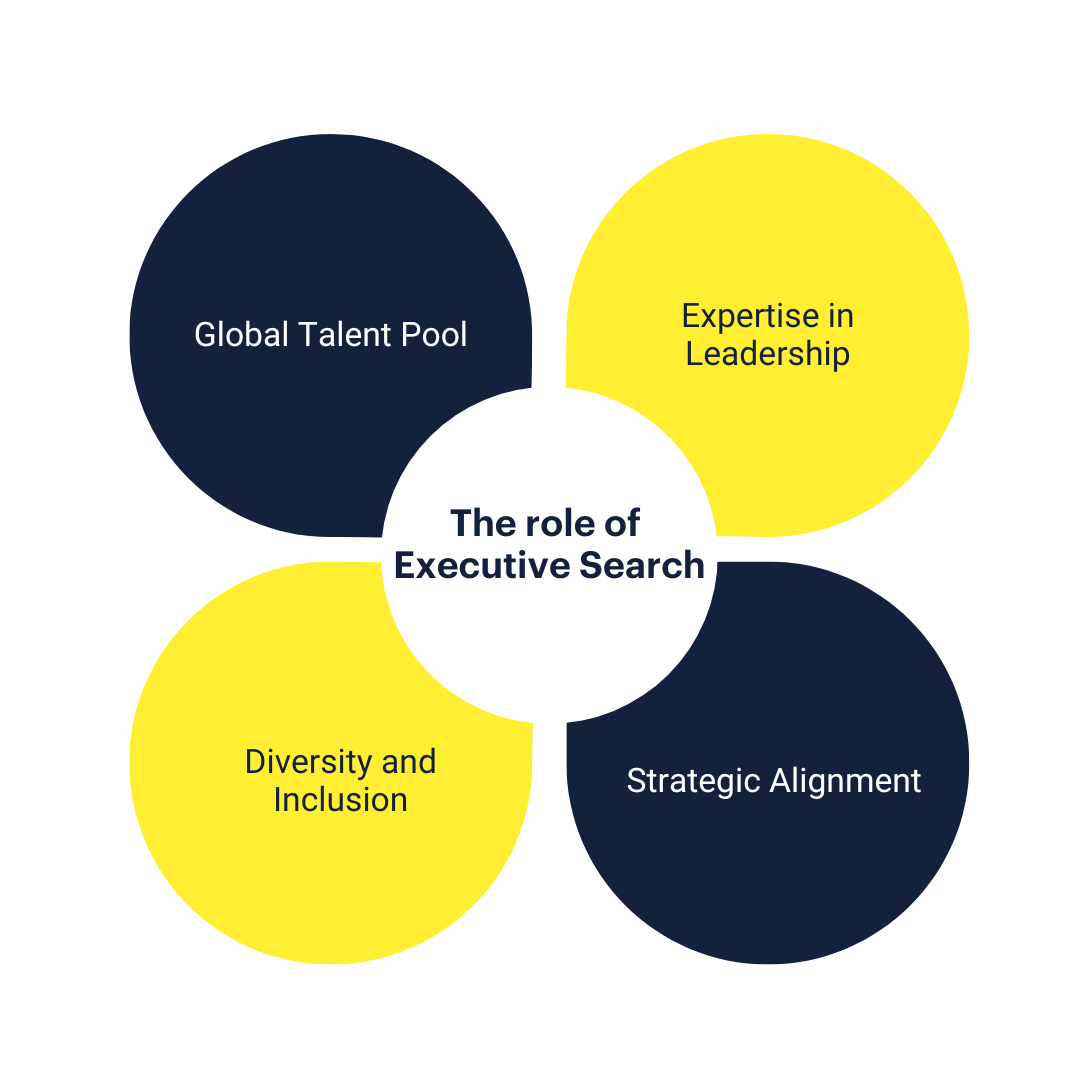
With the industry evolving so quickly, companies can’t afford to take chances on leadership. Executive search firms specialize in finding top talent who can navigate these challenges and bring fresh thinking to the table.
- Sourcing Strategic Leaders
Whether it’s a CEO for a healthcare company, a chief regulatory officer for a pharmaceutical firm, or a digital transformation leader, executive search firms have access to high-level professionals who are ready to take on these roles.
- Cross-Industry Talent Placement
More and more, leaders from technology, finance, and consumer sectors are being hired into healthcare roles. Bringing in executives with a fresh perspective can help drive innovation and efficiency. Search firms can help identify leaders who are adaptable, strategic, and capable of making a real impact.
- Finding the Right Fit for Digital Health and AI
AI and automation are transforming healthcare, from digital patient records to AI-driven diagnostics. Companies need leaders who understand both technology as well as the sector to make these innovations work effectively. Executive search firms can connect businesses with professionals who bridge the gap between medicine and technology.
- Promoting Diversity and Inclusion
Diversity in leadership isn’t just a trend—it’s a proven way to improve business performance. Executive search firms play a key role in helping organizations build diverse leadership teams, ensuring that different perspectives and experiences contribute to strategic decisions.
Key Statistics on Brazil’s Healthcare and Life Sciences Market
- Brazil spends 9.47% of its GDP on healthcare, totaling $161 billion annually.
- Hospital Infrastructure: The country has 7,191 hospitals, 62% of which are private, with 427,097 hospital beds.
- Brazil has 546,000 physicians and 402,000 dentists, highlighting the demand for skilled leadership to manage these professionals.
Brazil’s life sciences and healthcare sector is at a turning point. Companies that embrace innovation, invest in leadership, and adapt to new regulations will stay ahead. Those that don’t may struggle in an increasingly competitive market.
That’s why executive search firms are more important than ever. The right leaders can navigate economic uncertainty, drive digital transformation, and create value-based care models that benefit both patients and businesses.
For companies looking to secure top talent, working with a specialized executive search partner can make all the difference in finding leaders who will shape the future of healthcare in Brazil.