
Last updated: August 20, 2026
China’s Healthcare and Life Sciences sector has evolved significantly as pharmaceuticals, biotechnology, medical devices, digital health and healthcare services become increasingly connected with technology. Innovation is no longer limited to developing new drugs or medical devices. It also affects how products are researched, regulated, distributed, monitored and delivered to patients.
As technology becomes more deeply integrated into Healthcare and Life Sciences, executive search must broaden its assessment beyond traditional medical or scientific credentials. Senior leaders increasingly need to understand how regulation, technology, commercial strategy and organisational capabilities interact.
Healthcare and Life Sciences in China in 2026
China operates one of the world’s largest healthcare systems. At the end of 2025, the country had 1.107 million medical and health institutions, including approximately 38,000 hospitals. The system employed 13.40 million medical technical personnel and recorded 10.58 billion medical visits during the year.
Healthcare demand has also increased over the longer term. China’s per-capita healthcare expenditure reached RMB 2,573 in 2025, 39.6% above the 2020 level. This combination of scale, demand and technological development creates a complex environment for companies operating across pharmaceuticals, biotechnology, medical devices and healthcare services.
Key Figures at a Glance
| Data point | Finding | Source |
|---|---|---|
| Medical and health institutions in China, end 2025 | 1.107 million | National Bureau of Statistics of China |
| Medical technical personnel, end 2025 | 13.40 million | National Bureau of Statistics of China |
| Medical-device distributors engaged in online sales | 8,717 in 2018 to 360,000+ | National Medical Products Administration |
| Per-capita healthcare expenditure, 2025 | RMB 2,573, +39.6% vs 2020 | National Bureau of Statistics of China |
What Healthcare Digitalisation Means for Executive Search in China
Technology is also becoming embedded directly into medical products. China’s regulatory authorities identify areas such as AI-powered medical devices, medical robots, high-end imaging equipment and novel biomaterial-based devices as important areas of medical-device innovation.
As these boundaries become less distinct, executive search may need to consider candidates from adjacent talent pools including technology, digital platforms, diagnostics, medical devices, software and data rather than limiting the search to leaders whose entire career has taken place within a traditional healthcare company.
Executive Search Challenges in China’s Healthcare and Life Sciences Sector
The challenge for executive search is therefore not simply to locate scarce medical or scientific expertise. Companies increasingly need executives who combine several types of knowledge that historically may have been distributed across different functions.
Scientific and regulatory capability
- Understanding of pharmaceutical, biotechnology or medical-device development.
- Ability to work effectively with regulatory and quality teams.
- Awareness of clinical, product-safety and whole-lifecycle requirements.
- Judgement around innovation and product-development priorities.
Technology and digital capability
- Understanding of digital healthcare channels and technology-enabled products.
- Ability to evaluate AI, data and software from a business perspective.
- Digital commercialisation and customer-experience capability.
- Technology governance and risk awareness.
Commercial and organisational leadership
- Market access and commercial strategy.
- Ability to lead multidisciplinary teams.
- Financial and capital-allocation judgement.
- Cross-cultural leadership between China and international headquarters.
- Talent development and succession planning.
The Role of Technology Leadership in Healthcare and Life Sciences in China
Healthcare and Life Sciences executives do not need to become technology specialists in every area, but senior leadership increasingly needs enough technological understanding to challenge assumptions, allocate investment and decide how technology should support the business strategy.
This can change the composition of the executive team. Depending on the organisation, technology leadership may sit with the CEO, CTO, CIO, Chief Digital Officer, Chief Data Officer or another functional leader. Executive search should therefore examine not only the individual role being recruited but also how responsibilities are distributed across the wider management team.
Why Regulation and Technology Must Be Assessed Together
The regulatory environment is changing alongside innovation. China’s NMPA has introduced measures supporting innovative drugs and high-end medical devices while strengthening whole-lifecycle regulation, quality management and product safety.
For medical devices specifically, a revised Good Manufacturing Practice comes into effect on November 1, 2026 and integrates updated risk-management and quality-management requirements. This reinforces why technology leadership in Healthcare and Life Sciences cannot be separated from regulatory and operational discipline.
What Should Companies Look for in Healthcare and Life Sciences Leaders in China?
The ideal profile depends on the company’s business model and strategic mandate. Rather than seeking a generic “Healthcare CEO”, executive search should define which combination of science, technology, regulation and commercial leadership will determine success in the particular role.
- Sector and regulatory understanding appropriate to the mandate.
- Ability to lead innovation without compromising compliance or product quality.
- Digital and technology judgement.
- Commercial and market-access experience.
- Leadership of scientific, technical and commercial teams.
- Cross-border communication and stakeholder management.
- Ability to translate complex technical information into strategic decisions.
- Organisational transformation and change-management capability.
Executive search is also based on trust. Consultants need to understand the sector, the company’s strategic objectives and the reasons an executive should consider the opportunity. In highly specialised markets, attracting a candidate can require as much insight as identifying one.
Organisational alignment can become equally important as technology changes existing functions. Companies may need to redefine responsibilities, develop new capabilities or assess whether current leaders are prepared for a broader mandate. Executive Assessment and Leadership Development can complement executive search when the organisation needs to evaluate internal talent alongside external candidates.
Zavala Civitas Executive Search Methodology for Healthcare and Life Sciences in China
For Healthcare and Life Sciences mandates, Zavala Civitas begins by defining the company’s regulatory environment, business model, leadership structure and critical success factors. The market can then be mapped across direct competitors and relevant adjacent sectors when transferable technology, commercial or transformation experience is required.
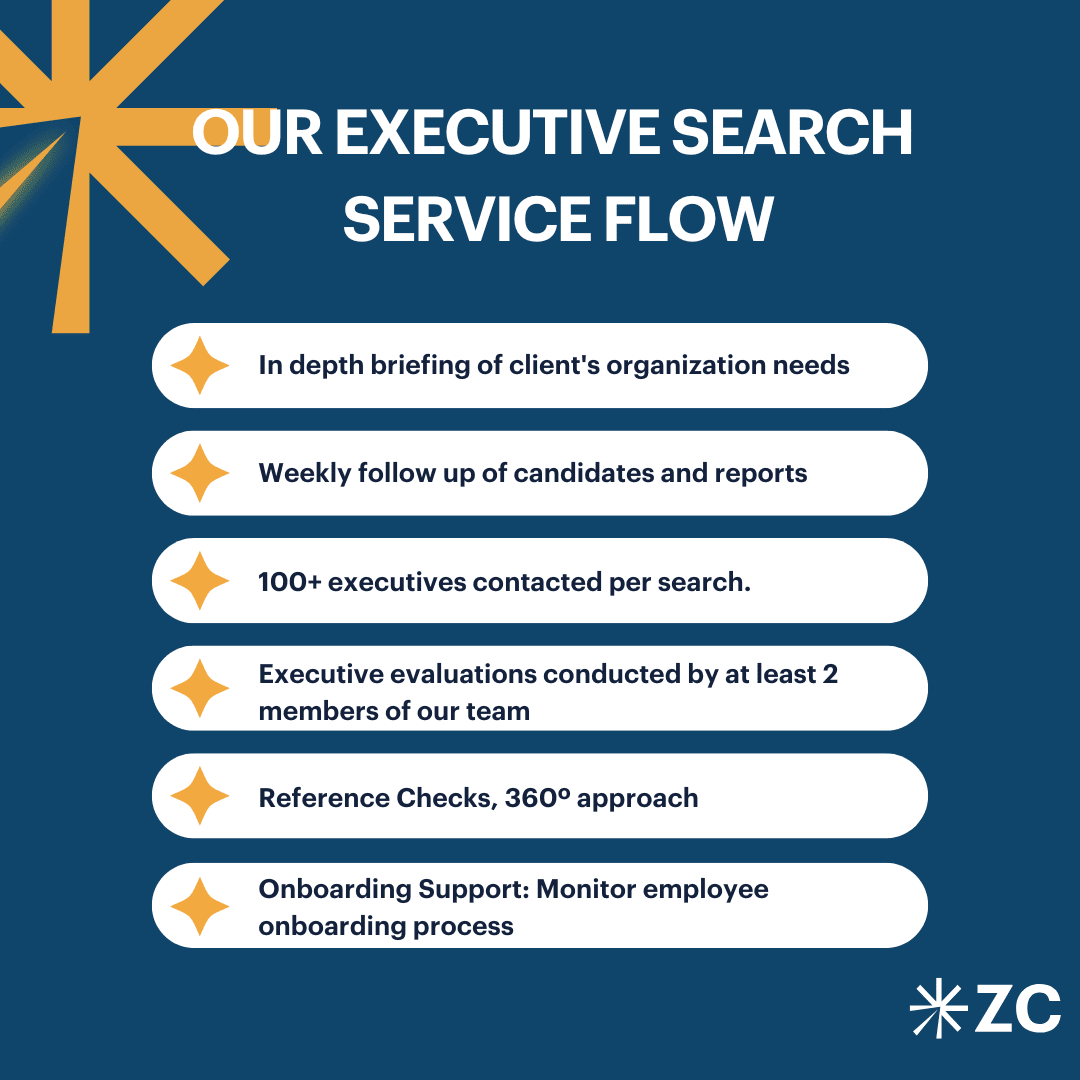
Our Executive Search methodology includes detailed market mapping, direct contact with more than 100 executives per search, candidate assessment by at least two consultants, 360-degree reference checks and onboarding follow-up after appointment.
Zavala Civitas has also completed leadership searches in China’s regulated Life Sciences sector. One recent Beijing mandate involved an Italian Life Sciences group requiring a General Manager / Country Head with local regulatory understanding, cross-functional leadership and the ability to maintain alignment with international headquarters. Read the China Executive Search case study.
Frequently Asked Questions: Healthcare and Life Sciences Executive Search in China
Building Healthcare or Life Sciences leadership in China?
Zavala Civitas helps Healthcare and Life Sciences organisations identify senior leaders who can combine sector expertise, technology judgement, regulatory awareness and commercial execution. 92% executive search closing rate.
Executive Search → Life Sciences → Contact Us →