
Last updated: August 20, 2026
China’s logistics and supply chain sector combines enormous physical scale with increasing operational complexity. E-commerce, cross-border trade, automation, real-time data, sustainability requirements and continuing supply chain disruption have expanded the capabilities expected from senior operations leaders.
This makes Executive Search particularly relevant for logistics and supply chain organisations in China. The challenge is no longer simply to find an executive with experience in transportation, warehousing or procurement. Companies increasingly need leaders capable of connecting those functions into an integrated operating system while balancing service, cost, technology and resilience.
Executive Search in China’s Logistics and Supply Chain Sector
The scale of China’s logistics market creates a substantial leadership challenge. According to the State Post Bureau, China’s express delivery sector processed 198.95 billion parcels in 2025, an increase of 13.6% year-on-year.
At the same time, express delivery revenue reached RMB 1.5 trillion, growing 6.5%. Volume therefore expanded substantially faster than revenue.
E-commerce continues to reinforce this pressure on fulfilment networks. China’s National Bureau of Statistics reported that online retail sales reached RMB 15.9722 trillion in 2025, increasing 8.6%. Online sales of physical goods alone reached RMB 13.0923 trillion and represented 26.1% of total consumer retail sales.
Key Figures at a Glance
| Indicator | 2025 Data | Source | Leadership Implication |
|---|---|---|---|
| Express delivery volume | 198.95 billion parcels, +13.6% | State Post Bureau | Scale increasingly requires leaders capable of managing network capacity, automation and service reliability. |
| Express delivery revenue | RMB 1.5 trillion, +6.5% | State Post Bureau | Revenue growing more slowly than volume increases pressure on efficiency, pricing and operating discipline. |
| Online retail sales | RMB 15.9722 trillion, +8.6% | National Bureau of Statistics | E-commerce continues to increase fulfilment complexity and expectations around delivery speed and visibility. |
| International, Hong Kong, Macao and Taiwan express volume | 4.22 billion parcels, +8.8% | State Post Bureau / Ministry of Transport | Cross-border growth increases the value of executives who understand international networks, customs, risk and multi-market operations. |
Supply Chain Leadership in China: The Skills Market Is Changing
Traditional logistics expertise remains important. Transportation, warehousing, inventory planning, procurement and distribution are still fundamental to the sector.
But the strongest leadership profiles increasingly combine operational experience with capabilities that sit across functions.
Network Optimisation and Operational Efficiency
Senior supply chain leaders need to understand how decisions across sourcing, inventory, warehousing, transportation and final delivery interact. Improving one component in isolation can create costs elsewhere in the network.
The leadership requirement is therefore increasingly system-wide: designing networks that provide the required service level while managing cost, capacity and working capital.
Digitalisation, Data and Artificial Intelligence
Supply chain decision-making is increasingly supported by data from warehouse management systems, transport systems, demand planning platforms and increasingly AI-enabled forecasting and optimisation tools.
This changes the executive profile. Companies may need leaders who can challenge data, understand the operational implications of technology investments and connect digital tools to measurable improvements in inventory, service, productivity or cost.
Our Operations & Supply Chain Management practice therefore considers data analytics and technology alongside traditional operations capability when defining relevant leadership profiles.
Supply Chain Resilience and Contingency Planning
The supply chain disruptions of recent years changed the role of operations leadership. Resilience is no longer simply an emergency response capability.
Executives increasingly need to understand supplier concentration, alternative sourcing, inventory exposure, logistics bottlenecks and business continuity before disruption occurs.
For a multinational operating in China, this can also mean balancing local operational efficiency with the resilience requirements of a broader regional or global supply network.
Cross-Border Supply Chain Management
The State Post Bureau recorded 4.22 billion international, Hong Kong, Macao and Taiwan express parcels in 2025, up 8.8%.
For leadership teams, internationalisation creates additional requirements around customs, multi-country supplier networks, trade lanes, systems integration and coordination between local and global operations.
This is particularly relevant when Chinese companies internationalise their supply chains or when multinational organisations redesign their China operations within a broader Asia-Pacific or global network.
Why Executive Search in China’s Supply Chain Market Requires Proactive Mapping
The strongest supply chain executives are not necessarily active candidates. Many already manage complex networks, operational teams or transformation programmes and may have little reason to respond to conventional recruitment advertising.
Executive Search therefore needs to map the relevant market directly. Depending on the mandate, this can include logistics operators, manufacturers, retailers, e-commerce companies, technology businesses, freight forwarders, 3PL providers and organisations with sophisticated internal supply chain functions.
The target universe should also be defined by the problem being solved rather than by title alone.
A Head of Supply Chain hired to reduce inventory requires different evidence from a leader recruited to internationalise a logistics network. A COO responsible for integrating an acquisition needs different experience from an executive implementing warehouse automation or restructuring procurement.
Executive Assessment for Logistics and Supply Chain Leaders in China
Technical experience is necessary, but senior supply chain appointments also require assessment of how an executive makes decisions under uncertainty.
Relevant evidence can include:
- the scale and complexity of networks previously managed;
- examples of measurable operational improvement;
- experience managing disruption and contingency planning;
- ability to use data and technology in operational decisions;
- cross-functional influence across procurement, finance, technology and commercial teams;
- experience working across China and international supply chains;
- and the ability to build teams and accountability as operations scale.
This approach helps distinguish executives who have worked inside sophisticated supply chains from those who have actually improved or transformed them.
Executive Search Services for Logistics and Supply Chain in China
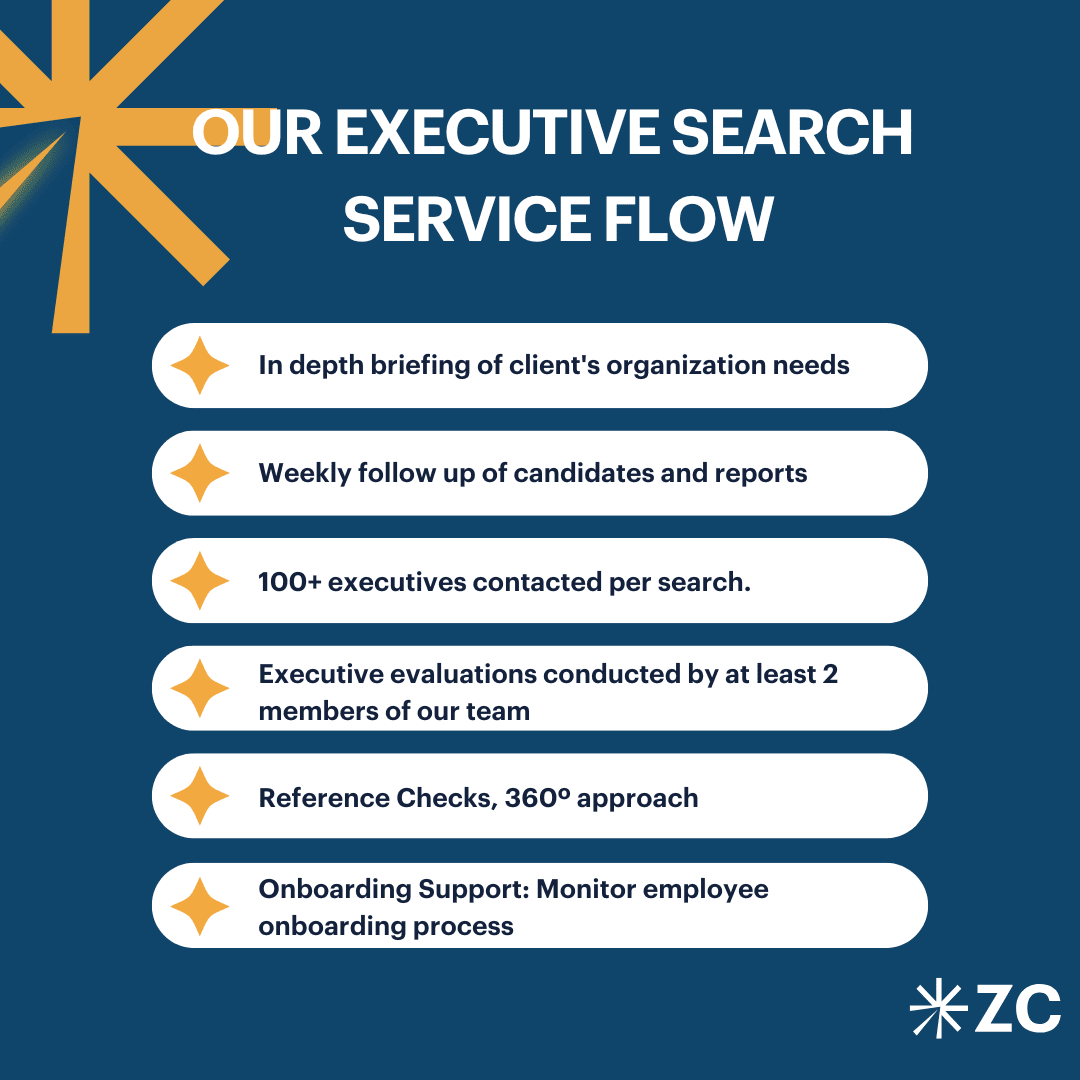
At Zavala Civitas, Executive Search for logistics and supply chain roles begins by defining the operational challenge behind the appointment.
Our published Operations & Supply Chain Management work reflects the breadth of these mandates, including international operations, logistics, sustainability, data analytics and contingency planning.
The search process then combines market mapping, direct candidate identification, structured executive assessment and reference validation to determine which executives have evidence of solving a comparable operational problem.
Frequently Asked Questions: Logistics and Supply Chain Executive Search in China
China’s supply chains are becoming more complex. Leadership needs to evolve with them.
Zavala Civitas supports organisations in identifying and assessing senior operations and supply chain leaders for complex mandates in China.
Executive Search → Operations & Supply Chain → Contact Us →