
Aristotle
Anger is a strong emotion, it can fuel great achievements if focus well, but if not it that can hinder relationships and executive reputation beyond repair.
Poor anger management can cause:
- Impaired decision-making
- Damaged relationships
- Negative work environment
- Reduced team morale
- Hindered collaboration
- Decreased productivity
- Increased employee turnover
- Impulsive actions
- Communication breakdown
- Erosion of trust
It is good to remember that leadership development is a journey of growth and continuous improvement. In this article we will explore how anger impacts leadership understand its causes and delve into strategies for optimizing intelligence to effectively manage anger.
What are the signs that you might struggle and need leadership development skills:
1. Communication Breakdown: A leader with poor anger management may struggle to communicate effectively with their team. Frequent outbursts and aggressive behavior harms work relationships and with it communication channels with employees.
2. Low Employee Morale: Constant displays of anger can demotivate and dishearten team members. They may become fearful of expressing their ideas or concerns, leading to decreased employee engagement and morale.
3. Decision-Making Challenges: When anger clouds judgment, a leader may make impulsive decisions without considering all the facts.
4. Conflict and Turnover: Poorly managed anger can lead to unresolved conflicts and interpersonal issues within the team. It may also contribute to high employee turnover as team members seek a healthier work environment.
5. Damaged Relationships: Relationships with colleagues, superiors, and other stakeholders may suffer due to a leader’s inability to control their anger. This can hinder collaboration and cooperation, impacting overall team performance.
6. Stress and Health Issues: Uncontrolled anger can cause significant stress for the leader, leading to potential health problems such as hypertension, anxiety, and burnout.
7. Reduced Productivity: An angry leader may focus more on expressing their emotions than on guiding and supporting their team. This can result in reduced productivity and hinder progress on important projects.
8. Missed Opportunities: Poor anger management can lead to missed opportunities for growth and development. It may prevent the leader from receiving constructive feedback or seeking help to improve their leadership skills.
9. Reputation Damage: Repeated displays of anger can tarnish a leader’s reputation both within the organization and in the industry. It may impact future career prospects and opportunities for advancement.
Anger is an emotion that can cloud thinking and lead to impulsive actions. Research shows that the emotional state of leaders can influence team performance, employee morale and workplace culture. Uncontrolled anger can create an environment, harm relationships and impede collaboration. To be leaders it’s crucial to acknowledge the impact of anger and strive for self-regulation emotionally.
The first step in leading with anger management is recognizing it and understanding what causes it.
Anger often arises from perceiving threats or challenges. Leaders may experience anger due to work pressure, unfulfilled expectations or conflicts within relationships. Identifying triggers that lead to anger is essential, for managing it. Understanding and identifying these triggers can assist leaders in developing strategies to handle situations in a more positive manner
Leadership development for soft skills
Emotional intelligence (EQ) is key in any leadership development path, it plays a role, in the development of leaders. It involves being aware of one’s emotions having empathy for others regulating one’s emotions and possessing social skills. Leaders who possess a level of intelligence are able to identify their own emotions understand the emotions of those, around them and respond in a suitable manner. By nurturing their intelligence leaders can effectively manage their anger. Create an environment at work that is supportive and harmonious.
Techniques to improve emotional intelligence and handle feelings of anger:
1. Employing Cognitive Behavioral Techniques: Leaders can benefit from cognitive behavioral therapy (CBT) techniques that assist in recognizing and reframing thought patterns contributing to anger. For example, our leadership development program helps them by challenging beliefs and adopting positive perspectives so leaders can respond to challenging situations, with composure and clarity.
2. Embracing Mindfulness Practices: Integrating mindfulness practices into routines can boost self-awareness and emotional regulation. Engaging in meditation deep breathing exercises and mindfulness-based stress reduction techniques helps reduce stress levels and promotes well-being.
3. Prioritizing Self Care: Leaders should prioritize self-care activities to maintain balance. Regular physical exercise, rest and quality time spent with loved ones contribute to well-being decreasing the likelihood of anger outbursts.
4. Seeking Professional Support: If difficulties managing anger persist, leaders may need to seek support from leadership management coaches, counselors, or attend anger management classes for strategies and valuable insights.
Leaders frequently encounter demanding situations that can make it challenging to manage their anger effectively. It is important to understand that acknowledging this struggle does not imply weakness but demonstrates a commitment, to intelligence. By embracing the leadership development path, leaders can create a work environment and foster stronger connections within their teams. It is crucial to identify the triggers that may provoke emotions, take a step when necessary, and respond healthily when faced with challenges.
Zavala Civitas Assessment & Leadership development program
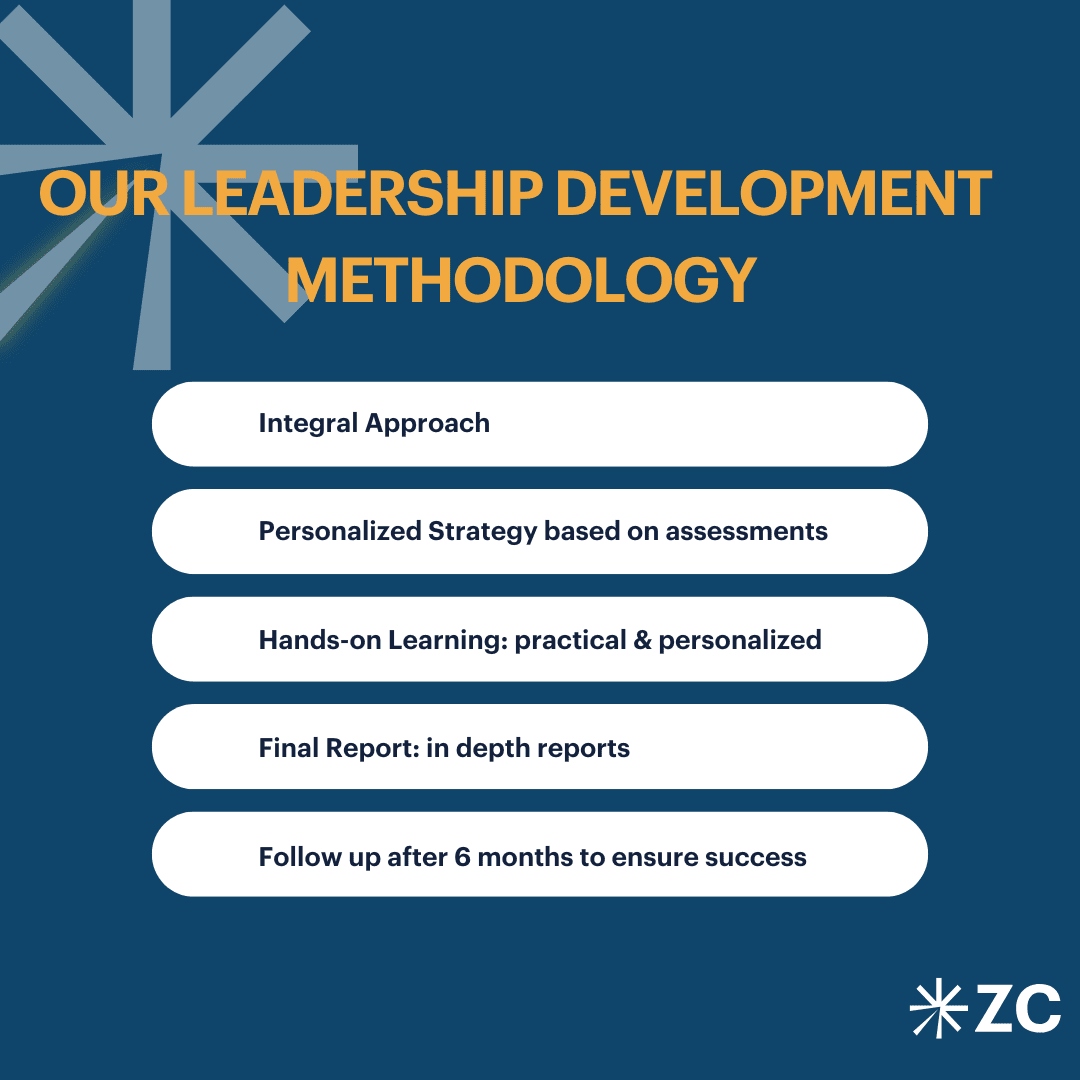
If you or your team are in need of a leadership development program, you can learn more about it here — or book a consultation and contact us directly.